Google is set to launch an experimental satellite on Oct. 1 to test whether its custom AI chips can process simple queries in orbit, a first step in a long-shot plan to build solar-powered data centers in space.
Google to launch orbital AI chip test on Oct. 1
The launch matters because it takes one of the biggest bets in artificial intelligence beyond the ground-based infrastructure race that has driven spending, power demand and regulatory scrutiny across the sector. If Google can prove its tensor processing units work in orbit, it could eventually open a path to compute that taps uninterrupted solar energy and avoids some of the electricity and land constraints now weighing on terrestrial AI buildouts.
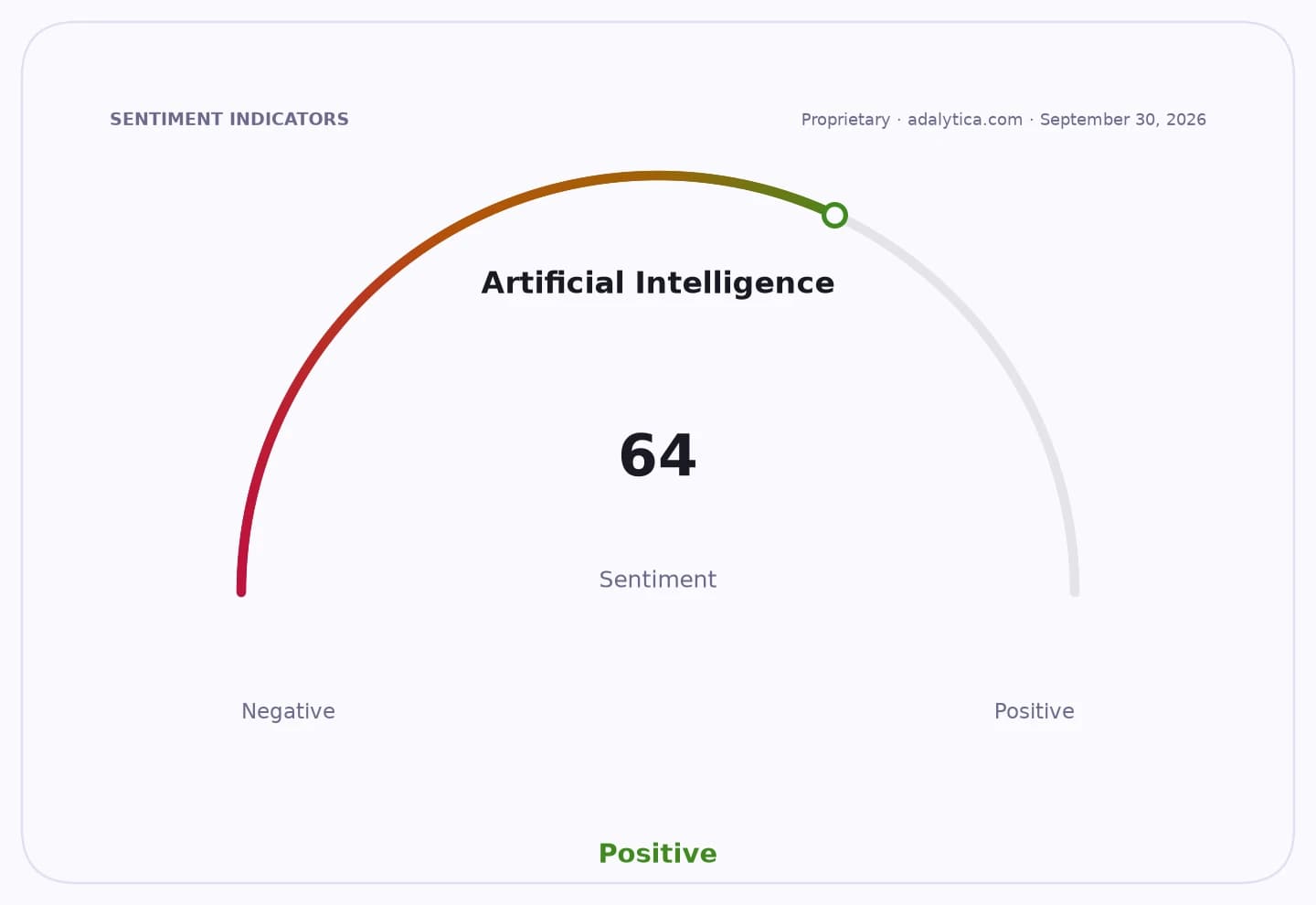
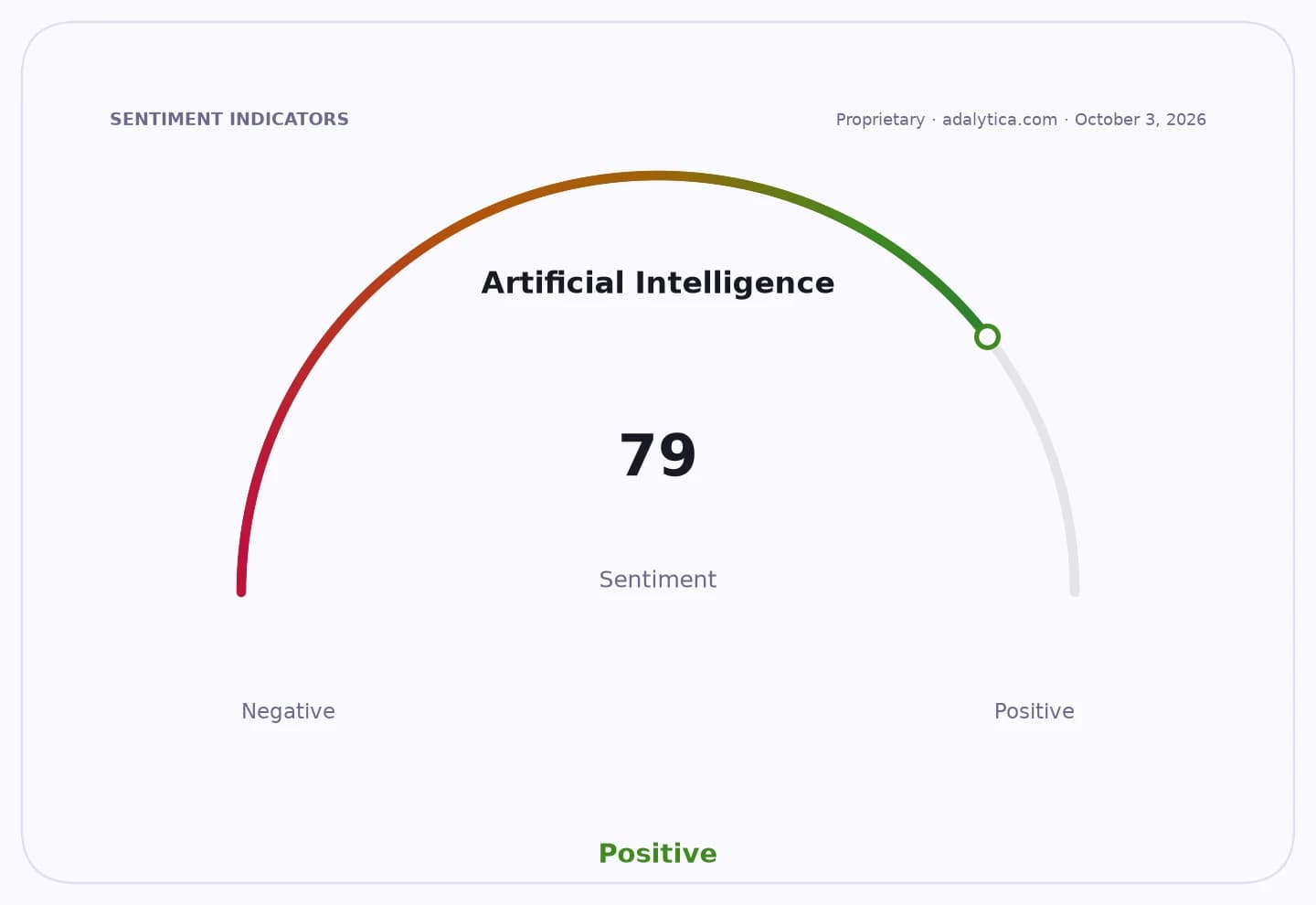
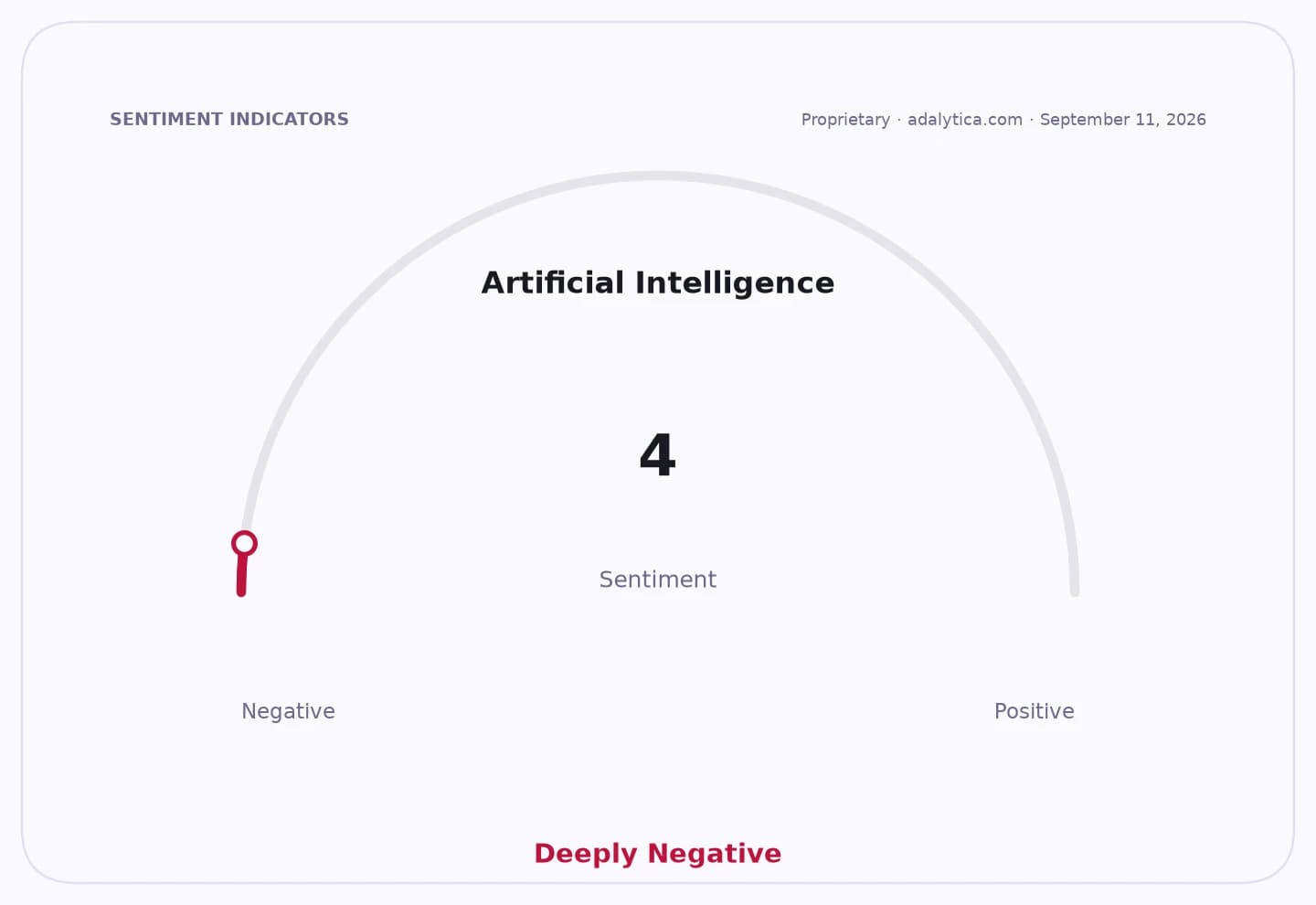
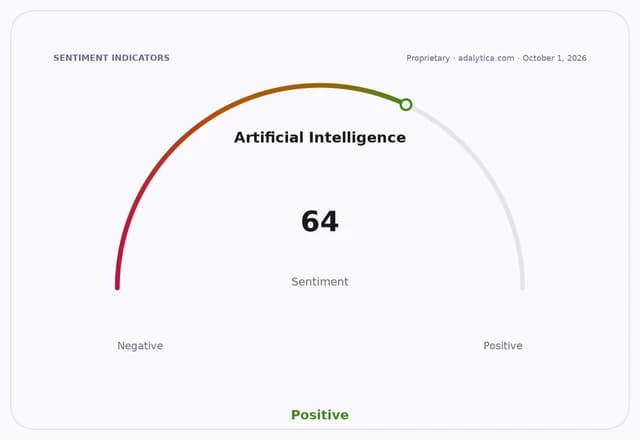
Sentiment IndicatorsⓘProprietary · adalytica.com · October 1, 2026
This is a snapshot — live sentiment, awareness and momentum for 130+ markets update continuously in the dashboard.Open AlphaPulse

The prototype, part of Google’s Project Suncatcher, will fly on SpaceX’s Transporter-18 shared mission aboard a Falcon 9 from Vandenberg Space Force Base in California. Google said the first test satellite is designed to validate its hardware in space, with the eventual goal of hosting machine-learning systems off-planet.
The satellite will carry four TPU chips, giving it roughly the computing power of a single traditional data-center server. Its solar panels will provide about 1 kilowatt of power, roughly the amount used by a hair dryer, according to the New York Times, which viewed the satellite.
The project is still highly experimental and faces major technical and economic hurdles, including radiation exposure and the high cost of putting hardware into orbit. But the concept has drawn support from some of the industry’s best-known names, including Elon Musk, Jeff Bezos and Sam Altman, underscoring how AI infrastructure is expanding from chips and cloud servers into aerospace.
For Alphabet investors, the launch is less about immediate revenue than about signaling how aggressively Google intends to defend its AI infrastructure edge. Alphabet already spends heavily on custom silicon and cloud capacity, and a successful orbital test would reinforce the company’s broader push to control more of the compute stack as AI workloads become more power-intensive and more expensive to serve.
Google’s shares closed at $344.08 on Wednesday, near their 50-day moving average of $343.79 and above the 200-day average of $338.22, while Boeing and Lockheed Martin were both lower into month-end trading. The move also comes as market appetite for AI remains active, though sentiment around the broader S&P 500 has weakened in recent sessions, according to Adalytica’s trade-signal snapshot.
The next catalyst is execution: whether Google can get the satellite into orbit on time and prove its chips function reliably in space, a test that will help determine whether orbital AI remains a moonshot or becomes a plausible new frontier for hyperscale infrastructure.
| Entity | Gains | Losses |
|---|---|---|
| Alphabet / Google | ▲AI infrastructure optionality | ▼Ground-only compute limits |
| SpaceX | ▲Launch revenue, showcase mission | ▼— |
| Traditional data centers | ▲— | ▼Future compute demand if space works |
| Power-constrained AI rivals | ▲— | ▼Competitive edge if Google succeeds |