Alphabet is close to striking a nuclear power supply deal with Constellation Energy worth more than $1 billion, a move that would underline how urgently Big Tech is locking in electricity for artificial intelligence data centers.
Alphabet Nears Nuclear Power Deal With Constellation
The prospective agreement matters because power has become one of the key constraints on AI growth. As Alphabet, Amazon, Microsoft and Meta race to expand data-center capacity, long-term electricity contracts are increasingly shaping who can scale fastest, where facilities get built and how much the next phase of AI will cost. Nuclear power is especially attractive because it offers steady, carbon-free baseload supply at a time when utilities, grids and permitting processes are under strain.
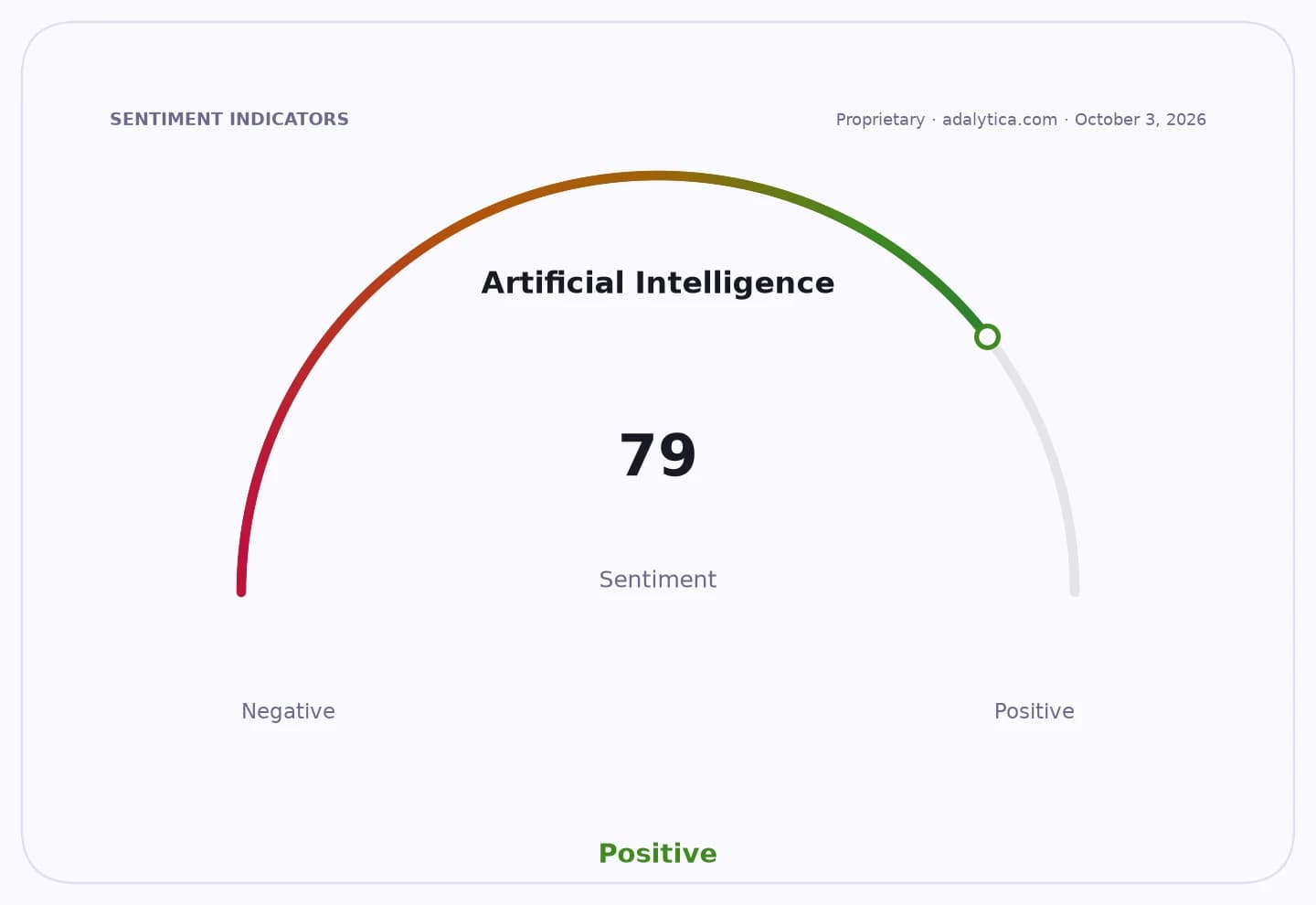
Sentiment IndicatorsⓘProprietary · adalytica.com · October 7, 2026
This is a snapshot — live sentiment, awareness and momentum for 130+ markets update continuously in the dashboard.Open AlphaPulse
Alphabet has already been signaling that the buildout is capital intensive. The company said second-quarter capital spending jumped to $44.9 billion from $22.4 billion a year earlier, while cloud revenue rose 82% to $24.8 billion. A nuclear supply agreement would add another layer of commitment to that spending wave, potentially improving long-term energy security but also locking the company into multi-year obligations that will weigh on free cash flow.
Investors appear to be treating the reported deal as part of a broader AI infrastructure push rather than a one-off utility contract. Alphabet shares rose 1.42% to $254.98 in Tuesday trading, while Constellation jumped 13.03% to $302.48. Alphabet stock has since moved to $344.59 in the latest session, trading above its 50-day and 200-day moving averages, with RSI readings pointing to a rebound in momentum. Constellation’s latest $300.40 close pushed the shares well above their 50-day average and sent the stock back into technically stronger territory after a recent slump.
The reported talks also fit a wider industry pattern. Constellation and Amazon announced a 20-year agreement on Sept. 30 covering 690 megawatts, including an uprate at Calvert Cliffs in Maryland, and Google has already backed efforts to restart NextEra Energy’s Duane Arnold reactor in Iowa. Alphabet has also signed or supported other nuclear-linked arrangements this year, including deals involving Georgia Power and Fortum, suggesting the company is trying to diversify beyond conventional grid power as AI demand accelerates.
For Alphabet, the bull case is that early access to reliable electricity becomes a competitive moat in cloud and AI, especially if rivals face delays in securing power for new data halls. The bear case is that these agreements raise the fixed-cost burden just as the economics of AI are still being proved out. If revenue growth keeps outpacing infrastructure costs, the contracts could look prescient; if not, they will be remembered as another expensive bet in an already capital-hungry race.
The key question now is whether Alphabet confirms the deal and discloses the capacity, location and term. Those details would determine whether this is a modest supply hedge or a strategic commitment large enough to influence margins, data-center expansion and, ultimately, the company’s valuation narrative heading into its next results.
| Entity | Gains | Losses |
|---|---|---|
| Alphabet | ▲Power security for AI | ▼Higher fixed costs |
| Constellation Energy | ▲Multi-year revenue stream | ▼Supply concentration risk |
| Investors in AI winners | ▲Infrastructure visibility | ▼Near-term margin pressure |
| Grid-constrained utilities | ▲Demand for nuclear supply | ▼Pressure from large tech buyers |