Acre being left out of the Central Bank’s regional activity survey is a small detail with a bigger message: one of Brazil’s frontier states remains too underdeveloped, too hard to measure and too economically marginal to factor cleanly into the country’s policy map.
Acre Omission Signals Uneven Brazil Growth
That matters because central banks, investors and companies all rely on those regional snapshots to gauge where growth is broadening, where inflation pressures may be building and where demand is actually showing up. When a state is excluded, it is usually not because it is unimportant in a political sense, but because its economic footprint is too thin for the survey to capture reliably. For investors, that is a reminder that Brazil’s growth story is still uneven, with opportunity concentrated in a few stronger regions while peripheral markets lag behind.
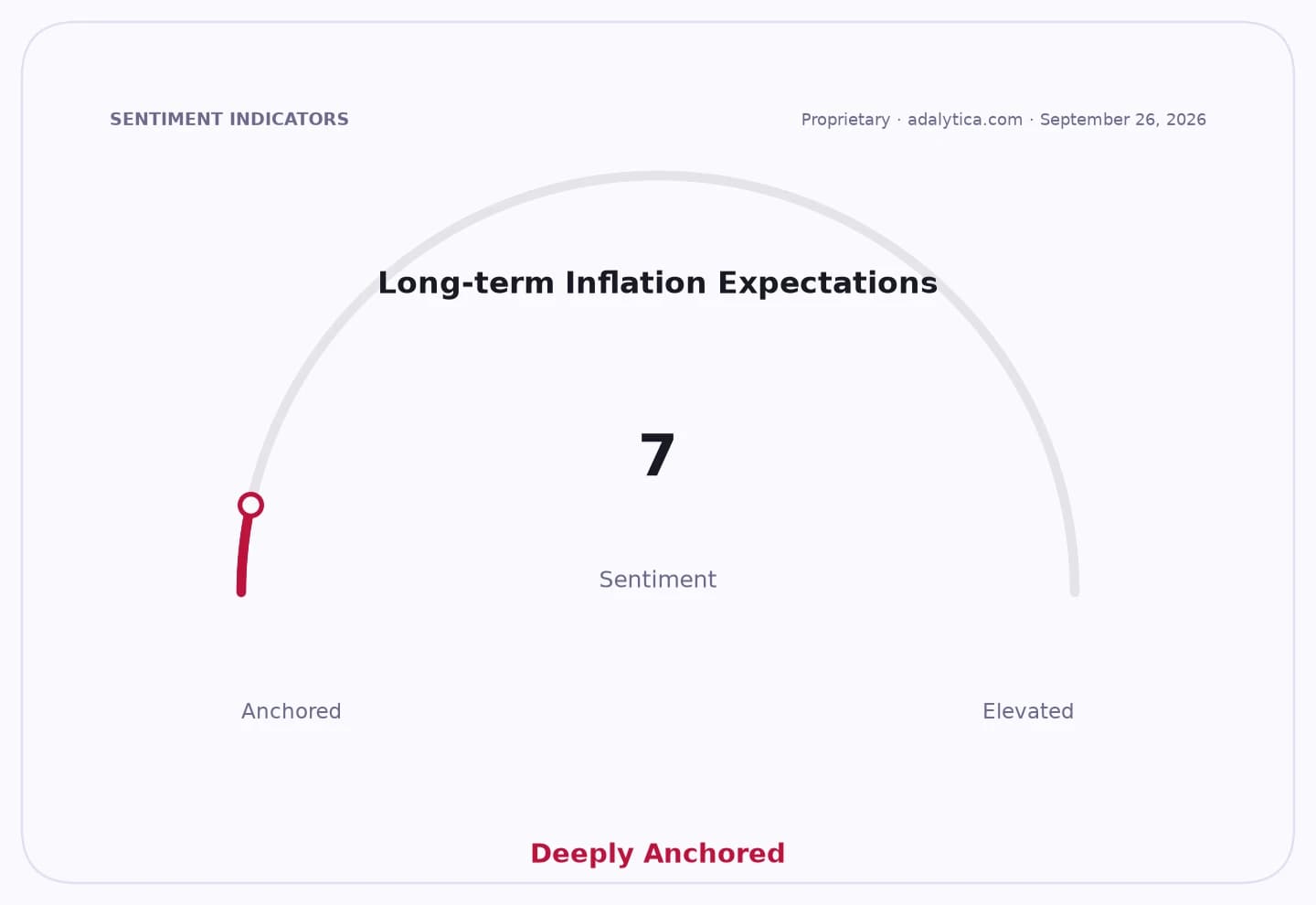
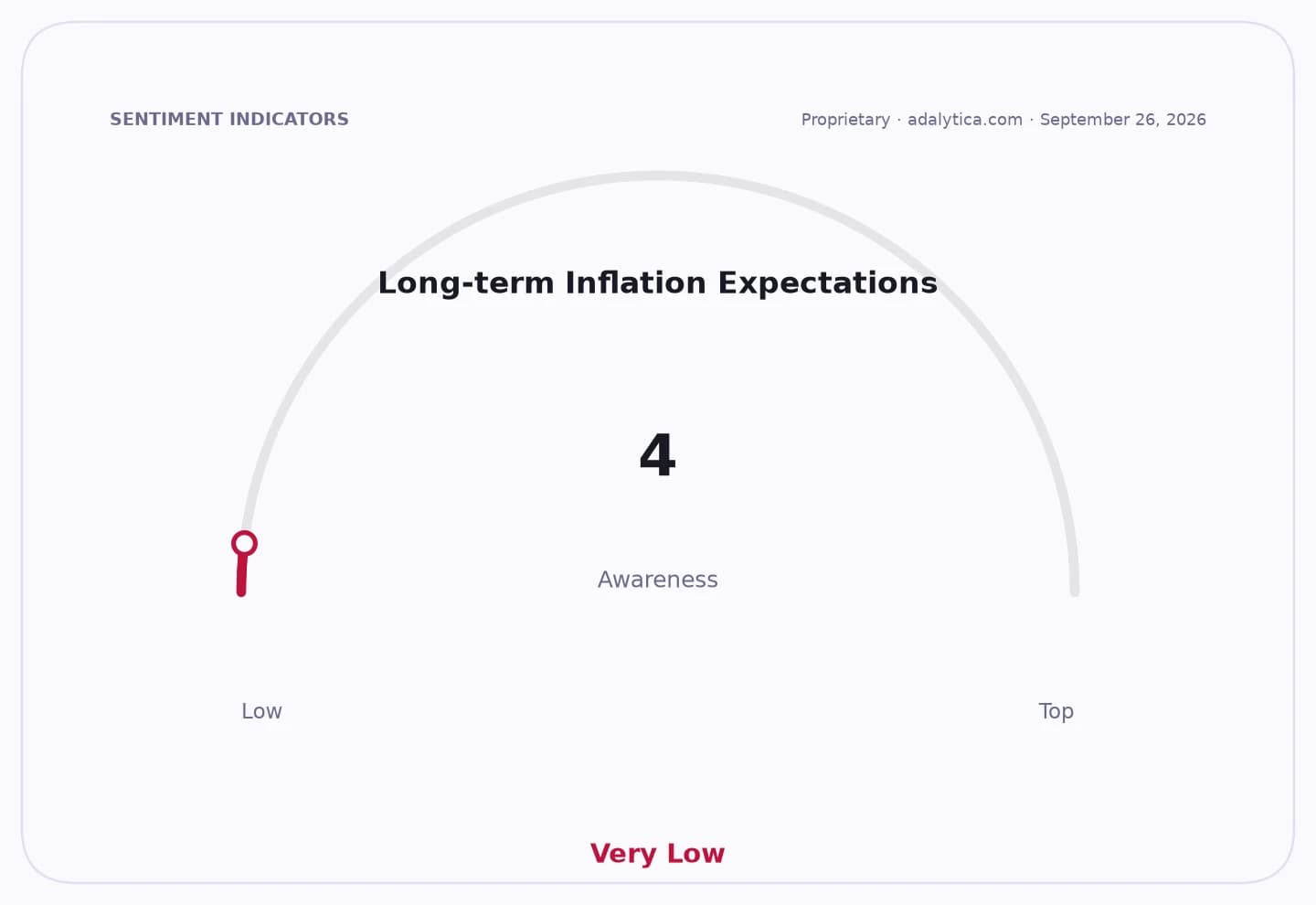
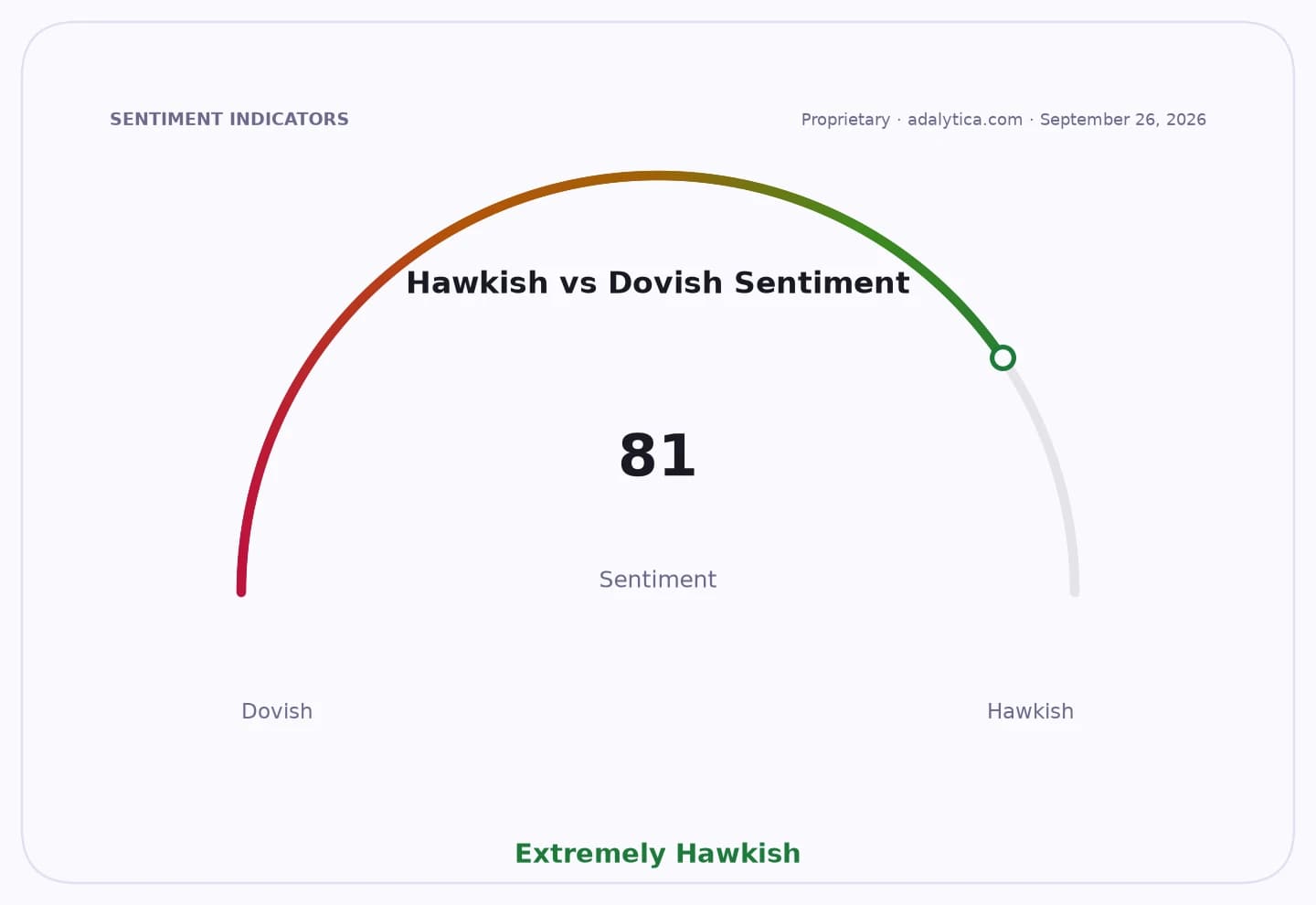
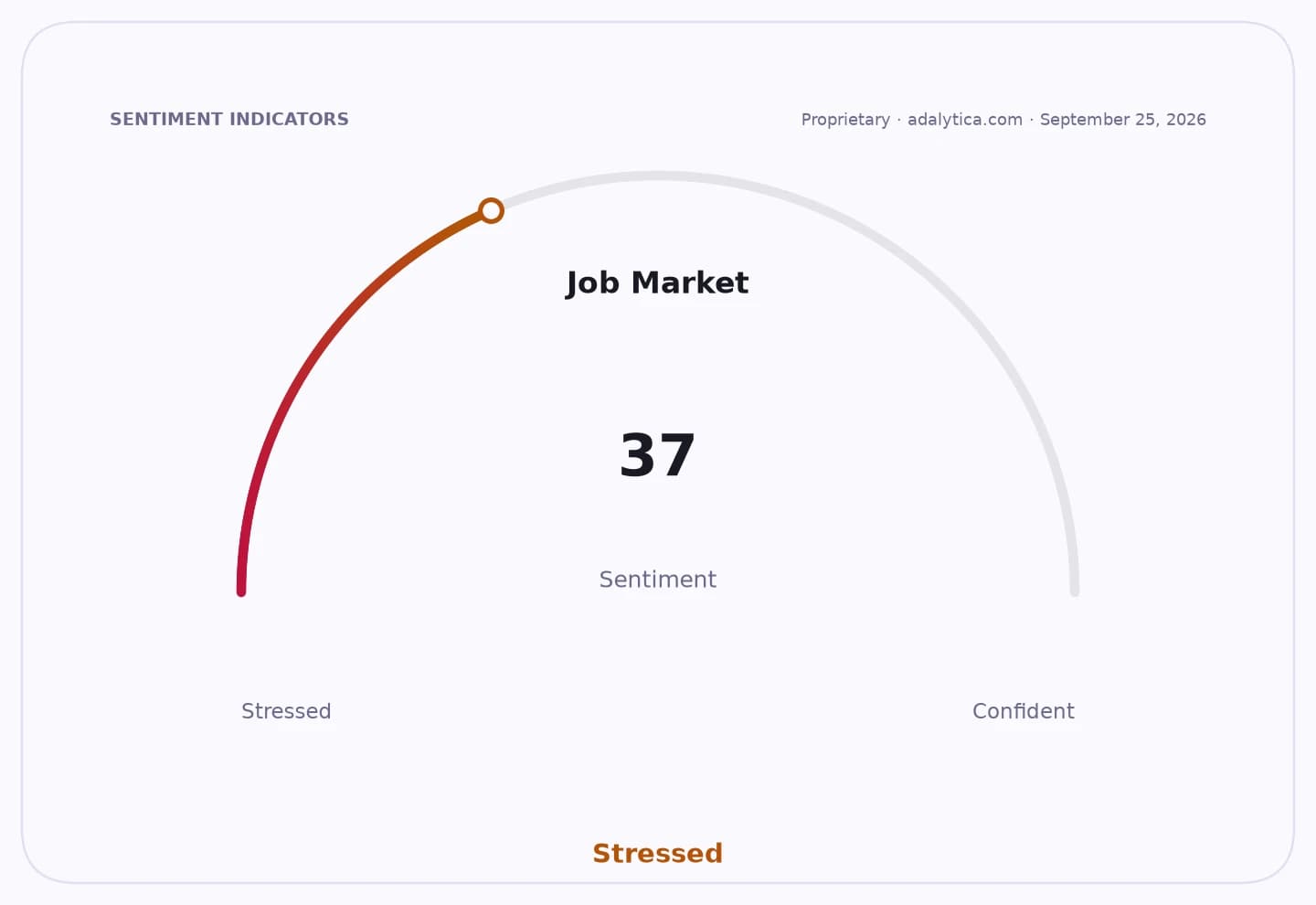
Sentiment IndicatorsⓘProprietary · adalytica.com · July 25, 2026
This is a snapshot — live sentiment, awareness and momentum for 130+ markets update continuously in the dashboard.Open AlphaPulse
The economic significance goes beyond a single survey form. A region that does not register cleanly in official activity tracking tends to have weaker infrastructure, smaller formal credit markets and less diversified industry. That can slow private investment and make it harder for businesses to scale outside the main urban and industrial corridors. It also means policymakers may have less timely visibility into how smaller economies are coping with borrowing costs, labor demand and consumer spending.
The broader Brazilian backdrop makes that divide more relevant. Industrial production has been gradually improving, and GDP is still expanding, but the recovery is not evenly distributed. The latest unemployment reading around 4.2% suggests a labor market that remains relatively firm, yet that strength is not automatically shared across every state and municipality. Acre’s omission underscores the reality that national averages can hide local weakness.
Consumer Confidence vs EWZadalytica.com
Explore this data interactively — full history, time series and cross-market comparisons.Open AlphaPulse
For investors, the lesson is not that Acre is a market-moving shock. It is that Brazil’s long-term investable story still depends on whether growth can spread beyond the biggest centers. That affects everything from logistics and retail to banks, utilities and infrastructure operators looking for the next layer of demand. If the economic base remains concentrated, then returns will too.
There is also a practical angle for long-term portfolios. Markets often reward companies and funds that can tap Brazil’s stronger consumption and industrial hubs, while more remote regions remain underpenetrated. That can create a durable edge for businesses with national reach, disciplined capital allocation and strong free cash flow. But it also means investors should be realistic about the pace at which smaller states can contribute to the next leg of growth.
In the near term, Acre’s exclusion from the survey is best read as a structural signal, not a headline risk. Over time, though, it is exactly these quiet data gaps that tell investors where development is still missing—and where the next wave of compounding may take years, not quarters, to arrive.
| Entity | Gains | Losses |
|---|---|---|
| Central Bank | ▲cleaner regional survey data | ▼full national coverage |
| Larger Brazilian states | ▲more weight in policy tracking | ▼less attention if growth weakens |
| National lenders and retailers | ▲easier demand readouts | ▼less insight into frontier markets |
| Acre | ▲little direct gain | ▼visibility and policy relevance |