Decentralized AI networks are trying to turn billions of idle smartphones into a cheaper, lower-footprint alternative to centralized data centers just as the AI boom runs into a hard economic constraint: the cost of building and powering the infrastructure.
Acurast and Phase Push Smartphone AI Compute
That pitch is drawing attention because the numbers behind traditional AI compute are getting harder to ignore. One gigawatt AI data center can cost about $38 billion to build, while campaigns against the sector are intensifying over energy and water use. Against that backdrop, projects such as Acurast and Phase are arguing that the compute sitting in ordinary phones could shoulder some AI inference and agent-hosting tasks without the capex burden of hyperscale facilities.
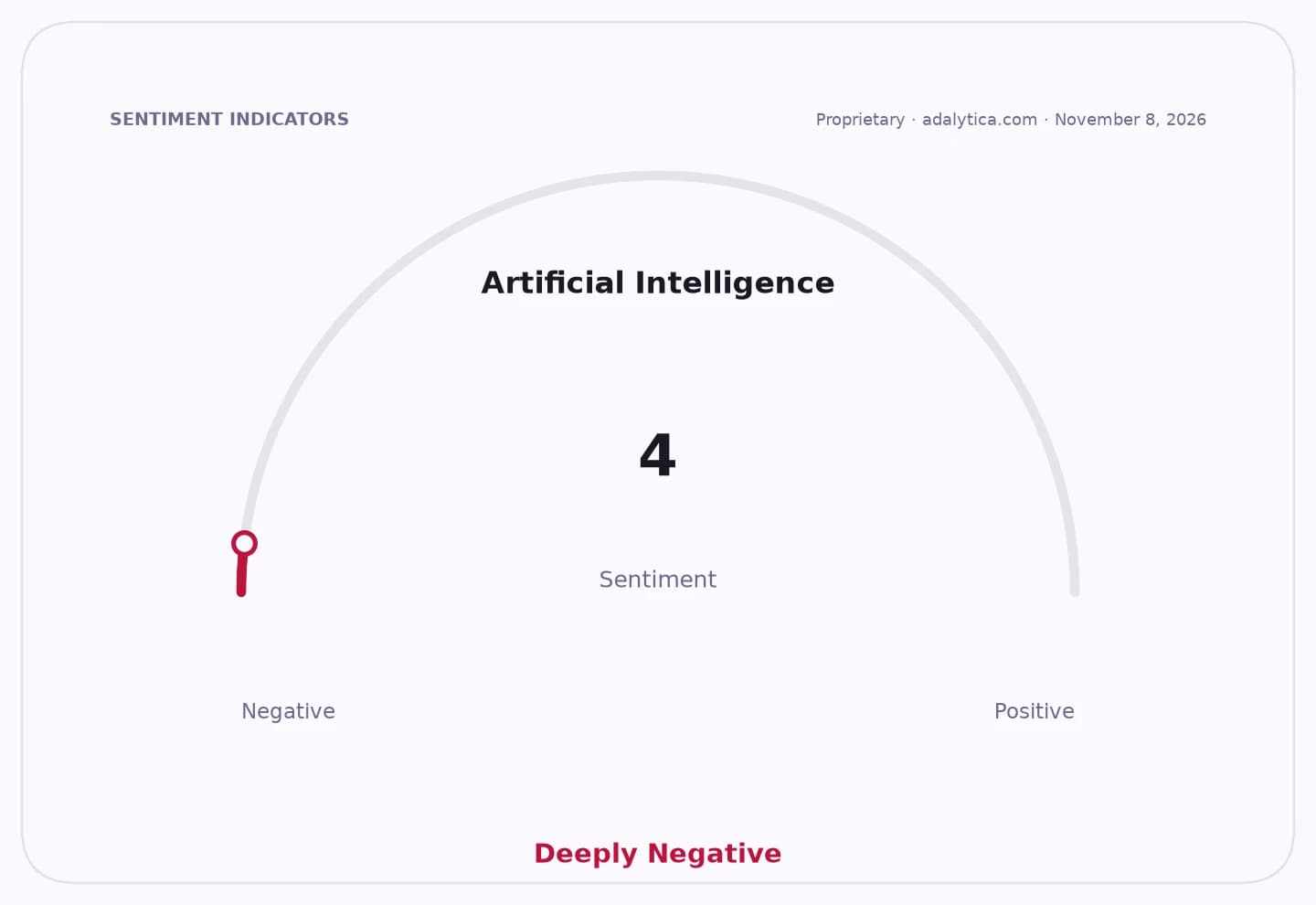
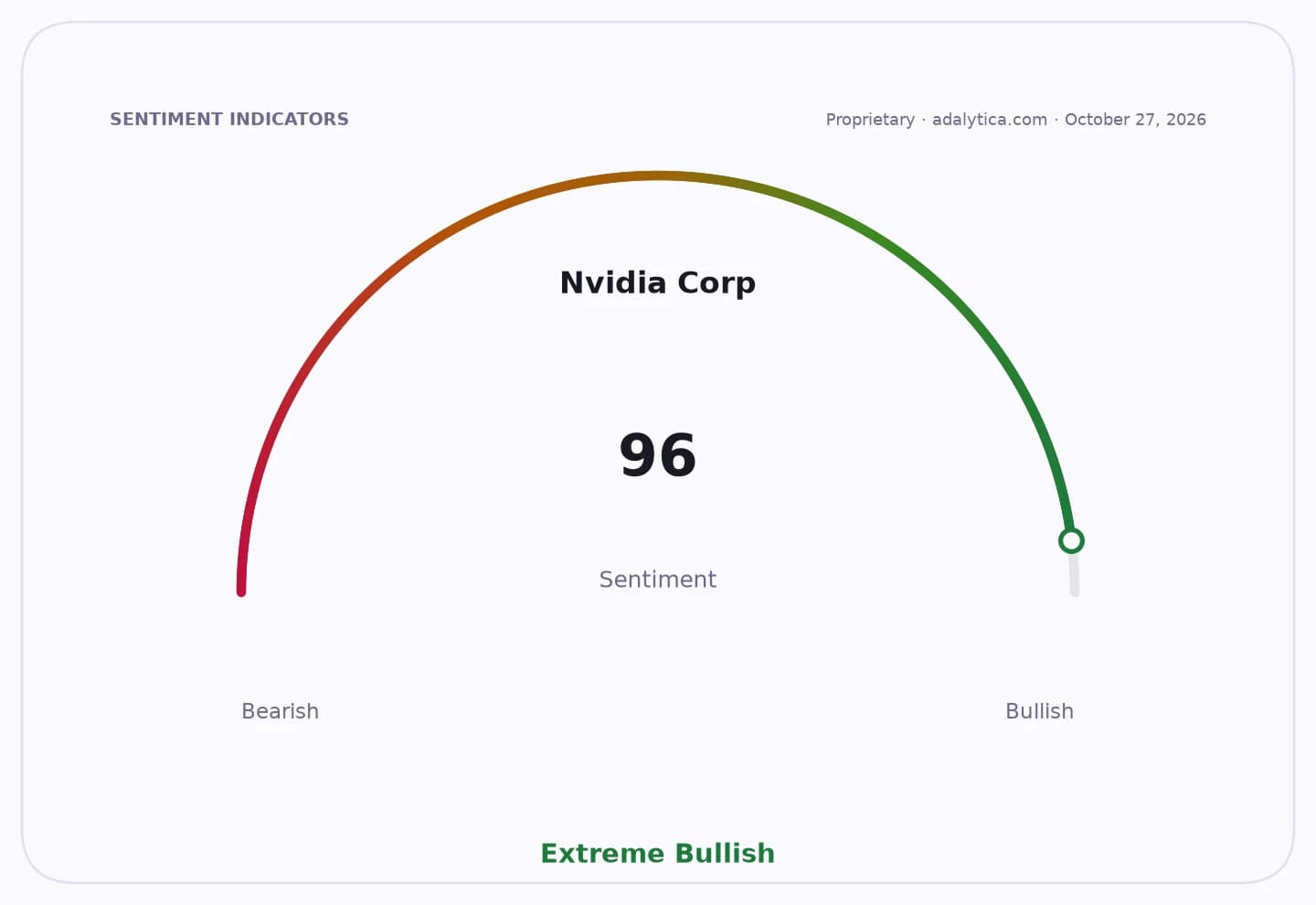
Sentiment Indicators
Acurast says it has onboarded more than 335,000 smartphones, with about 40,000 active on an average day. Co-founder Alessandro De Carli says that pool of active devices matches the compute capacity of roughly 2,340 high-end data-center servers, at least on the workloads the network is designed to handle. Phase, meanwhile, is building infrastructure to let smartphone owners supply connectivity and blockchain validation for AI agents, charging 0.5 USDT per 1,000 requests and 1GB of traffic.
The economic case matters because AI demand is increasingly colliding with a shortage of affordable, scalable compute. If decentralized networks can reliably route simpler jobs to phones and reserve heavier workloads for OpenAI or Anthropic-style providers, they could create a lower-cost middle layer between cloud giants and end users. That could pressure margins for data-center builders, network operators and other infrastructure providers while opening a new distribution model for app developers and AI services.
But the model is still unproven at scale. Smartphones can be efficient for certain CPU-heavy or security-sensitive tasks, yet they are far harder to coordinate than data centers, where power, cooling and connectivity are controlled. Phones disconnect, overheat, run out of battery and vary widely in performance, making predictable service levels difficult to guarantee.
That is why skeptics say the real test is not token counts or node totals, but whether customers will pay for the service. Markus Levin of decentralized infrastructure provider XYO says these networks may be better suited to collecting and verifying real-world data than running AI models, underscoring that the economics, not the technology, will decide whether the market is real.
For investors, the story lands squarely in the overlap between AI infrastructure, telecom and alternative compute. The big beneficiaries would be networks that can monetize idle devices and developers looking for cheaper inference and proxy access; the losers could be centralized compute providers if even a small slice of AI demand migrates to distributed hardware. The next catalyst is whether these projects can show repeatable commercial demand, not just technical demos, as the industry keeps searching for a compute model that can scale without breaking the balance sheet.
| Entity | Gains | Losses |
|---|---|---|
| Acurast, Phase | ▲Cheaper compute supply | ▼Proof-of-scale risk |
| Smartphone owners | ▲New incentive revenue | ▼Battery, bandwidth wear |
| Hyperscale data centers | ▲Less congestion on simple tasks | ▼Potential margin pressure |
| AI developers | ▲Lower-cost inference options | ▼Less predictable performance |