The US criminal case involving Gautam Adani has been dismissed after the Department of Justice said the alleged transactions did not occur within US jurisdiction, removing a legal overhang that had shadowed the Indian conglomerate’s overseas standing.
Adani US case dismissed over jurisdiction
For Adani Group, the dismissal matters because it closes a cross-border enforcement risk that could have complicated fundraising, partner negotiations and access to global capital. A case built around jurisdiction is especially important in international business because it draws a line on how far US prosecutors can reach into offshore activity.
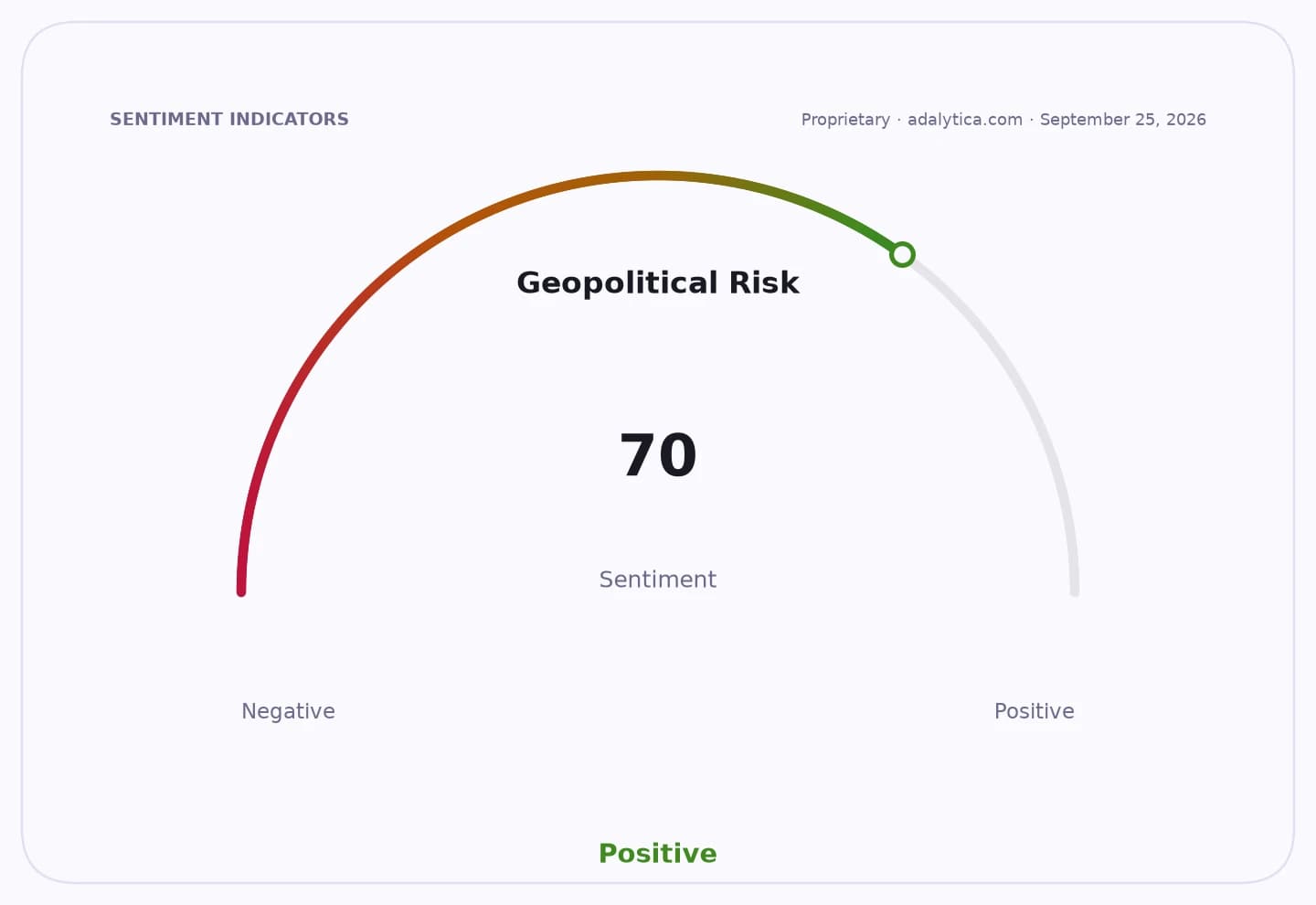
Sentiment IndicatorsⓘProprietary · adalytica.com · August 11, 2026
This is a snapshot — live sentiment, awareness and momentum for 130+ markets update continuously in the dashboard.Open AlphaPulse
Lawyer Jim Walden said the matter was an attempt to regulate conduct that did not affect US citizens, underscoring the defense argument that the case should not have been treated as a US issue. Senior Advocate Vikas Pahwa also confirmed the dismissal, saying the DOJ effectively ended the matter by clarifying the transactions were outside its remit.
Investors are likely to read the move as a reduction in headline risk for Adani entities, even if it does not change near-term operating performance. Legal uncertainty has a direct cost in India’s infrastructure, energy and ports sectors, where large capital programs depend on bank finance, bond-market access and counterparties’ willingness to sign long-dated contracts.
The broader backdrop remains one of heightened scrutiny of global enforcement boundaries in an era when cross-border capital flows and offshore structures are common. For Adani, the immediate focus now shifts back to execution and balance-sheet repair, while markets will watch whether the clearance helps sentiment around the wider group and its financing needs.
| Entity | Gains | Losses |
|---|---|---|
| Adani Group | ▲Legal overhang lifted | ▼Jurisdictional scrutiny |
| Gautam Adani | ▲Reputational relief | ▼US-case uncertainty |
| Bondholders and lenders | ▲Lower headline risk | ▼Less legal leverage |
| US prosecutors | ▲Clearer jurisdiction limits | ▼Case dismissed |