Employees doing laundry, shopping or even watching Netflix during paid hours is becoming a bigger management and legal problem for companies, and the fight against it is increasingly shaping demand for workforce software and time-tracking tools.
ADP, Workday, Salesforce Gain From Time-Fraud Crackdown
In Germany, a survey of 1,000 workers found 13% said they regularly do not record their working time correctly, while three quarters admitted to doing private tasks when they should have been working. The issue matters because labor is one of the largest costs for employers, and even small gaps between hours paid and hours actually worked can quickly add up across large workforces.
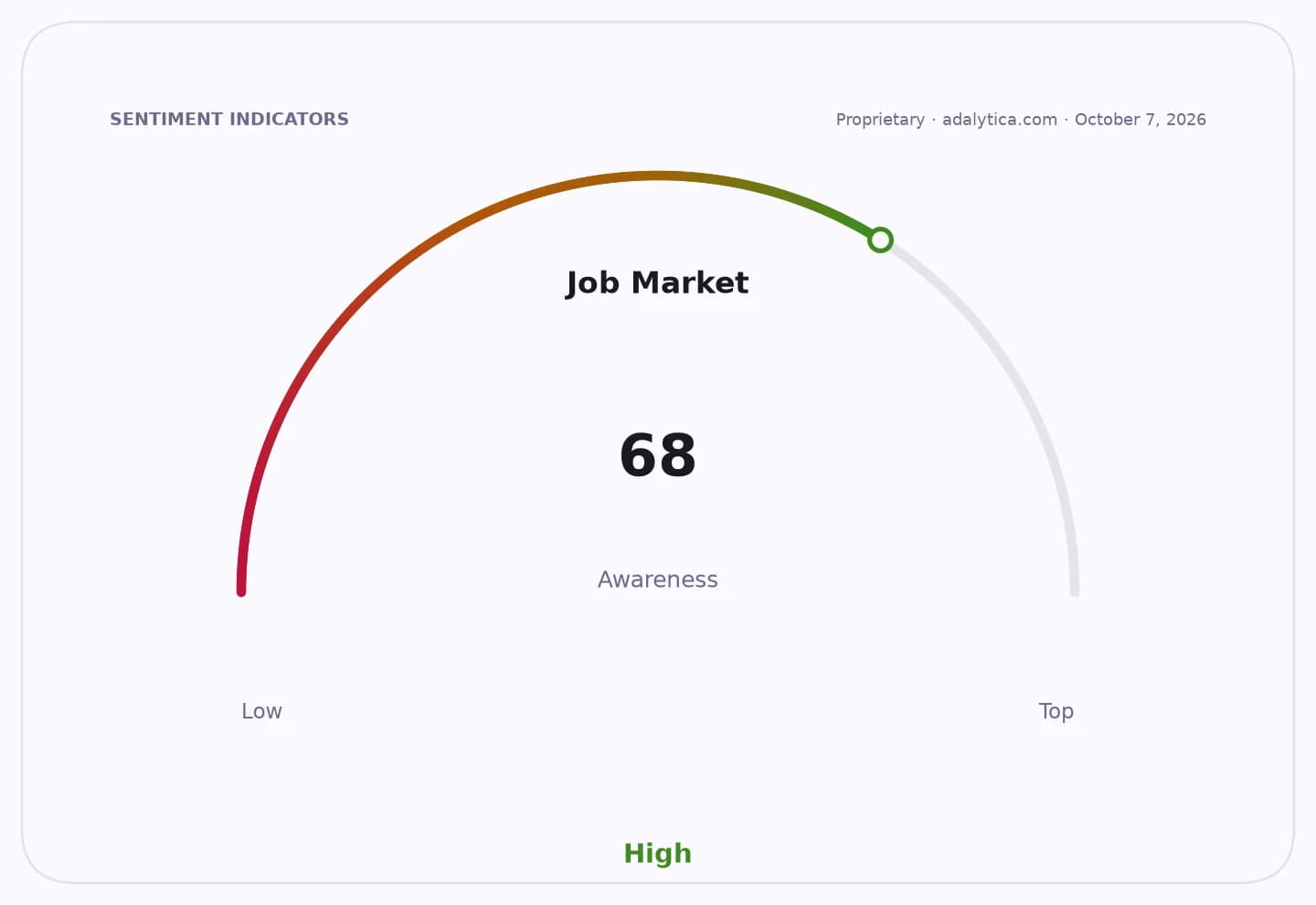
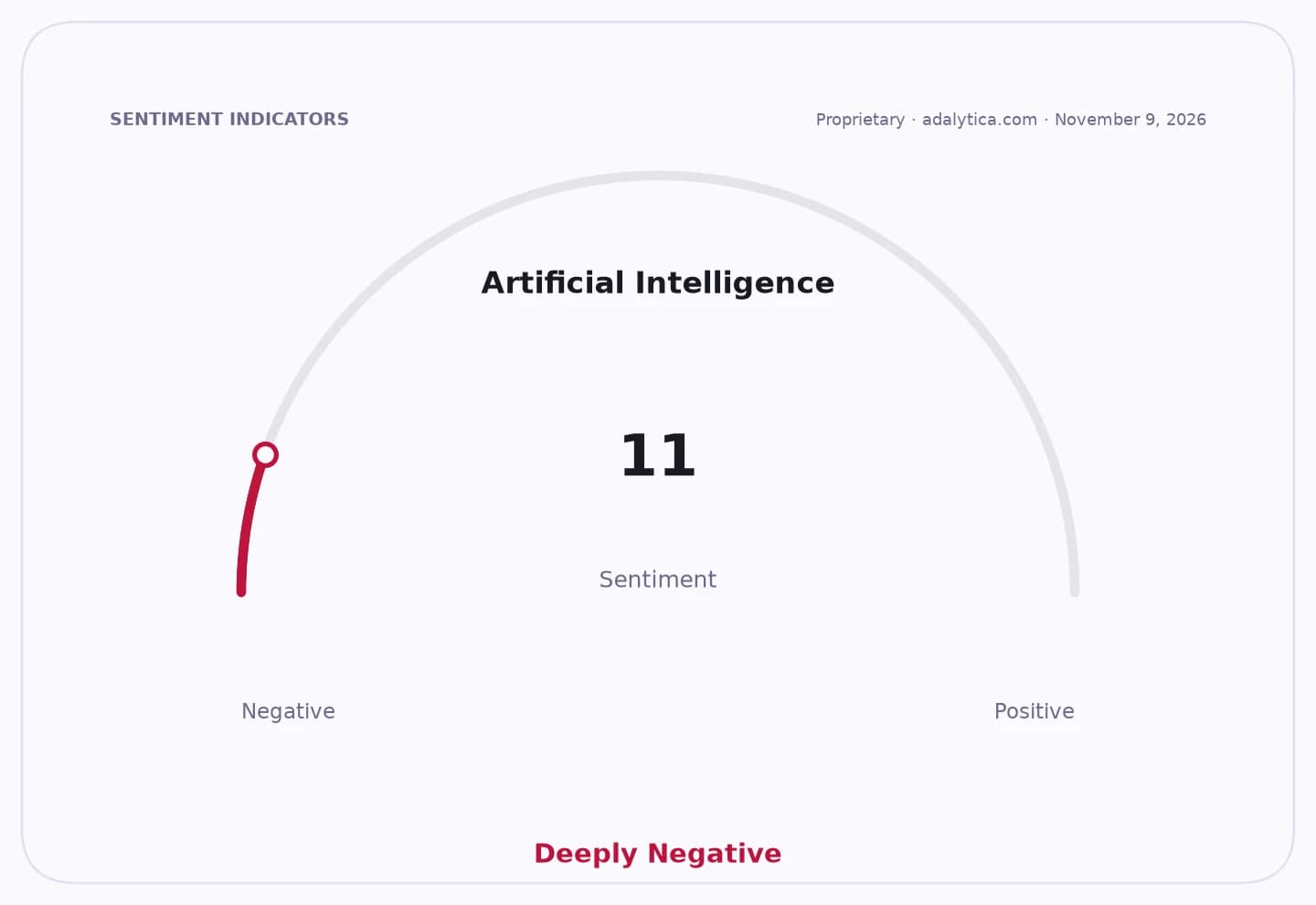
Sentiment Indicators
Employment lawyers say the line between a long lunch and dismissible fraud is clear when an employee is deliberately pretending to work. In extreme cases, German courts have backed instant dismissal and damage claims, including a case this year in Cologne in which a transit ticket inspector who spent work time at his girlfriend’s home, cafes and a hairdresser was ordered to repay a detective bill of 21,000 euros.
The broader economic relevance is that remote work, flexible schedules and faster productivity gains from artificial intelligence make time-based oversight harder. Employees who can finish tasks faster may still be contractually bound to fixed hours, while managers are being pushed to prove output, set clearer goals and document suspected misconduct before they can act.
That creates a direct commercial angle for payroll and workforce software providers. ADP, Workday and Salesforce all sell systems used to capture hours, align goals with outcomes and monitor workforce performance, while ADP’s filings say its time-capture products include timesheets, timeclocks, biometrics, mobile devices and other tools designed to automate reporting of hours worked.
ADP’s shares have rebounded to $298.78 from a low of $186.18 in April, while Workday closed at $198.13 on Nov. 2 after trading as high as $206.92 in September. Salesforce has been more volatile, slipping to $226.18 from $263.97 in early September, even as its tools remain part of the corporate software stack that employers use to manage labor discipline and productivity.
For investors, the narrative is less about isolated employee misconduct than about a structural shift in how companies justify payroll costs, enforce attendance and defend themselves in disputes. The more firms worry about time fraud, the more they are likely to invest in monitoring, compliance and workflow systems, especially as courts demand concrete evidence and privacy rules limit how far employers can go.
The next catalyst is whether companies keep tightening attendance controls as AI reshapes productivity expectations and whether labor markets stay loose enough to keep enforcement on the agenda.
| Entity | Gains | Losses |
|---|---|---|
| ADP | ▲Higher demand for time-tracking tools | ▼Less need for manual oversight |
| Workday | ▲More interest in workforce management software | ▼Firms relying on loose timekeeping |
| Salesforce | ▲Demand for productivity and workflow monitoring | ▼Employees with opaque output |
| Employees | ▲Clearer rules and outcome-based work | ▼Privacy and flexibility |