Germany’s political firewall against the far right is under its sharpest test since World War II, with the AfD poised to win enough support in Saxony-Anhalt to potentially take control of a state government for the first time.
AfD Poll Lead Tests Germany's Political Firewall

That matters far beyond one eastern state because a breakthrough for the AfD would normalize a party that is now the main opposition force nationally and is building its appeal on anti-immigration politics, hostility to climate policy, skepticism of aid to Ukraine and a push for cheaper Russian energy. For investors, the risk is not just a louder populist edge in German politics. It is a deeper challenge to policy stability in Europe’s largest economy, at a time when capital already worries about defense spending, industrial competitiveness and the durability of the eurozone’s political center.
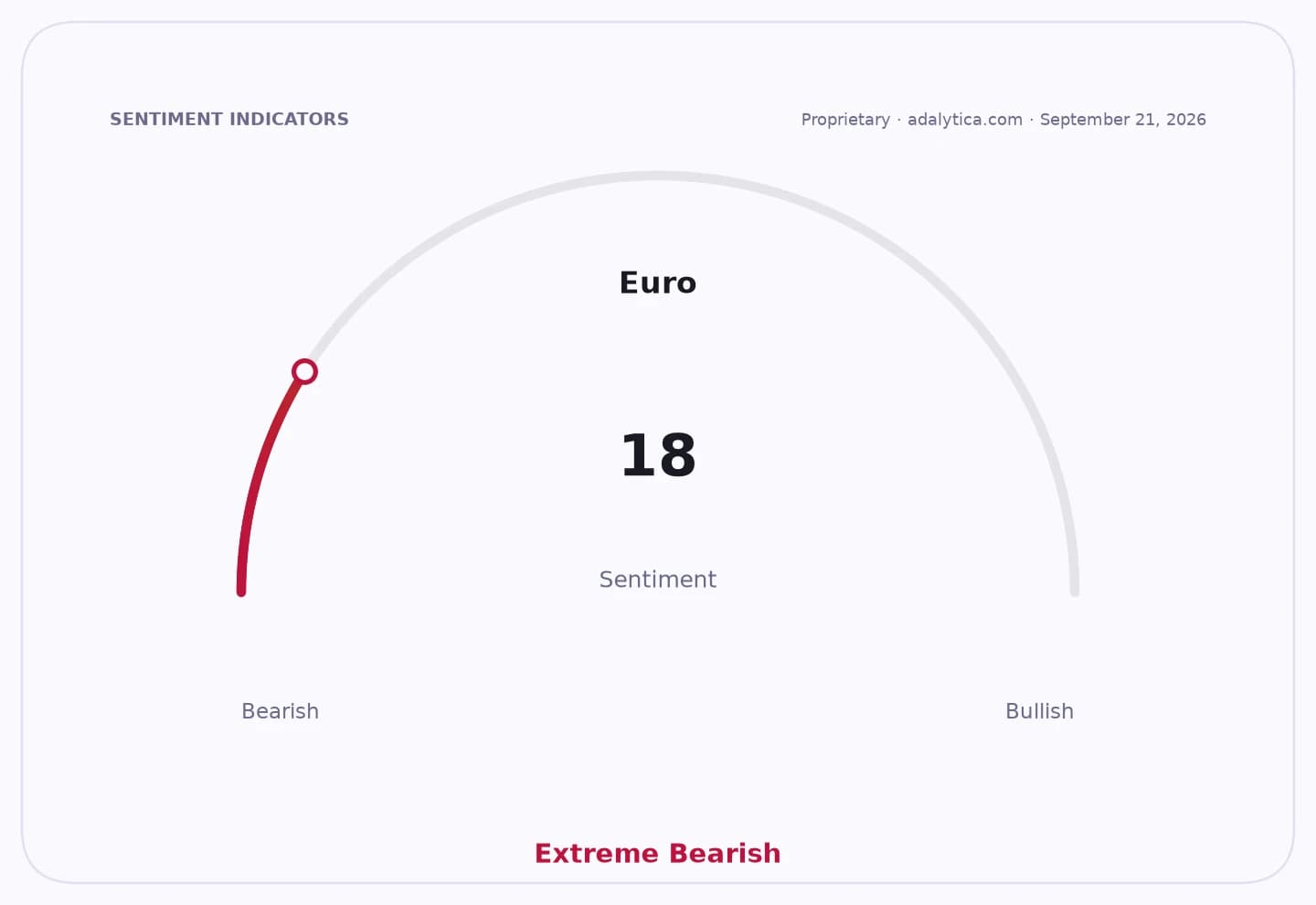
Sentiment IndicatorsⓘProprietary · adalytica.com · September 6, 2026
This is a snapshot — live sentiment, awareness and momentum for 130+ markets update continuously in the dashboard.Open AlphaPulse
Polls put the AfD at about 43% in Saxony-Anhalt, with some surveys showing it near 46%, the level that could amount to an outright majority in the state parliament. The CDU trails at 23%, the SPD at 9% and the Greens just above the 5% threshold to enter the chamber. If the numbers hold, the far right would be on the verge of its most consequential regional victory since 1945, a result that would reverberate through Berlin well beyond the state’s borders.
The stakes are economic as much as political. Saxony-Anhalt sits in the industrial east, where anxiety over jobs, migration, energy costs and deindustrialization has given the AfD its strongest opening. That is exactly the mix that can feed policy volatility: pressure on subsidies for churches and social inclusion, attacks on immigration-linked labor supply, and a harder line on Ukraine at a moment when Germany remains a crucial pillar of European security.
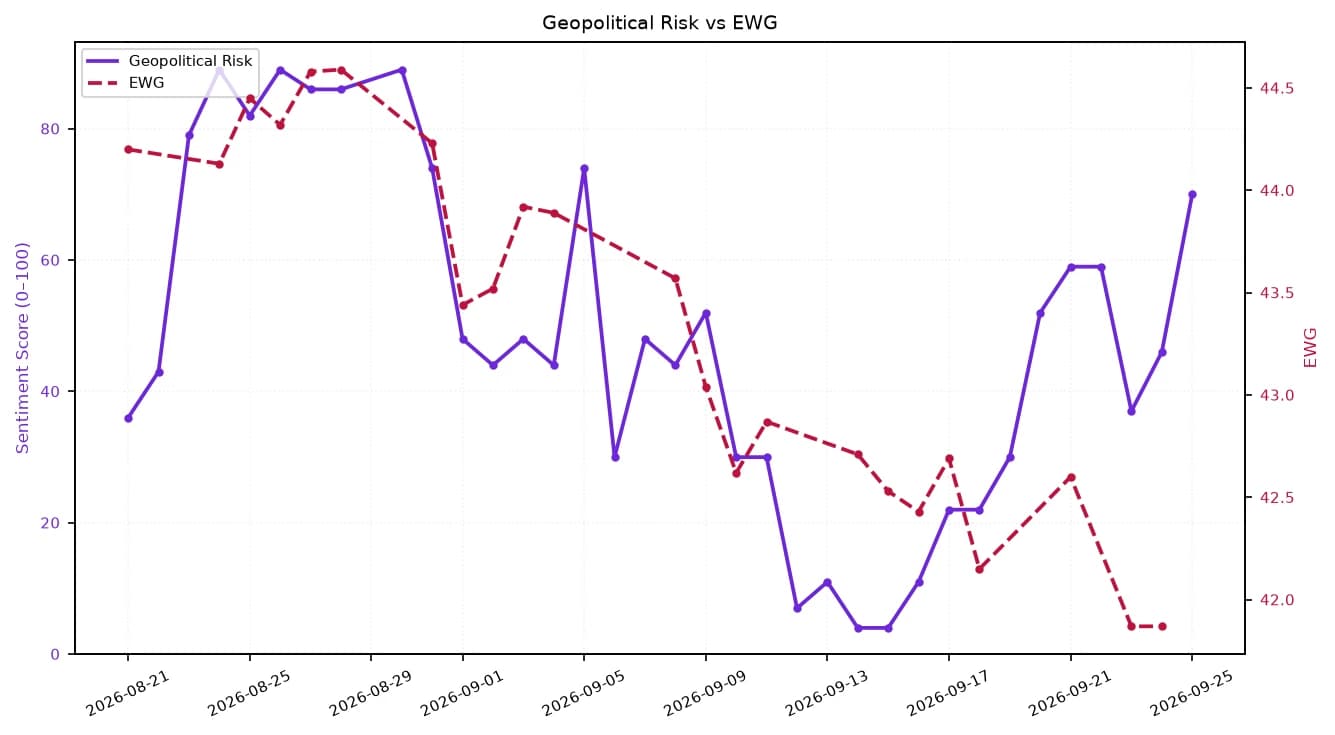
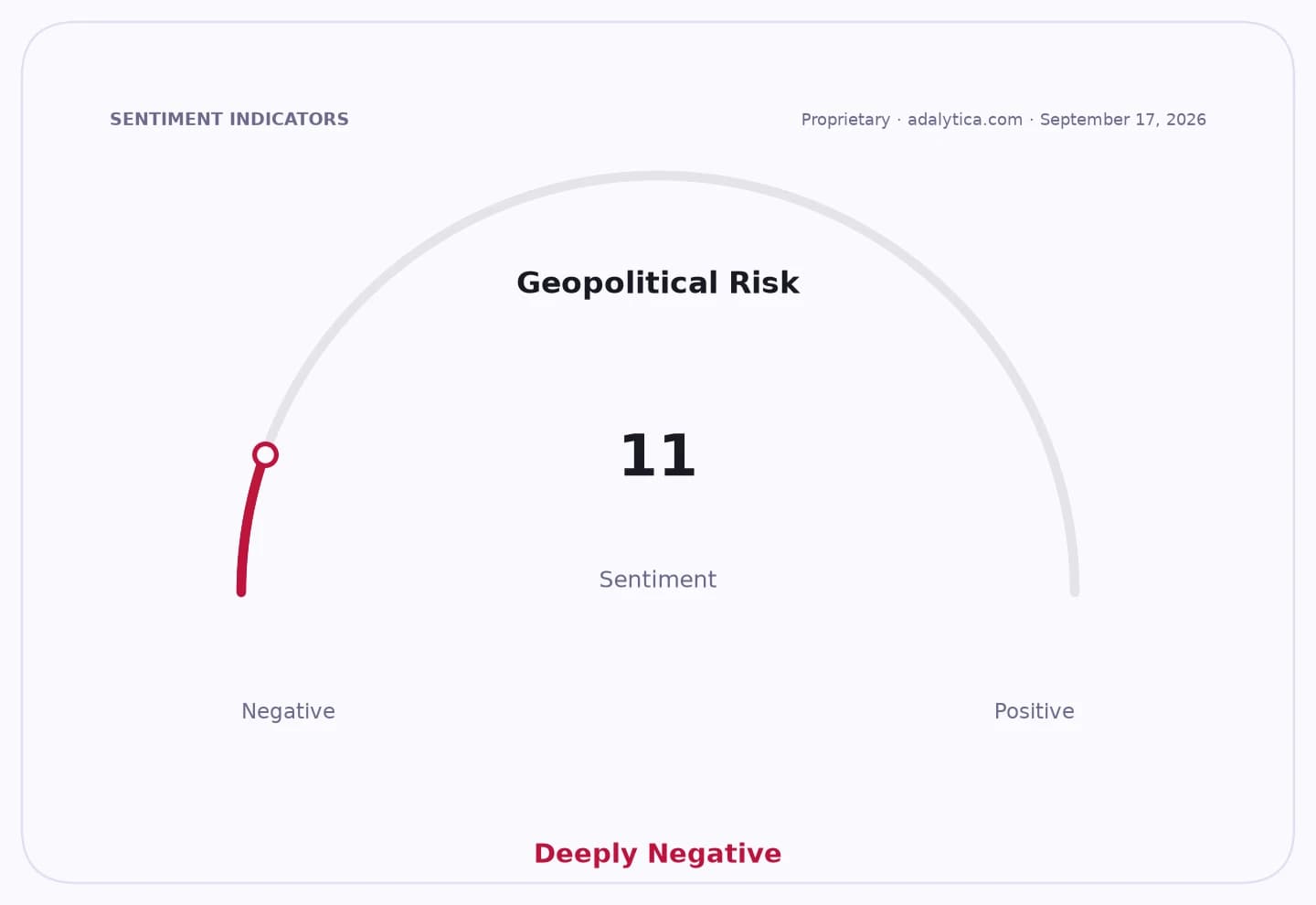
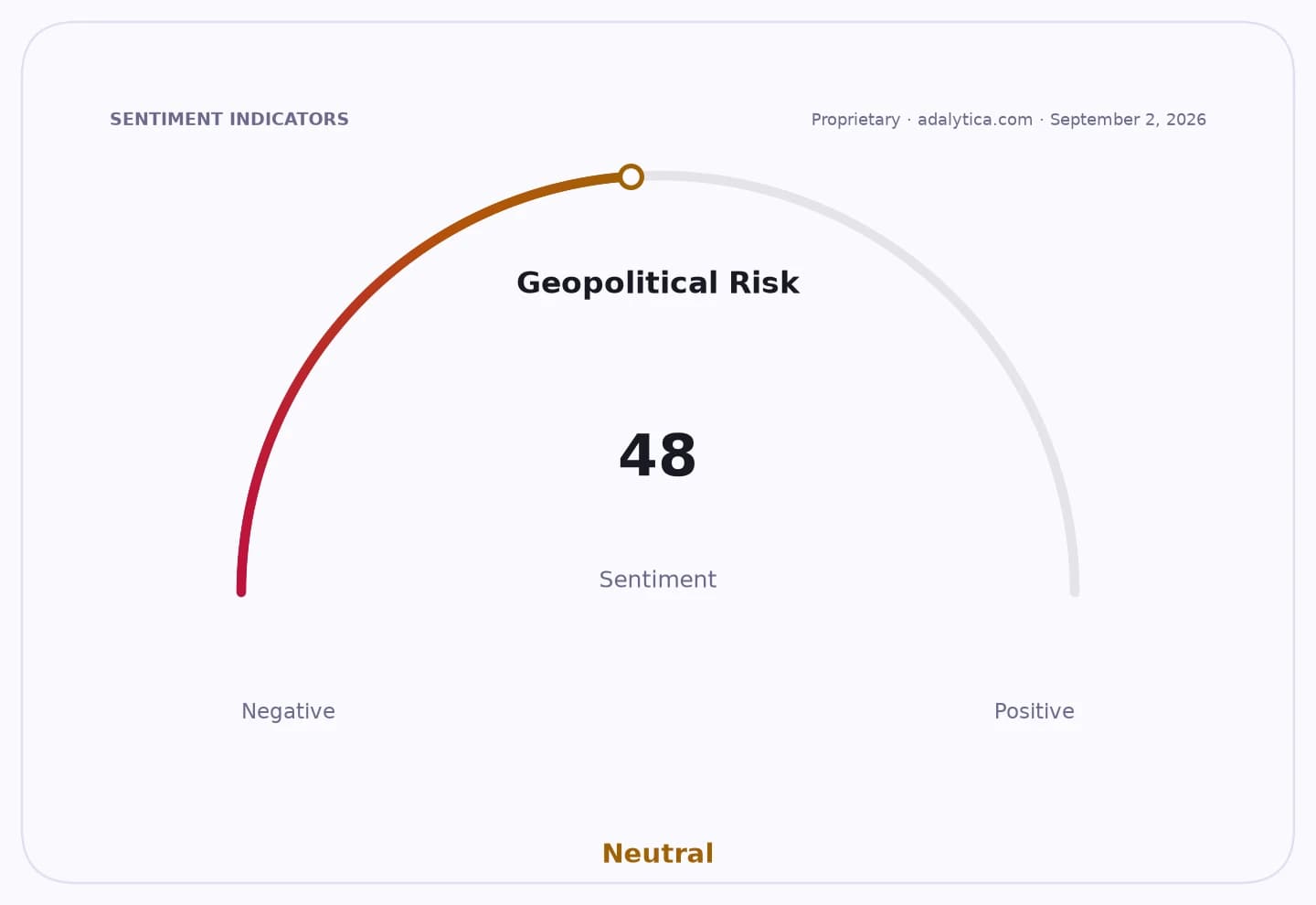
The market read-through is subtler but important. Germany’s DAX has held up, with the index trading at 26,046 on Friday, above its 50-day and 200-day moving averages, but the broader political backdrop is deteriorating. The euro-sensitive iShares MSCI Germany ETF, EWG, has climbed to about $43.89, also above its 50-day and 200-day averages, yet the move comes against a backdrop of weakening geopolitical sentiment. Adalytica’s Global Stability Sentiment is in “Fear” at 30, down 44 points in a day, while awareness remains elevated at 81, a sign that investors are paying close attention to rising political risk even if they are not fully pricing it in.
That creates an opportunity set that the market may still underestimate. A stronger AfD does not automatically mean an immediate policy rupture, but it raises the odds of prolonged conflict over migration, welfare, energy and Germany’s role in backing Ukraine. Those tensions can weigh on domestic cyclicals, add pressure to politically exposed utilities and insurers, and keep a lid on foreign appetite for German small caps and regional assets. By contrast, defense contractors, border-security providers, cyber firms and companies tied to energy resilience and industrial self-reliance could benefit if the political debate shifts further toward security and sovereignty.
The bigger narrative is clear: the German center is losing its monopoly on power in the east, and Saxony-Anhalt may become the first proof that the country’s postwar political order is fraying at the regional level. If the AfD crosses that line, investors should expect a longer period of policy uncertainty, a sharper debate over Germany’s industrial model and more demand for assets that benefit from fragmentation rather than consensus.
| Entity | Gains | Losses |
|---|---|---|
| AfD | ▲Power breakthrough | ▼Political isolation |
| CDU/SPD/Greens | ▲Firewall legitimacy | ▼Regional influence |
| Defense and security firms | ▲Higher security focus | ▼— |
| German industrial exporters | ▲Stability if center holds | ▼Policy uncertainty |