Germany’s far-right Alternative for Germany is edging closer to a historic breakthrough in Saxony-Anhalt, a shift that matters well beyond one eastern state because it could deepen political instability in Europe’s biggest economy and keep a lid on investor confidence in German assets.
AfD Nears Saxony-Anhalt Breakthrough

For long-term investors, this is not about one election result alone. It is about whether Germany can preserve the policy stability that underpins its industrial base, export engine and capital markets. If the AfD becomes the first far-right party to control a state government in postwar Germany, it would mark another sign that the country’s political center is under strain just as Europe is trying to navigate weak growth, trade friction and an unsettled global backdrop.
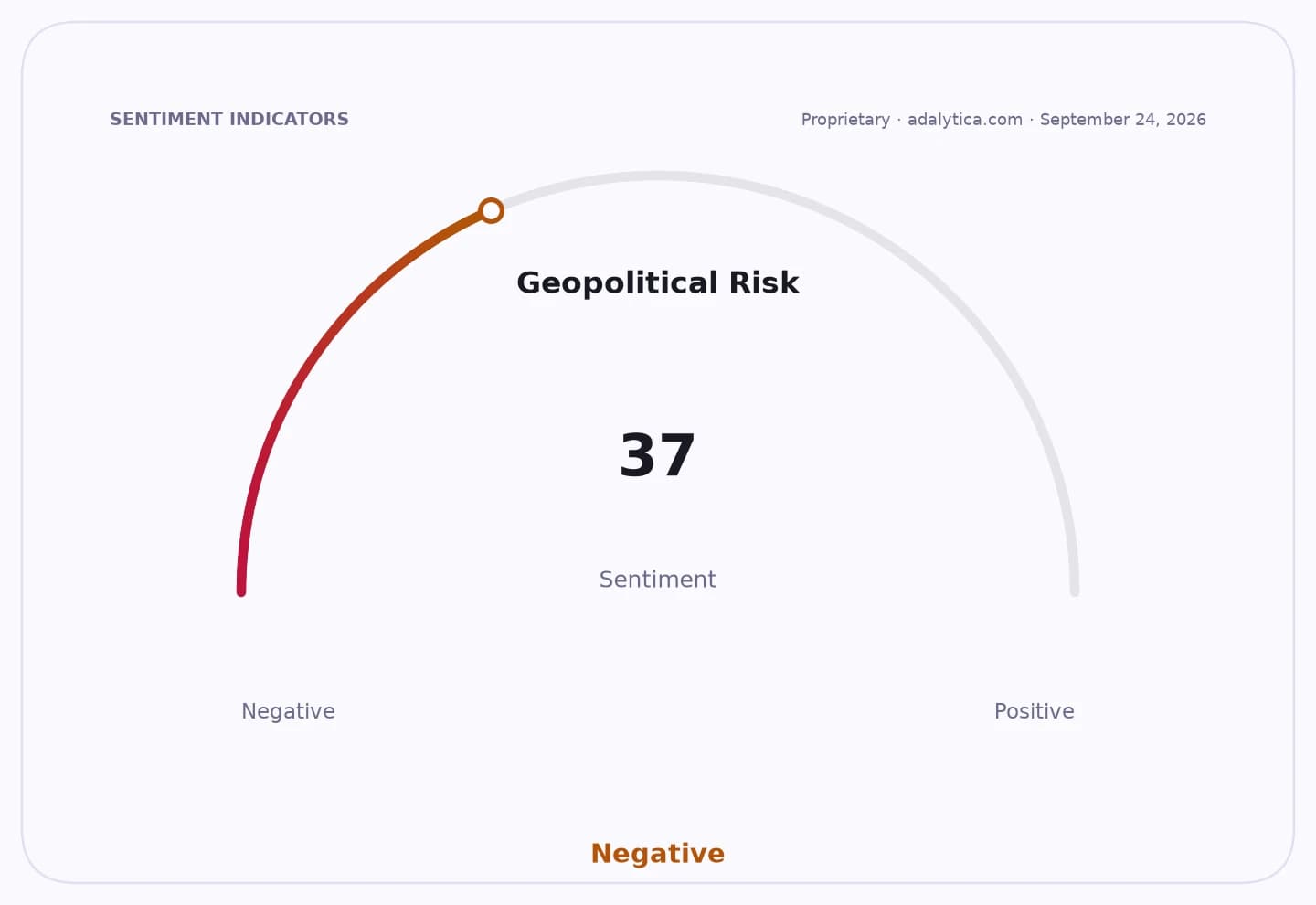
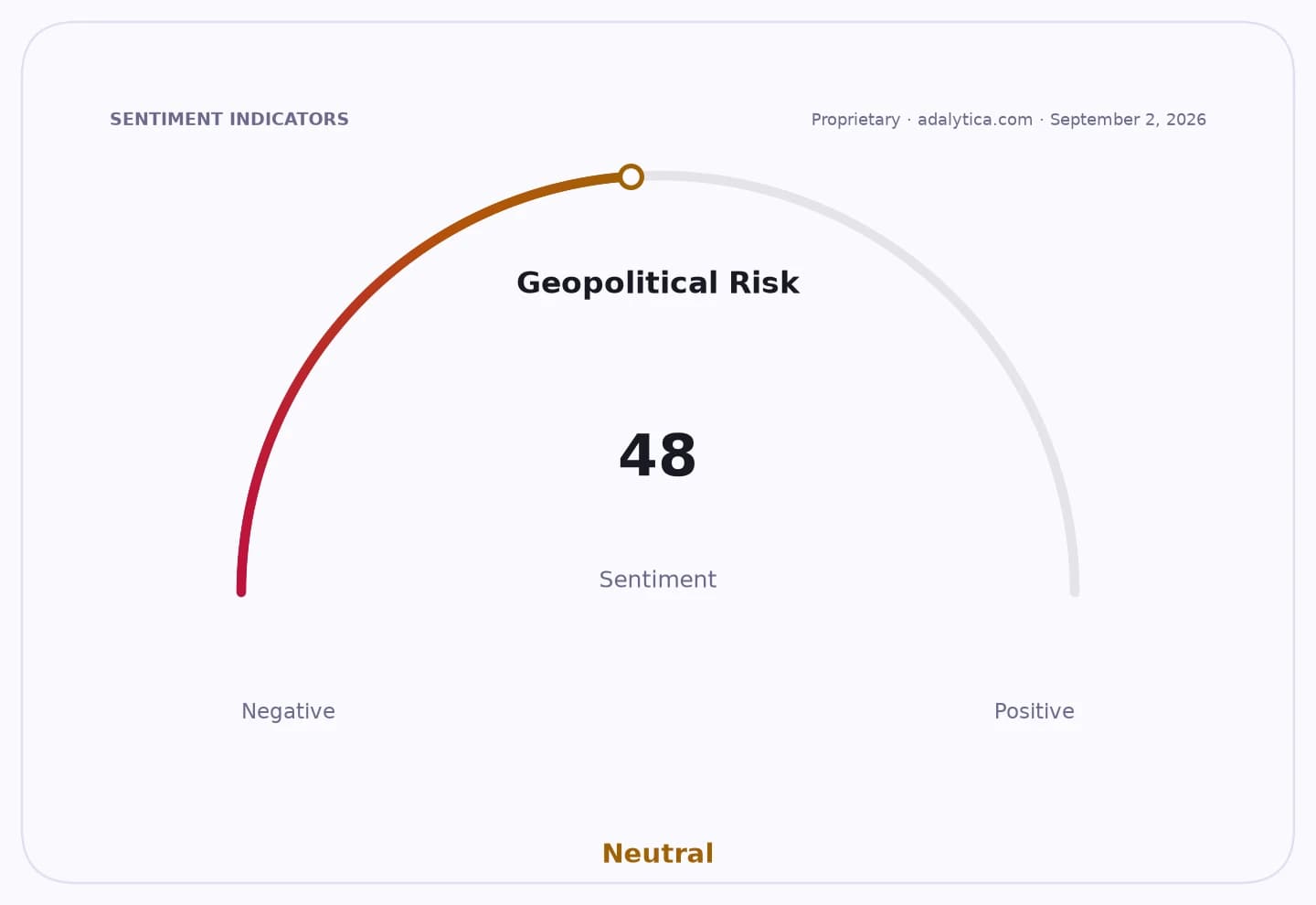
Sentiment IndicatorsⓘProprietary · adalytica.com · September 4, 2026
This is a snapshot — live sentiment, awareness and momentum for 130+ markets update continuously in the dashboard.Open AlphaPulse
That matters economically because Germany is still the anchor for much of the eurozone. A more fragmented political landscape can make it harder to push through reforms on energy, labor, taxation and infrastructure — all issues that influence corporate earnings, business investment and long-run productivity. The election is especially important in Saxony-Anhalt, where far-right momentum has turned the campaign into a national test of whether protest voting is becoming durable political power.
The market impact is subtler, but investors should not ignore it. The iShares MSCI Germany ETF, EWG, has climbed to $43.89 from $38.13 in late November, and its 50-day moving average has turned up to $42.75, with the 200-day average at $41.65. That suggests German equities have been recovering even as politics stay noisy. For now, technical readings such as RSI near 49 show the fund is neither overheated nor distressed, but the bigger question is whether political uncertainty eventually weighs on valuations for exporters, banks and domestically focused companies.
The broader backdrop is one of fragile confidence. Adalytica’s Global Stability Sentiment remains neutral at 44, while awareness — a gauge of market attention — is high at 85, showing how closely investors are watching political risk. That combination often means headlines can move sentiment quickly even when fundamentals are slow to change. Germany’s economy does not need a crisis to feel the effects; it only needs enough uncertainty to delay investment decisions.
For investors, the lesson is simple: political shifts in Germany can matter for years, not days, because they influence the cost of capital, the pace of reform and the reliability of the policy environment. EWG has held up well lately, but a far-right breakthrough in a major state would reinforce the case for patience, diversification and a close eye on Europe’s political risk premium. This is a story worth watching, not trading around.
| Entity | Gains | Losses |
|---|---|---|
| AfD | ▲Greater legitimacy | ▼Mainstream rivals |
| Protest voters | ▲Stronger voice | ▼Political center |
| German equity bulls | ▲Recovering prices | ▼Reform-sensitive sectors |
| Government stability | ▲— | ▼Policy consensus |