The European far right’s flirtation with South Tyrol is turning into a political own goal, exposing how nationalist parties that preach sovereignty at home are willing to cheer separatism abroad when it suits their allies.
AfD South Tyrol ties stir Italy political backlash
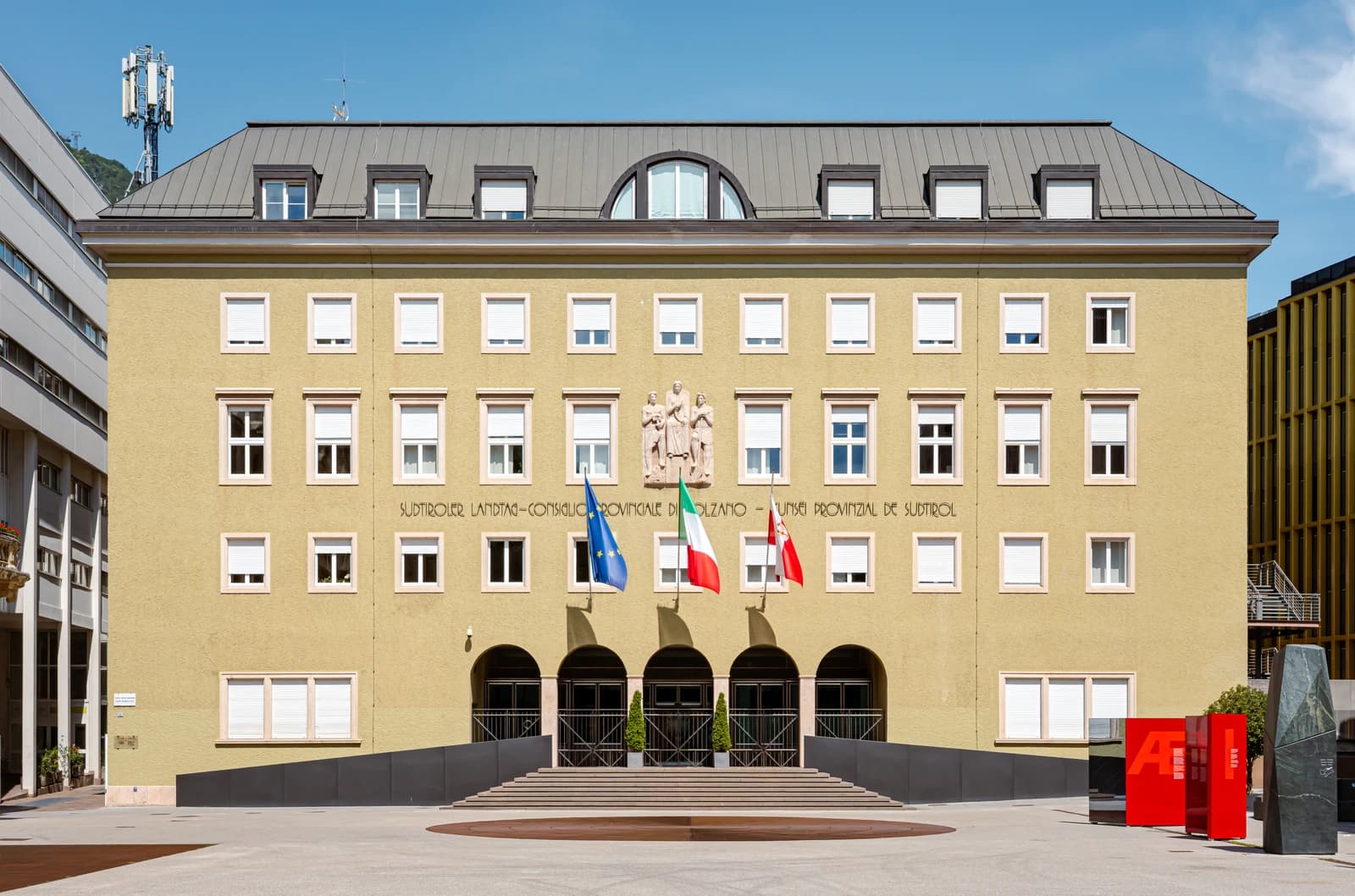
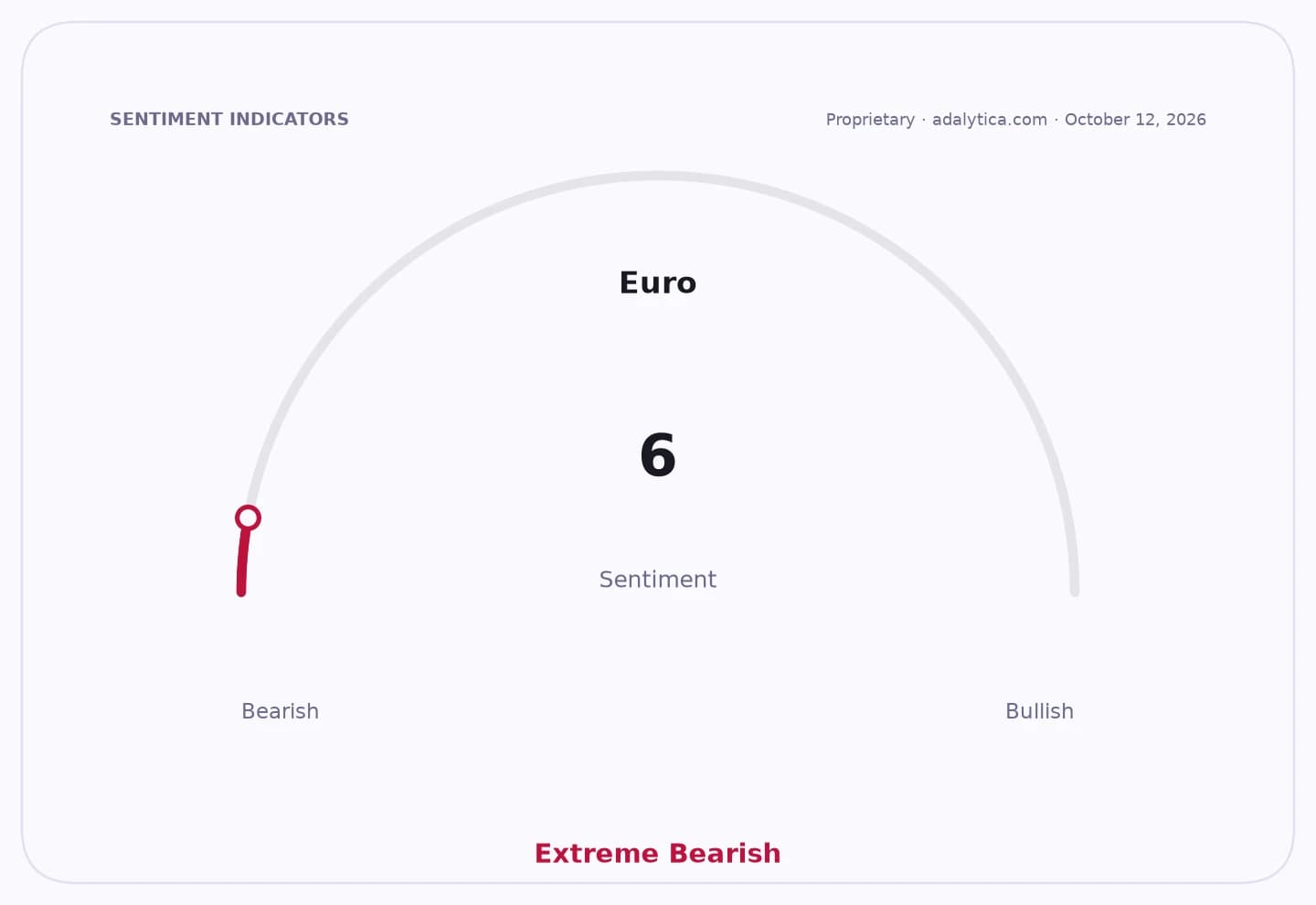
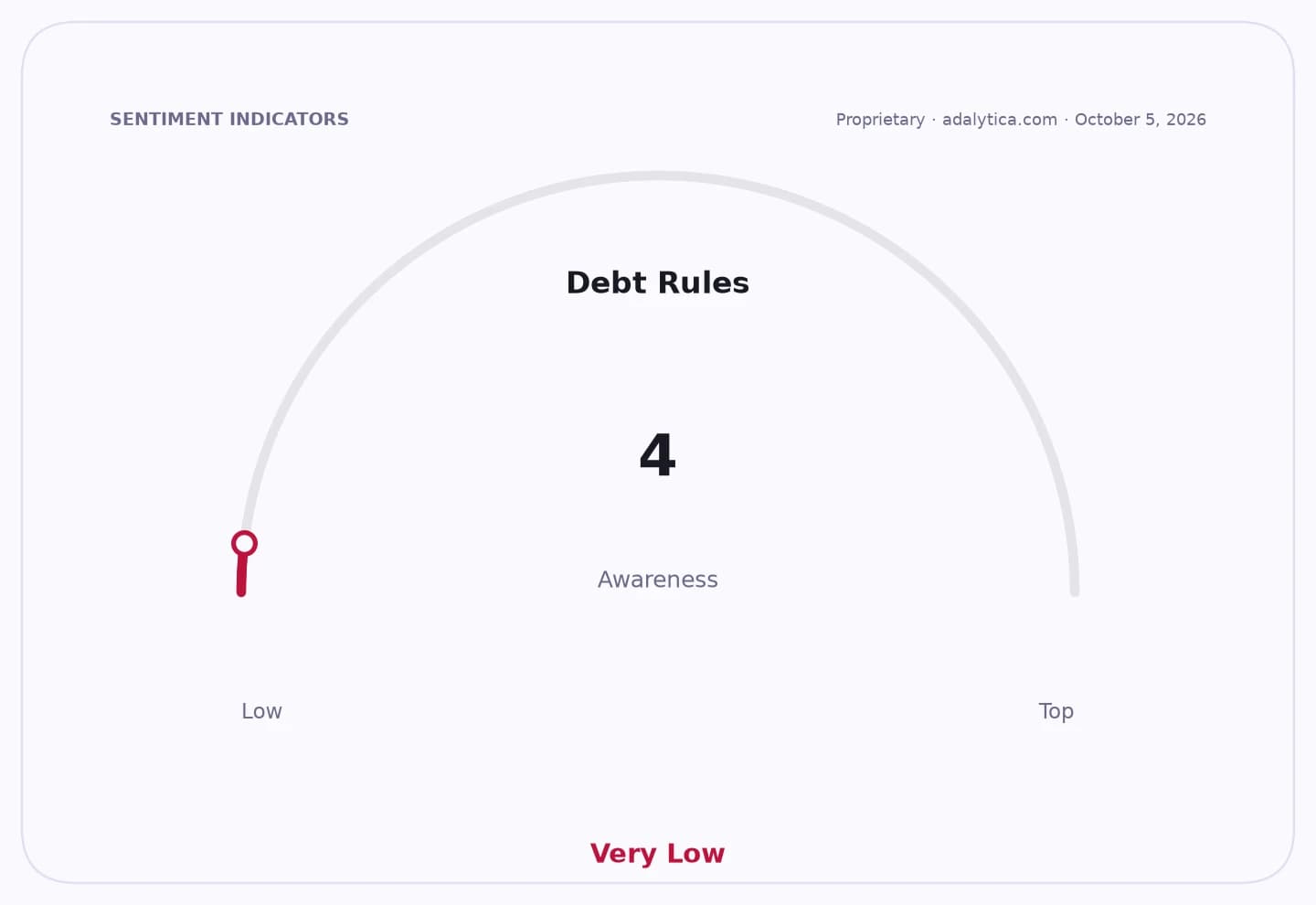
That matters because South Tyrol is not just a symbolic mountain province. It is a reminder of how fragile Europe’s borders still are, and how quickly identity politics can spill across them. For investors, the bigger takeaway is that the continent’s political temperature is rising again at a moment when markets are already sensitive to instability, coalition risk and any fresh strain on euro-area unity. The latest clash also reinforces why geopolitical noise can still jolt the euro, with Adalytica’s Euro Trade Signals showing extreme fear even as awareness remains elevated.
Sentiment IndicatorsⓘProprietary · adalytica.com · October 3, 2026
This is a snapshot — live sentiment, awareness and momentum for 130+ markets update continuously in the dashboard.Open AlphaPulse
The trigger was a series of appearances by Germany’s Alternative for Germany, or AfD, alongside South Tyrolean separatists. A Sept. presentation in the Bundestag included Otto Mahlknecht of the pro-independence Freiheitliche party, who displayed South Tyrol on a map as an independent territory. That drew a sharp response from Italian Foreign Minister Antonio Tajani, who branded AfD “anti-Italian.”
AfD’s youth wing went further, inviting Melanie Mair of South-Tiroler Freiheit to its congress and later sending Jean-Pascal Hohm to Italy for a meeting organized by the separatist group. Hohm praised militants linked to the region’s violent secessionist past as “fighters for identity,” a choice of language that infuriated Rome and put AfD’s “patriotic” brand on display in the least flattering way possible.
The economic relevance is indirect but real. Europe’s single market depends on stable institutions, predictable coalitions and a basic consensus around borders. When nationalist parties begin to normalize separatist rhetoric — even if only as tactical theater — they add another layer of political risk to a region already wrestling with weak growth, sticky fiscal pressures and brittle investor sentiment. The euro does not need a full-blown constitutional crisis to feel the strain; it only needs more evidence that populist politics is fragmenting the center of gravity in major member states.
Italy is especially exposed because the episode lands squarely in the middle of its own right-wing ecosystem. Matteo Salvini’s League and Roberto Vannacci’s emerging movement have been happy to celebrate AfD’s electoral gains and present themselves as defenders of national identity. But AfD’s willingness to engage South Tyrol separatists has made that posture look inconsistent. As Massimo Bessone, a Futuro Nazionale spokesman in the province, put it, autonomy is one thing, but “nothing of a free state for South Tyrol.” In other words, the same nationalist parties that invoke self-determination when it helps them are less comfortable when it threatens the map at home.
That is why Arno Kimpatscher, the conservative governor of South Tyrol, sounded alarmed. His warning that the current dynamic recalls “a very dark era” is not rhetoric for its own sake. South Tyrol’s history — annexed by Italy after World War I, forcibly Italianized under fascism, later given wide autonomy — makes it a politically sensitive test case for how far identity politics can be pushed before it starts reviving older wounds.
For investors, the practical lens is not whether South Tyrol secedes. It almost certainly will not. The question is whether Europe’s nationalist parties keep deepening cross-border alliances that make governing harder and policy less predictable. That matters for everything from fiscal bargaining in Rome to the broader risk premium attached to European assets.
The deeper lesson is that the far right is still struggling with a core contradiction: it wants national sovereignty, but it also wants an international network of ideological allies. South Tyrol shows what happens when those two ambitions collide. The result is not strength but exposure.
For long-term investors, that makes Europe’s political risk worth watching rather than trading around. Stable democracies, rule-based institutions and predictable coalitions remain the real backdrop that supports compounding. When those fray, even a regional dispute in the Alps can matter more than it first appears.
| Entity | Gains | Losses |
|---|---|---|
| AfD and allied far-right parties | ▲Attention from nationalist base | ▼Credibility on “patriotic” consistency |
| South-Tiroler Freiheit and separatists | ▲Visibility and outside allies | ▼Risk of backlash from Rome |
| Italian government | ▲Chance to frame AfD as anti-Italian | ▼More political friction and noise |
| Euro-area investors | ▲Clarity on political fault lines | ▼Higher geopolitical risk premium |