Afreximbank is tapping the market for a $1.3 billion bond sale, using double coverage to improve its appeal even as borrowing costs stay elevated and global rate volatility keeps investors selective.
Afreximbank Bond Tests Appetite for African Credit
The deal matters because it shows that sizeable African and supranational issuers can still access funding at a time when the yield backdrop is challenging. With the U.S. 10-year Treasury around 4.65% and the two-year near 4.31%, global rates remain high enough to pressure new debt sales, but not so high that well-structured issues are being shut out.
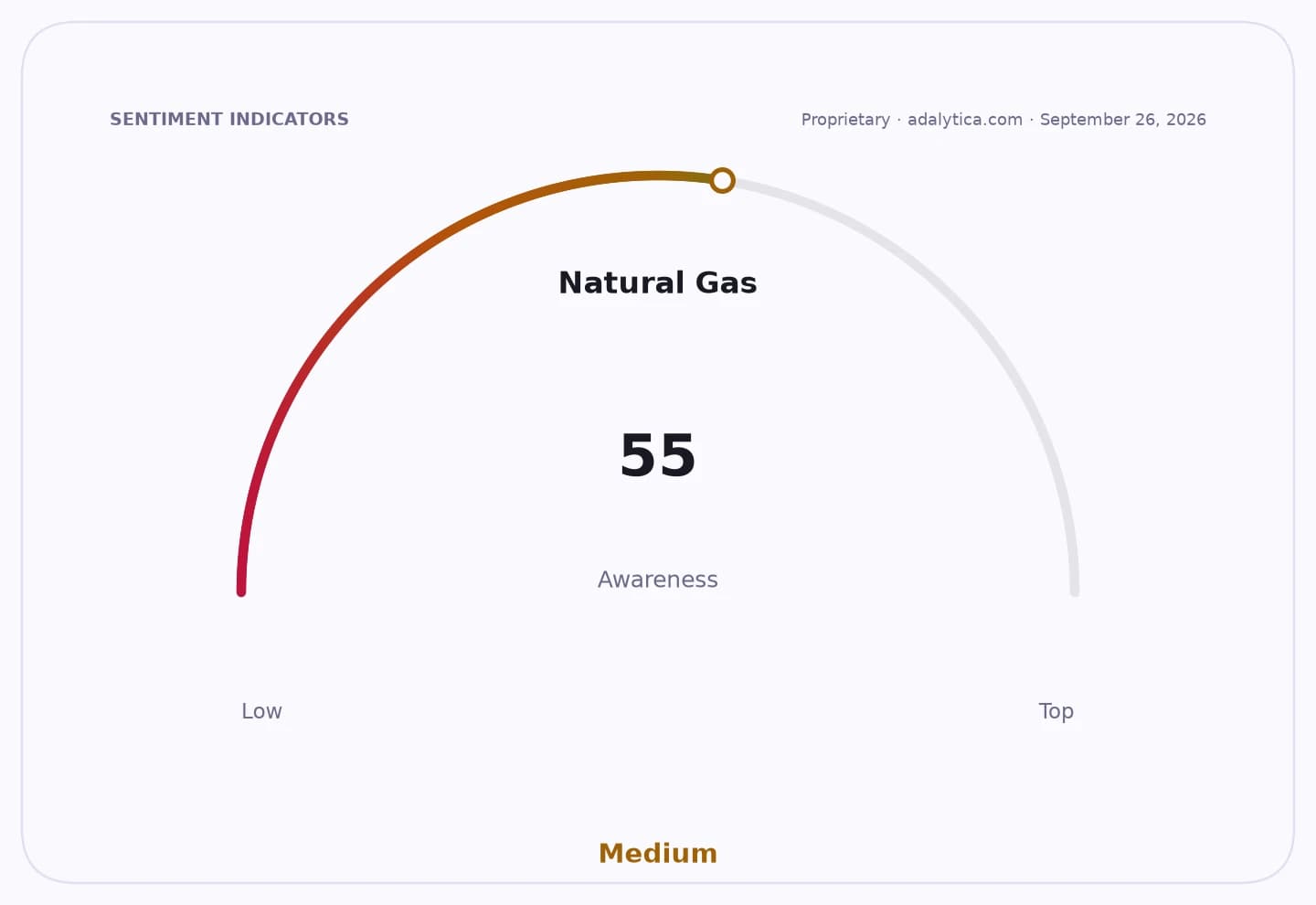
Sentiment IndicatorsⓘProprietary · adalytica.com · July 29, 2026
This is a snapshot — live sentiment, awareness and momentum for 130+ markets update continuously in the dashboard.Open AlphaPulse
For investors, the bond is a test of risk appetite in a market where buyers want protection. Double coverage typically means stronger support for repayment, which can help widen demand and limit the risk premium Afreximbank must pay, especially as governments and financial institutions compete for capital in volatile conditions.
The broader fixed-income signal is mixed. Treasury pricing has steadied only modestly, with the 10-year and two-year yield spread at about 35 basis points, a level that still reflects concern over growth and policy direction. U.S. bond proxies have been relatively stable, with TLT and IEF trading near their 50-day moving averages, while Adalytica’s U.S. Treasury sentiment gauge sits neutral but with extreme awareness, suggesting investors are watching rate risk closely.
That backdrop helps explain why demand for the Afreximbank transaction matters beyond a single issuer. A successful sale would reinforce the view that credit investors are still willing to fund strong names even as the market prices in a longer-for-higher rate path, while a weak reception would signal tighter conditions for emerging-market and development-bank borrowers.
The next catalyst is execution: pricing, order-book depth and whether the bank can lock in funding without paying a steep concession against already elevated benchmark yields.
| Entity | Gains | Losses |
|---|---|---|
| Afreximbank | ▲Raises $1.3 billion funding | ▼Faces higher borrowing costs |
| Bond buyers | ▲Stronger protection via double coverage | ▼Lower yield pickup if demand is firm |
| Competing issuers | ▲Benchmark for market access | ▼Tighter investor attention |
| Treasury bulls | ▲Stable sovereign demand backdrop | ▼Higher-rate risk remains |