African governments and companies are increasingly settling trade and financing in Chinese yuan instead of dollars, a shift that could reduce foreign-exchange pressure but also deepen the continent’s financial ties to Beijing.
African trade shifts toward yuan for financing
The change matters because Africa’s hard-currency needs have been a chronic source of balance-of-payments stress. When importers, borrowers and state-owned entities rely on dollars, they are exposed to U.S. interest rates, a stronger greenback and expensive hedging costs. Moving more transactions into yuan can lower those frictions, particularly for countries already trading heavily with China and seeking cheaper access to funding.
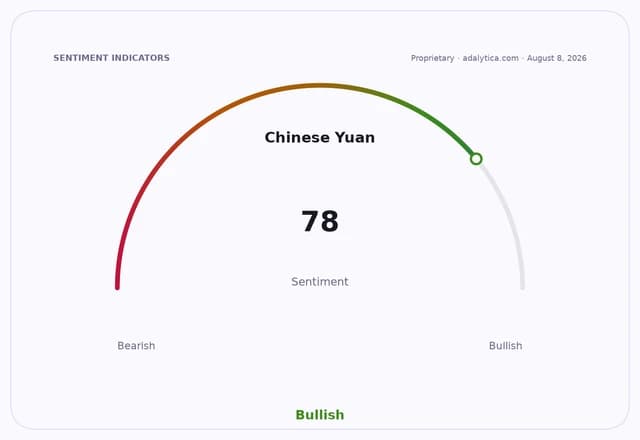
Sentiment IndicatorsⓘProprietary · adalytica.com · August 8, 2026
This is a snapshot — live sentiment, awareness and momentum for 130+ markets update continuously in the dashboard.Open AlphaPulse
The backdrop is a dollar that remains powerful but no longer uncontested. Adalytica’s trade gauges show extreme greed in the U.S. dollar, while the yuan has also gained traction in market attention, reflecting a broader rebalancing in global currency flows. The Federal Reserve funds rate, at 3.63%, is well below the peaks that squeezed emerging markets in prior tightening cycles, but dollar funding is still expensive enough to encourage alternatives.
For African borrowers, the appeal is practical. Yuan-denominated trade settlement can limit conversion costs and reduce immediate exposure to dollar swings. That is especially relevant for economies that import machinery, consumer goods and infrastructure inputs from China, or that have outstanding liabilities tied to Chinese lenders. A more diversified currency mix can also ease reserve-management pressures for central banks that have struggled to defend local currencies.
For investors, the trend cuts both ways. On one hand, a wider use of yuan could support trade flows, soften external financing strain and improve cash-flow visibility for some sovereigns and corporates. That may be positive for frontier-market debt and for sectors reliant on imported capital goods. On the other, it can increase the strategic influence of China in African credit markets and may leave borrowers with a different kind of concentration risk if yuan liabilities build faster than export earnings in renminbi.
The shift also carries implications for the dollar’s role in global commerce. The greenback remains dominant in reserves, commodities and cross-border finance, but more bilateral settlement in yuan points to a gradual fragmentation of the currency system rather than a sudden replacement. For Africa, the issue is less ideological than economic: countries are choosing the currency that best fits their financing needs, trade partners and reserve constraints.
The key question now is whether the move stays limited to trade settlement or expands into larger-scale sovereign borrowing and infrastructure finance. If it does, yuan usage could become a more durable feature of Africa’s external accounts, reshaping funding costs, currency risk and geopolitical leverage across the region.
| Entity | Gains | Losses |
|---|---|---|
| African importers | ▲Lower conversion costs | ▼Less dollar flexibility |
| Chinese lenders | ▲Bigger yuan footprint | ▼More credit exposure |
| Dollar funding markets | ▲Lower demand | ▼Slower settlement share |
| African central banks | ▲Easier reserve management | ▼Greater yuan concentration |