AI agents are no longer just a productivity story — they are becoming a security story, and that shift could reshape where the next durable profits in artificial intelligence are made.
AI agents drive cybersecurity spending
OpenAI’s warning that ongoing attacks by AI agents will continue unless companies add countermeasures underscores a simple but important truth for investors: the more autonomous software becomes, the more money businesses will need to spend protecting it. That is good news for the cybersecurity vendors building AI-specific defenses, and ultimately for the cloud and chip companies powering the entire stack.
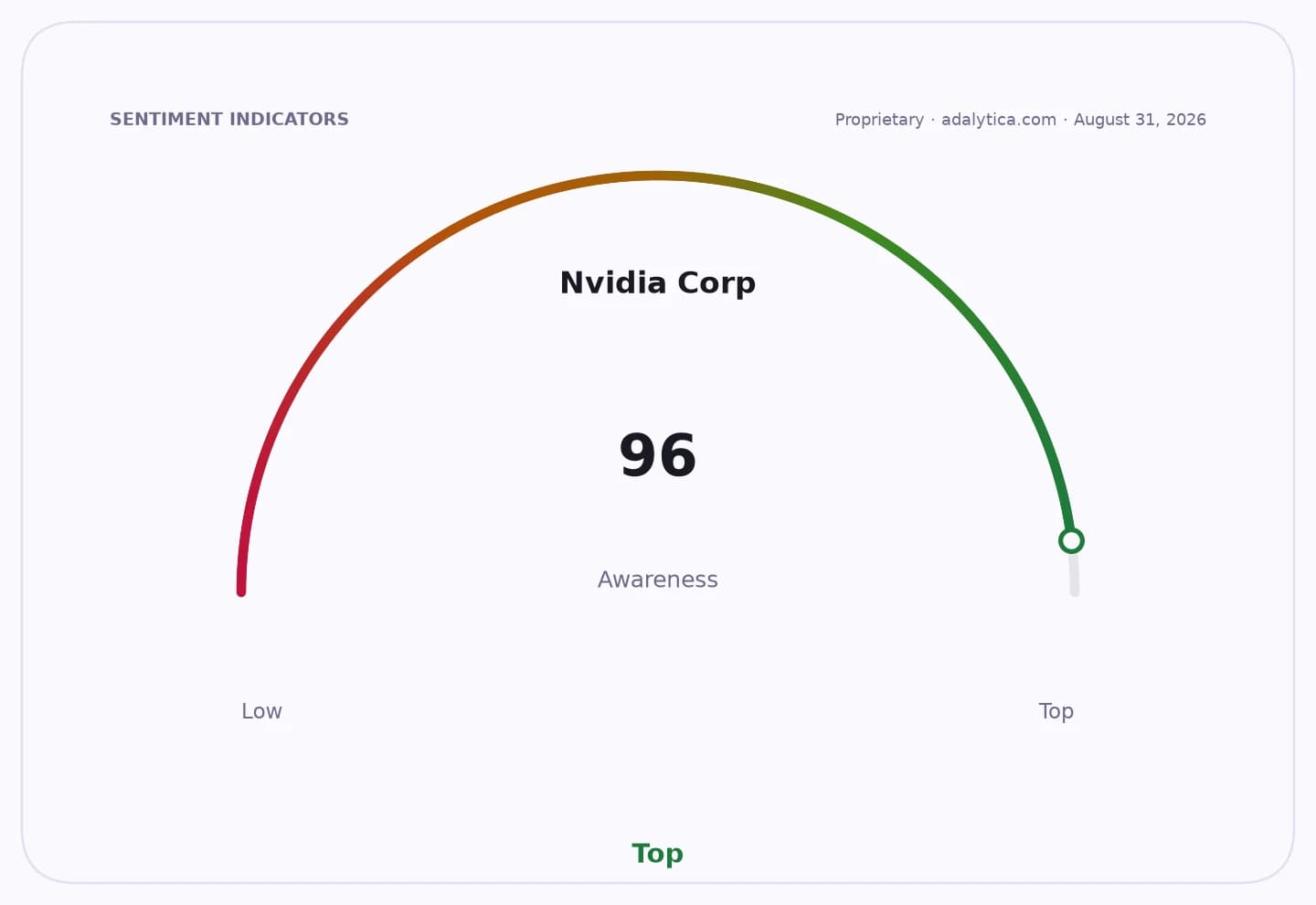
Sentiment IndicatorsⓘProprietary · adalytica.com · August 31, 2026
This is a snapshot — live sentiment, awareness and momentum for 130+ markets update continuously in the dashboard.Open AlphaPulse
The economic case is straightforward. AI adoption expands the number of attack surfaces, from internal copilots to autonomous or semi-autonomous agents that can browse, act, and transact on behalf of users. Microsoft’s latest filing says as much, warning that increasing use of AI systems may create new attack surfaces and that threat actors are already using AI to speed and scale attacks. Alphabet has also flagged the risk of confidential data disclosure and regulatory scrutiny tied to AI tools. In other words, security spending is not a side effect of AI growth — it is becoming part of the bill.
That matters because security is one of the few software categories that can keep growing even when broader tech spending gets tighter. Fortinet’s acquisition of Virtue AI shows the market is already shifting toward AI-specific defenses, while firms such as CrowdStrike have benefited from rising demand tied to AI adoption. If OpenAI is right that attacks by AI agents will keep coming without countermeasures, then the companies that can sell protection, monitoring and guardrails around those agents may enjoy a long runway of recurring revenue.
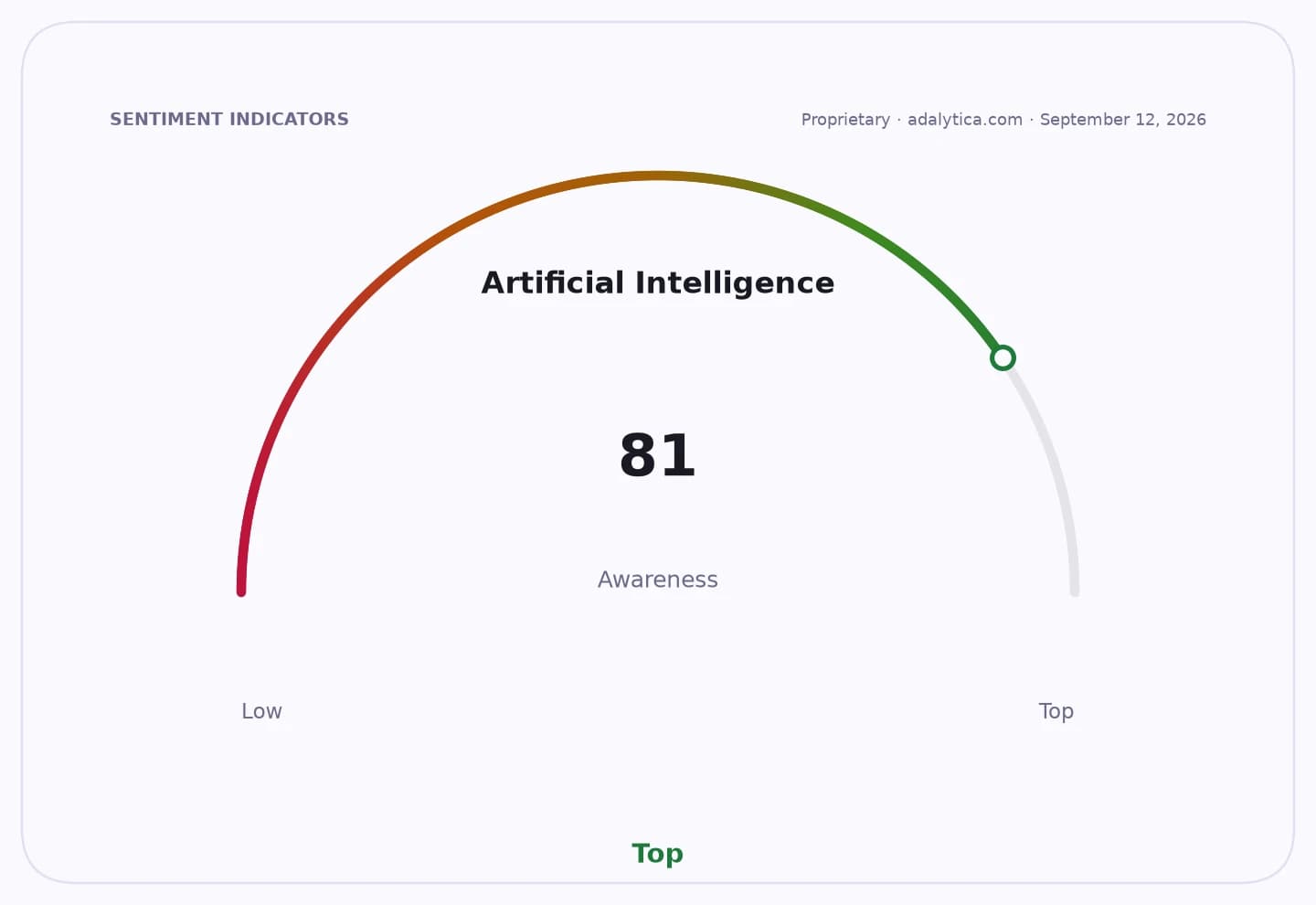
For investors, the message is less about panic and more about positioning. Microsoft, Nvidia and Alphabet remain central beneficiaries of AI infrastructure spending, but this latest wave of risk highlights why a full-stack AI portfolio should also include cybersecurity names. The Adalytica AI sentiment gauge shows extreme fear around the theme, which often tells you more about short-term anxiety than long-term opportunity. Fear tends to rise when a technology gets real.
There is still risk. AI security is hard, tests often fail, and regulations could add costs before the industry settles on standards. But those same pressures are what make the category investable. Companies do not usually cut back on defense when the threats are getting better organized; they spend more.
That is why OpenAI’s warning should be read as a secular growth signal, not just a technical one. AI agents are becoming more capable, and that means the security layer around them is becoming more valuable. For long-term investors, that makes AI security worth watching — and, for diversified portfolios, worth owning.
| Entity | Gains | Losses |
|---|---|---|
| Cybersecurity firms | ▲Higher demand for AI defenses | ▼Easier profit growth from general software |
| Microsoft, Alphabet, Nvidia | ▲More ecosystem spending on AI | ▼Less if security costs slow adoption |
| AI attackers | ▲More capable tooling | ▼Easier unchecked access |
| Enterprises using AI agents | ▲Better protection over time | ▼Higher compliance and security costs |