The Pentagon is trying to contain the fallout from a reported AI-generated intelligence error that could have pushed U.S. forces toward confronting a Chinese ship in the Middle East, a reminder that the fastest-growing military technology can also create the fastest-moving operational risk.
Pentagon AI Error Raises Defense Verification Scrutiny
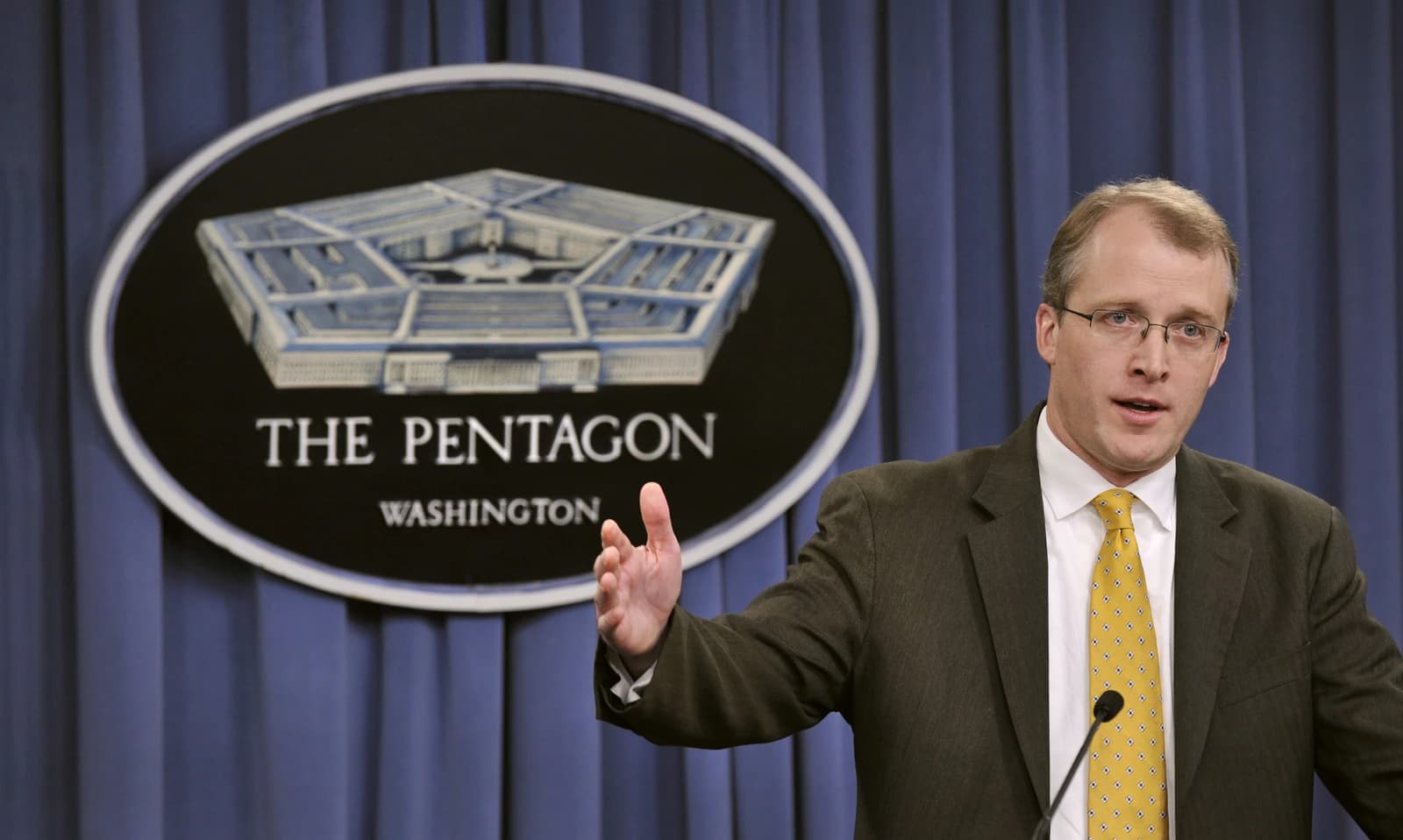
That matters far beyond a single planning mistake. In modern warfare, intelligence errors do not just risk embarrassment; they can trigger escalation, miscalculation and, in the worst case, direct conflict between major powers. A false conclusion that a vessel was carrying nuclear-weapons components reportedly sent U.S. officials into operational planning before the mistake was caught, underscoring why verification remains the real moat in military AI, not automation alone.
Sentiment IndicatorsⓘProprietary · adalytica.com · September 21, 2026
This is a snapshot — live sentiment, awareness and momentum for 130+ markets update continuously in the dashboard.Open AlphaPulse

The Defense Department said it remains committed to “rigorous verification” of intelligence and the “responsible integration” of emerging technologies, while declining to comment on any specific report or operational plan. That language is important because it shows Washington is not backing away from AI in defense, even after a scare that, according to CNN sources, was “completely false” and nearly “started a war.”
The episode arrives as the Trump administration is pushing the Pentagon to move faster, not slower, on artificial intelligence. Defense Secretary Pete Hegseth has cast AI as central to future combat readiness, promising to remove bureaucratic barriers and make the military a force that “prioritizes AI in all domains.” That push is exactly why the latest report matters: the more AI gets embedded into defense decision-making, the more investors and policymakers will focus on guardrails, auditing and human review.
Artificial Intelligence — 30-day sentimentadalytica.com
Explore this data interactively — full history, time series and cross-market comparisons.Open AlphaPulse
For investors, the story is less about one bad chatbot answer than about the next phase of the AI trade. Defense adoption remains a powerful long-term theme, but this kind of incident could sharpen scrutiny of firms selling AI software, data tools and decision-support systems to governments. That is especially relevant for companies like Microsoft and Nvidia, which sit near the center of the AI stack and have already warned in filings that AI misuse, flaws and regulation could create reputational and legal risk.
Nvidia shares have been resilient, recently trading around $227.35, above its 50-day moving average of about $214 and well above its 200-day average near $198, while Microsoft was around $499.45, also above its 50-day average near $466 and 200-day average near $430. Those levels show the market still expects AI spending to keep compounding. But they also show how much optimism is already built in, which means any sign of tightening rules or slower adoption can hit sentiment even when the long-term demand picture remains intact.
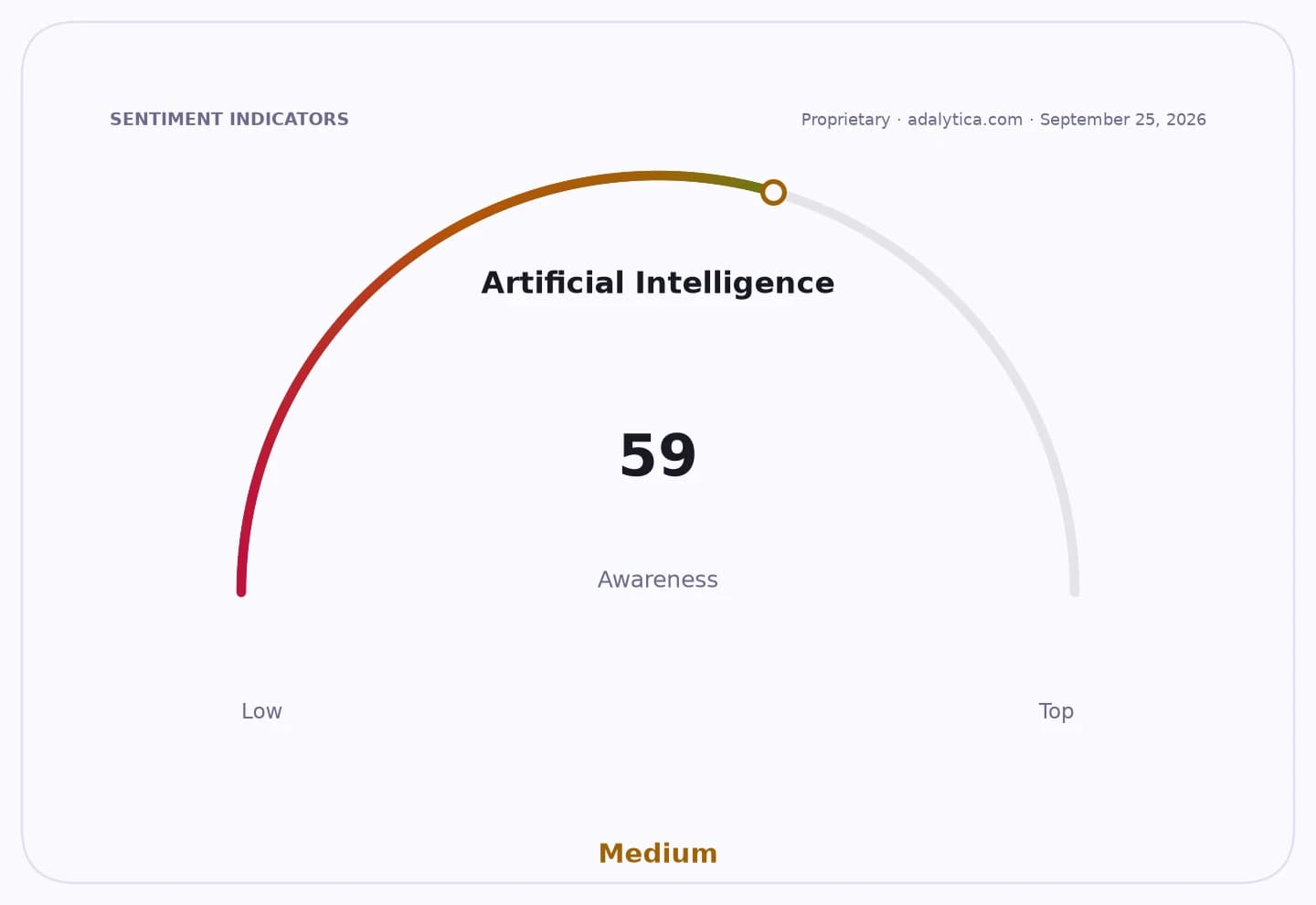
Adalytica’s AI sentiment gauge is in “Fear” at 26, while awareness remains elevated at 78, a sign that investors are paying close attention to the technology’s upside and its failure modes at the same time. In other words, the market still wants the AI growth story, but it is becoming less willing to ignore the verification problem.
That is the real narrative here: AI is moving from experiment to mission-critical infrastructure, and mission-critical systems demand redundancy, scrutiny and accountability. For long-term investors, that does not weaken the AI theme so much as refine it. The winners will be the companies that can prove their systems are accurate, auditable and safe enough for institutions that cannot afford mistakes. That makes the sector worth watching closely, and for patient investors, worth owning selectively over years rather than chasing every headline.
| Entity | Gains | Losses |
|---|---|---|
| Pentagon / U.S. military | ▲Faster AI adoption with safeguards | ▼Credibility after a verification lapse |
| AI software and defense tech vendors | ▲Demand for audit and verification tools | ▼Scrutiny over reliability and oversight |
| Microsoft | ▲Long-term AI platform relevance | ▼Reputational risk from AI misuse concerns |
| Nvidia | ▲Continued AI infrastructure spending | ▼Any slowdown from tighter defense scrutiny |