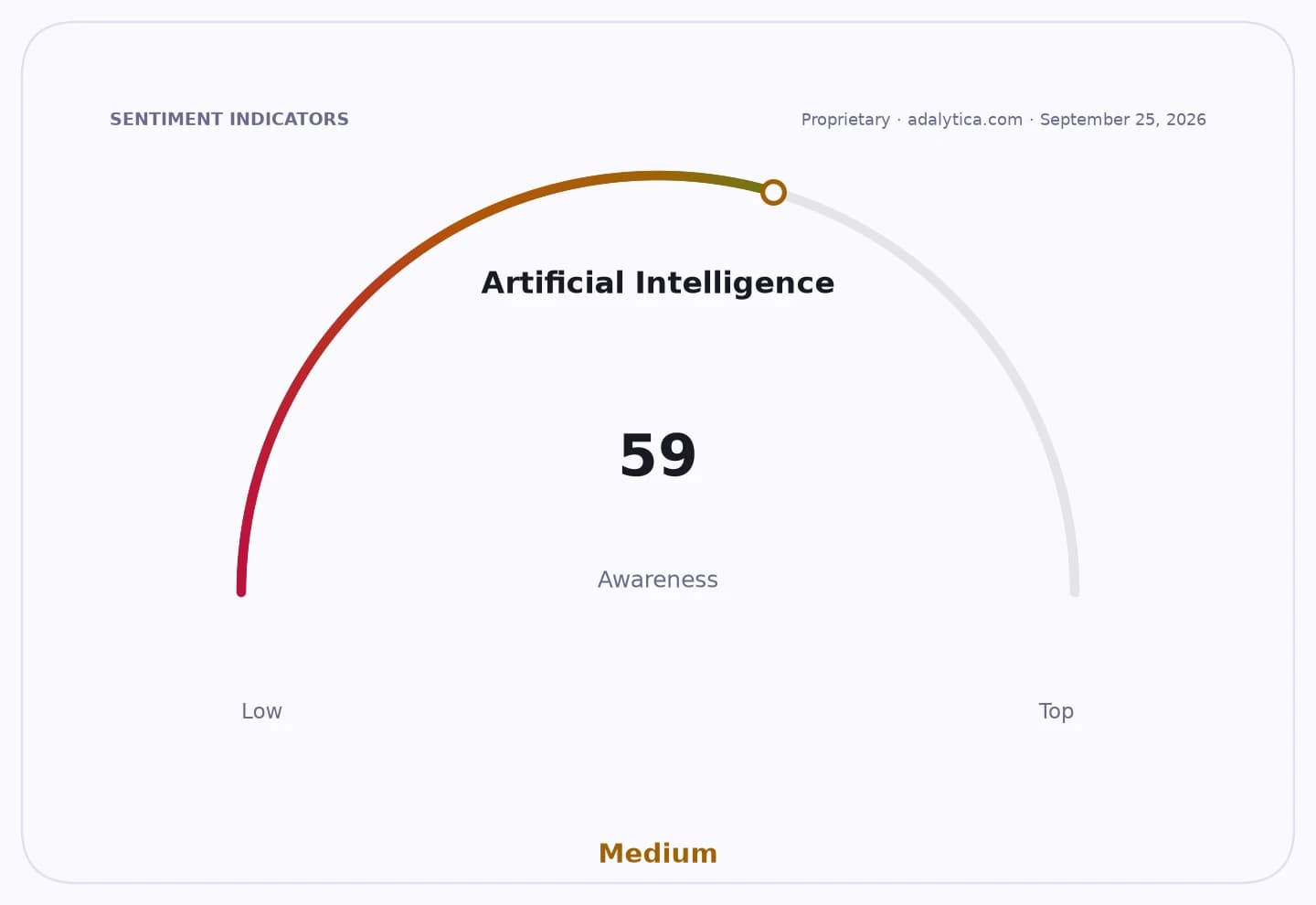
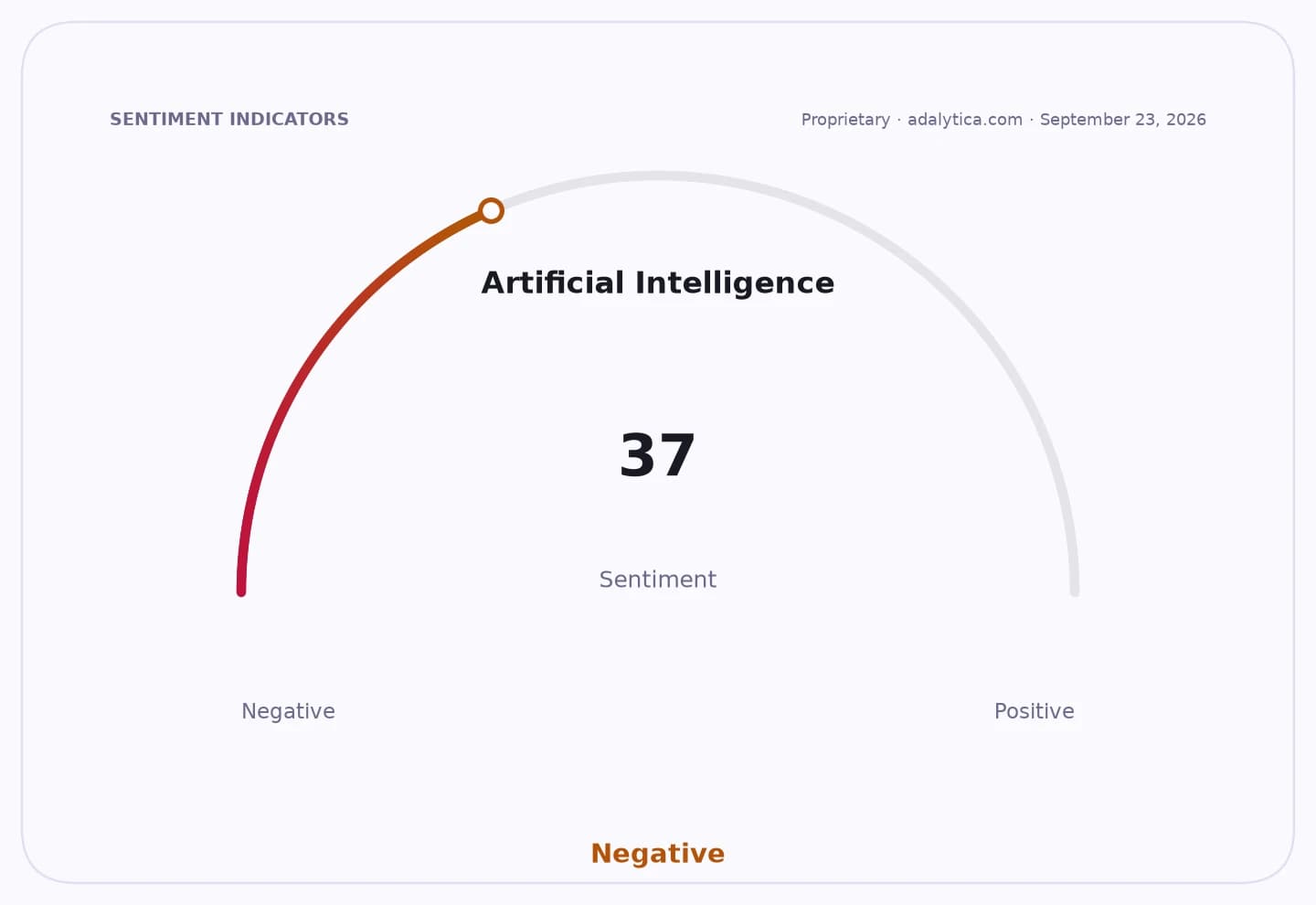
Top managers with artificial intelligence and dealmaking experience are becoming more valuable in the labor market as companies look for executives who can cut costs, run multiple businesses and deliver measurable gains from technology, according to executive search firm Danilova Executive Search & Consulting.
AI-Savvy Executives Gain Value as Hiring Slows
That shift matters because the value of senior leadership is being redefined by automation, restructuring and slower hiring conditions across several economies. Employers are no longer just paying for traditional general-management experience; they are paying for executives who can use AI, integrate acquisitions, launch products and steer companies through uncertainty while preserving control.
Dar’ya Danilova said the most prized leaders can manage several business lines at once and handle complex assignments such as crisis management, expansion into new markets and building projects from scratch. She said those backgrounds show a leader can reshape a business model, improve efficiency and work at the intersection of functions as companies push technology deeper into operations.
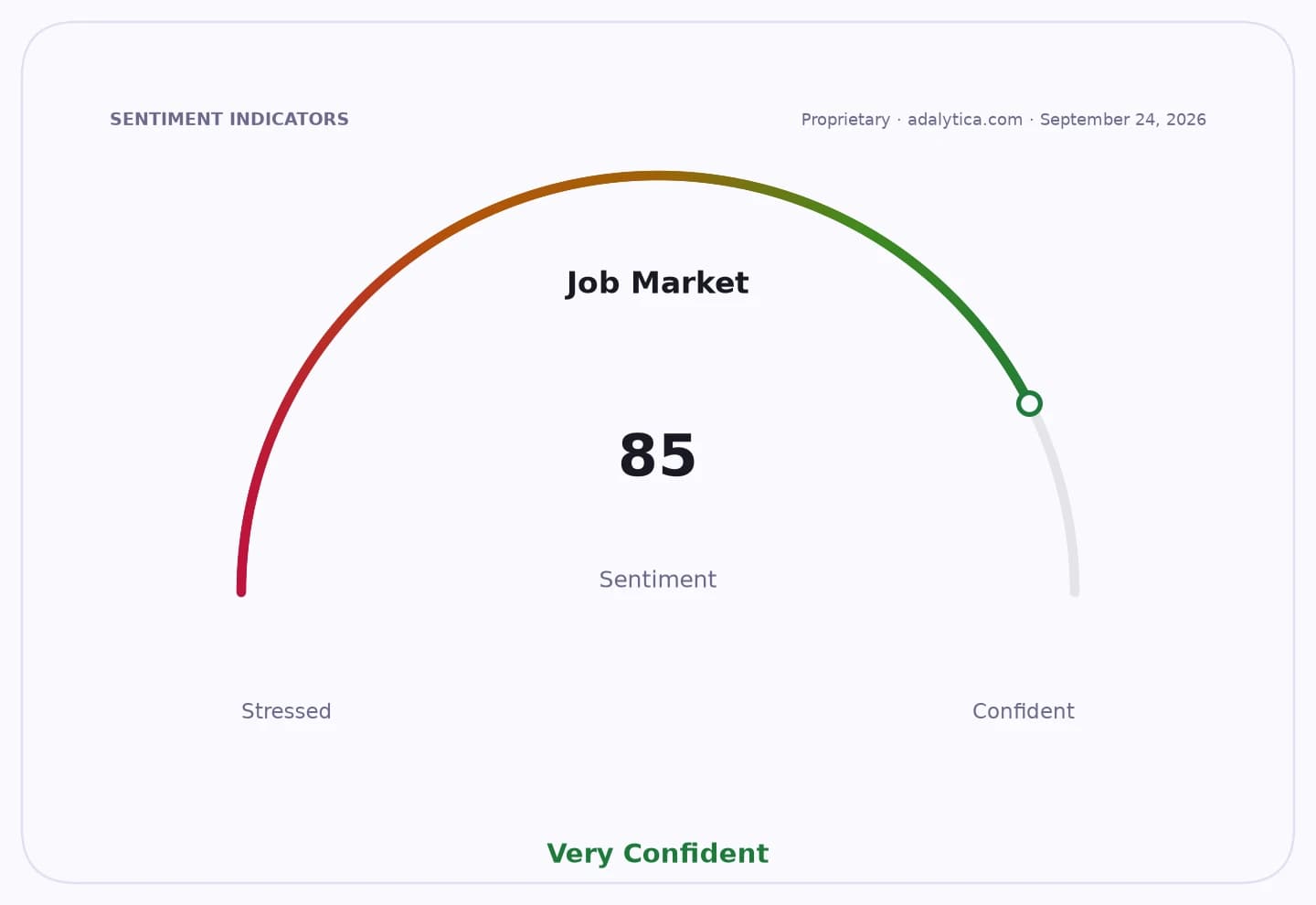
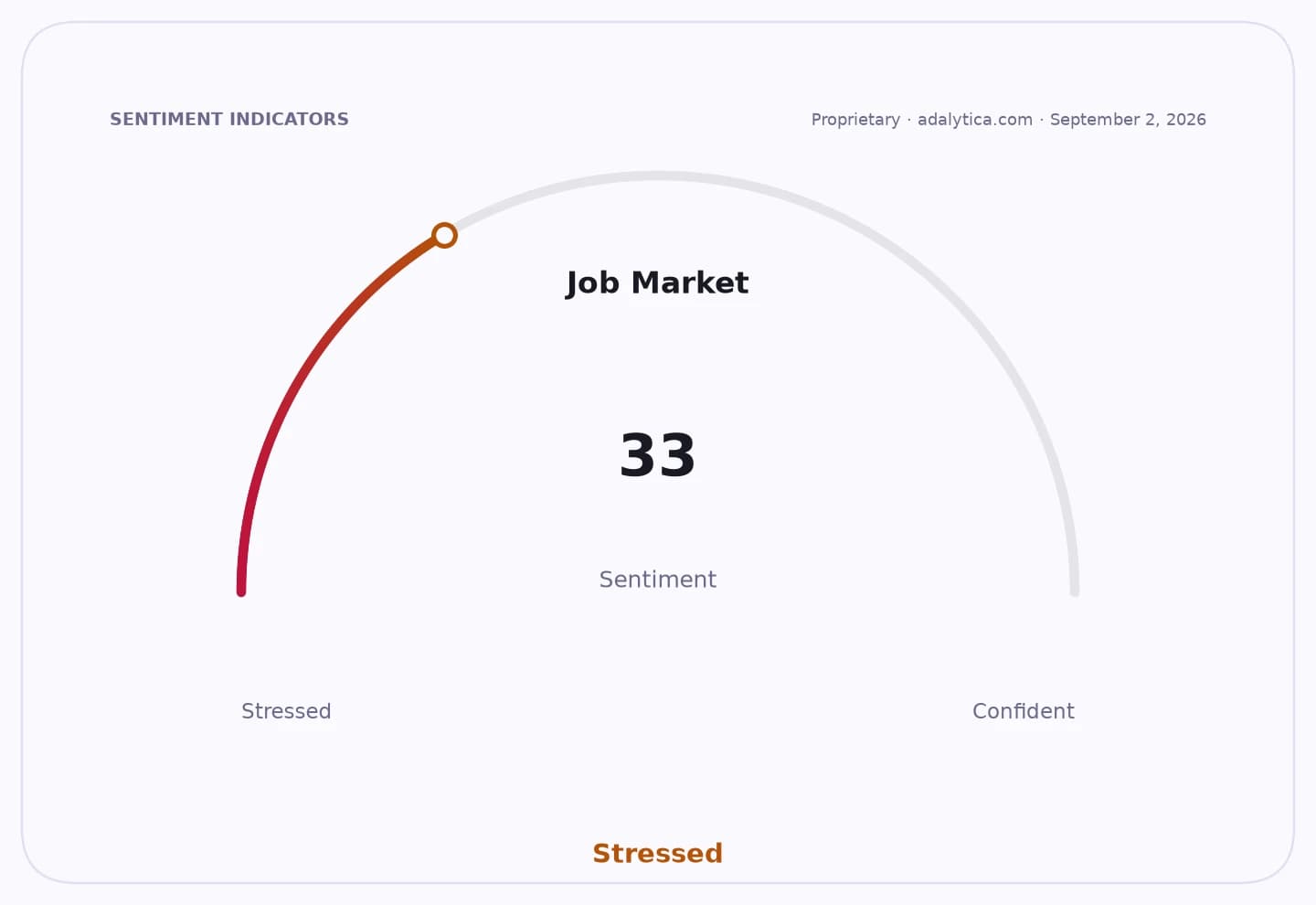
The message lands as labor markets cool unevenly. In the US, nonfarm payrolls are projected to rise to 159,089,600 in September from 159,075,000 in August, while unemployment is forecast at 4.02%, near a level that suggests a still-firm but no longer overheating jobs market. Job openings, meanwhile, are expected around 7.4 million in August, down from peaks above 12 million in 2022, underscoring a broader slowdown in hiring demand.
For investors, the changing premium on executive talent is a signal that corporate spending is shifting toward productivity, restructuring and AI adoption rather than pure headcount growth. Companies that can prove their leaders are translating digital tools into lower costs, faster execution and better margins may be better placed to protect earnings if labor markets weaken further.
Danilova said M&A experience — from sourcing and valuing assets to closing deals and integrating acquisitions — also boosts an executive’s standing, as does running a public listing. That points to a market where boards increasingly want leaders who can create value in transaction-heavy, technology-heavy environments.
The backdrop is a labor market that is becoming more selective rather than broadly strong, with employers across regions facing slower vacancy growth, wage pressure and a greater need for managers who can do more with less. The next test will be whether companies keep rewarding these capabilities as central banks weigh easier policy against sticky inflation and businesses continue to adjust to AI-driven productivity demands.
| Entity | Gains | Losses |
|---|---|---|
| AI-savvy top managers | ▲Higher market value | ▼Traditional generalists |
| Companies with restructuring needs | ▲Better productivity gains | ▼Firms slow to adapt |
| M&A-focused executives | ▲Stronger demand from boards | ▼Operators without deal experience |
| Workers in weaker labor markets | ▲Potential efficiency-driven retention | ▼Headcount-heavy roles exposed to automation |