Healthcare’s push to use artificial intelligence to cut administrative work is becoming an operational story, not just a technology one, as hospitals and insurers look for a way to ease staffing pressure, accelerate reimbursement and protect margins in a system still weighed down by paperwork.
AI Automation Could Improve Healthcare Margins
The economic case is straightforward: administration is one of the most expensive friction points in US healthcare, and even modest automation gains can improve throughput, reduce denial-related costs and free clinicians to spend more time on billable care. That matters in a sector where labor remains the largest expense and where payers and providers are both under pressure to do more with less.
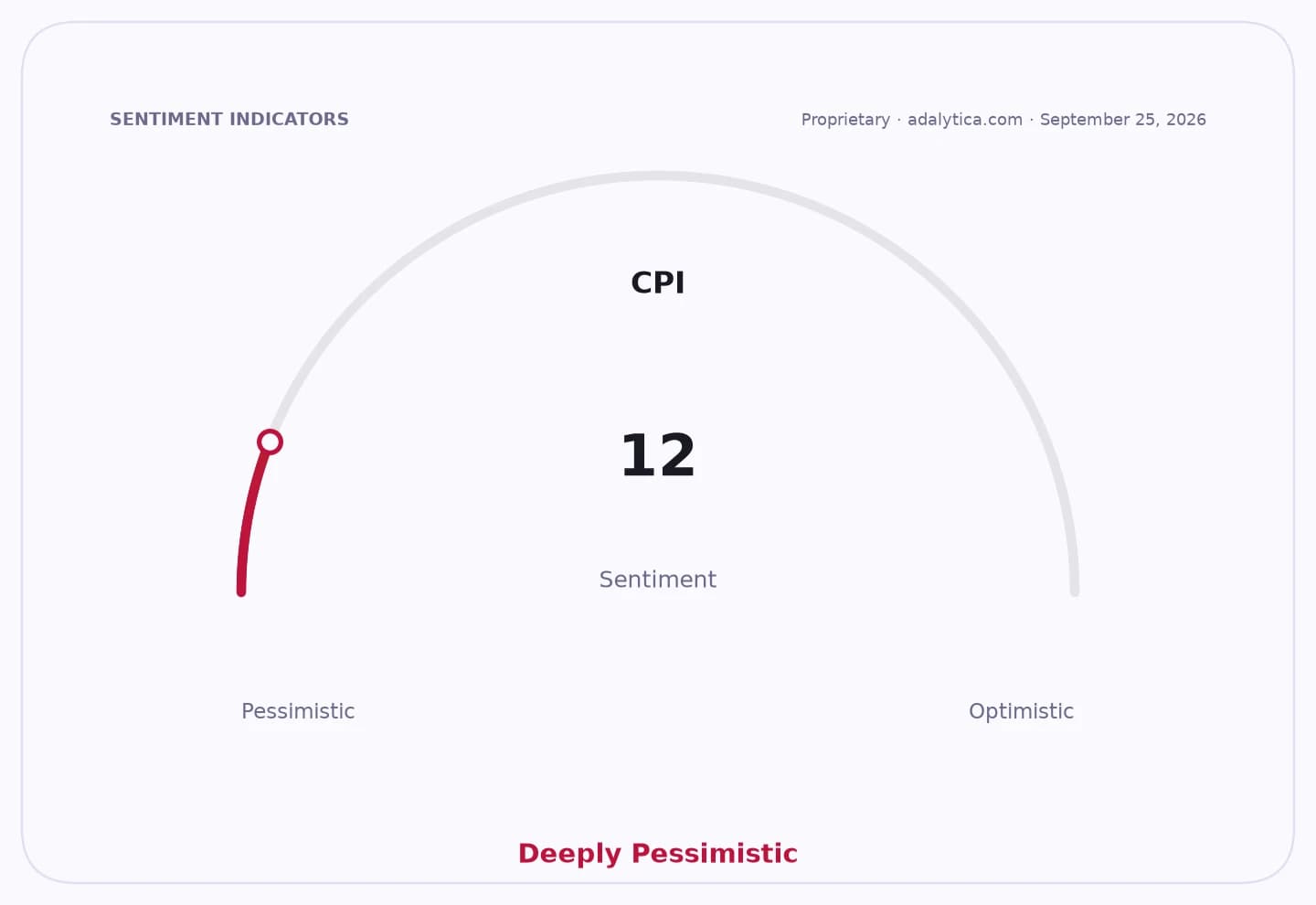
Sentiment IndicatorsⓘProprietary · adalytica.com · July 27, 2026
This is a snapshot — live sentiment, awareness and momentum for 130+ markets update continuously in the dashboard.Open AlphaPulse
The market backdrop underscores why investors are paying attention. HCA Healthcare, one of the clearest proxies for provider economics, has held up better than the broader sector even after a sharp spring drawdown, with the stock closing at $387.77 on July 27 versus $391.7 on Sept. 10, 2025, and still trading far below its 2026 peak above $540. The shares have also steadied near their 50-day moving average, while momentum indicators such as RSI and MACD have recovered from deeply oversold readings in June, suggesting investors are beginning to price in a more stable earnings path if administrative efficiencies stick.
UnitedHealth Group tells a similar but more complicated story. The stock was at $418.79 on July 27, rebounding from a January trough near $279 but still below its summer highs above $430. That pattern reflects a market that is willing to reward cost discipline and operational recovery, but only if the company can show that technology investments translate into cleaner claims processing, lower medical-management overhead and less volatility in margins.
That is the core investment question around AI automation in healthcare: whether the technology becomes a real expense-offsetting tool or remains a pilot program that adds cost before it saves it. Bullish investors see a durable lever that can improve earnings quality across providers, insurers and vendors selling workflow software, billing tools and ambient documentation products. The bear case is that implementation remains fragmented, regulated workflows are hard to automate, and savings are slow to materialize while compliance risk rises.
The broader macro signal is also notable. Adalytica’s healthcare spending sentiment has improved to neutral from recent lows, but it remains well below earlier peaks, while consumer spending sentiment sits in fear territory and broader equity trade signals are in extreme fear. In that environment, healthcare automation has an obvious appeal: it is a productivity story in a defensive sector, with potential to support profit growth even if reimbursement, utilization or labor trends soften.
The next phase for investors will be less about AI headlines and more about measurable operating gains: lower administrative expense ratios, faster claims cycles, reduced denial rates and evidence that hospitals can scale automation without disrupting care delivery. If those metrics improve, AI could move from a strategic talking point to one of healthcare’s most important margin drivers. If not, the sector risks another cycle of expensive promises and limited execution.
| Entity | Gains | Losses |
|---|---|---|
| Hospitals / providers | ▲Lower admin costs | ▼Workflow disruption risk |
| Insurers / payers | ▲Faster claims processing | ▼Higher implementation costs |
| AI vendors / software firms | ▲New demand | ▼Scrutiny over ROI |
| Clinicians / patients | ▲Less paperwork | ▼Transition friction |