Companies that cut jobs in the name of artificial intelligence are hiring again, underscoring a shift from AI as a pure cost-cutting tool to AI as a new labor-demand engine for workers who can deploy it.
AI Hiring Rotation Supports Higher-for-Longer Rates

That matters for the macro trade. The early market story around generative AI was margin expansion: fewer employees, higher productivity, richer equity multiples and lower inflation risk over time. The emerging story is more complicated. AI is displacing some roles while creating demand for younger, cheaper and more technical workers who can turn models into products, sales tools, code and customer systems. For investors, that points to a labor-market rotation rather than a clean productivity shock.
Sentiment Indicators
The U.S. data support that interpretation. Job openings were 7.59 million in May and are forecast to rise to about 7.66 million in June, up from 6.89 million in March. The unemployment rate slipped to 4.2% in June from 4.3% in April and May, with forecasts pointing only marginally lower. That is not the profile of an economy where AI-driven layoffs are overwhelming hiring demand.
The composition of hiring is changing faster than the headline labor data. Clay Bavor, co-founder of AI startup Sierra, has pointed to employees barely in their twenties creating substantial value by mastering AI tools despite limited experience. Mistral AI co-founder Arthur Mensch has framed the same technology as a chance for France to regain technological influence. The common thread is that AI is becoming a skills premium, rewarding companies and workers able to combine model fluency with commercial execution.
JTSJOL vs UNRATE — macro contextadalytica.com
Explore this data interactively — full history, time series and cross-market comparisons.

For the Federal Reserve, the risk is that AI does not immediately deliver the disinflationary labor slack some investors expected. A stable unemployment rate and rising vacancies reduce the urgency for aggressive rate cuts, especially if companies continue to spend on AI infrastructure, data centers and talent. That keeps pressure on front-end rate expectations and supports a higher-for-longer bias unless inflation softens decisively.
For currencies, a resilient U.S. labor market helps the dollar by preserving the yield advantage embedded in U.S. assets. For commodities, the AI rehiring cycle is also tied to physical demand: data centers, chips, power grids and cooling systems require electricity, copper and industrial inputs. AI may be digital, but the investment cycle behind it is increasingly tangible.
Equity investors are already separating winners from crowded trades. Meta closed at $669.21 on July 10, above its 50-day and 200-day moving averages, with conventional RSI readings near 69 showing strong momentum. Microsoft, by contrast, closed at $385.10, below both its 50-day and 200-day moving averages, while Alphabet ended at $357.18, below its 50-day average but still above its 200-day trend. The market is no longer buying every AI story equally.
Corporate filings show why. Microsoft and Meta have both warned investors that AI brings regulatory, ethical, competitive and execution risks. Meta has also said it may not succeed in its AI initiatives despite heavy investment. Those disclosures matter because rehiring after layoffs can cut both ways: it may signal renewed growth opportunities, or it may show that earlier efficiency assumptions were too optimistic.
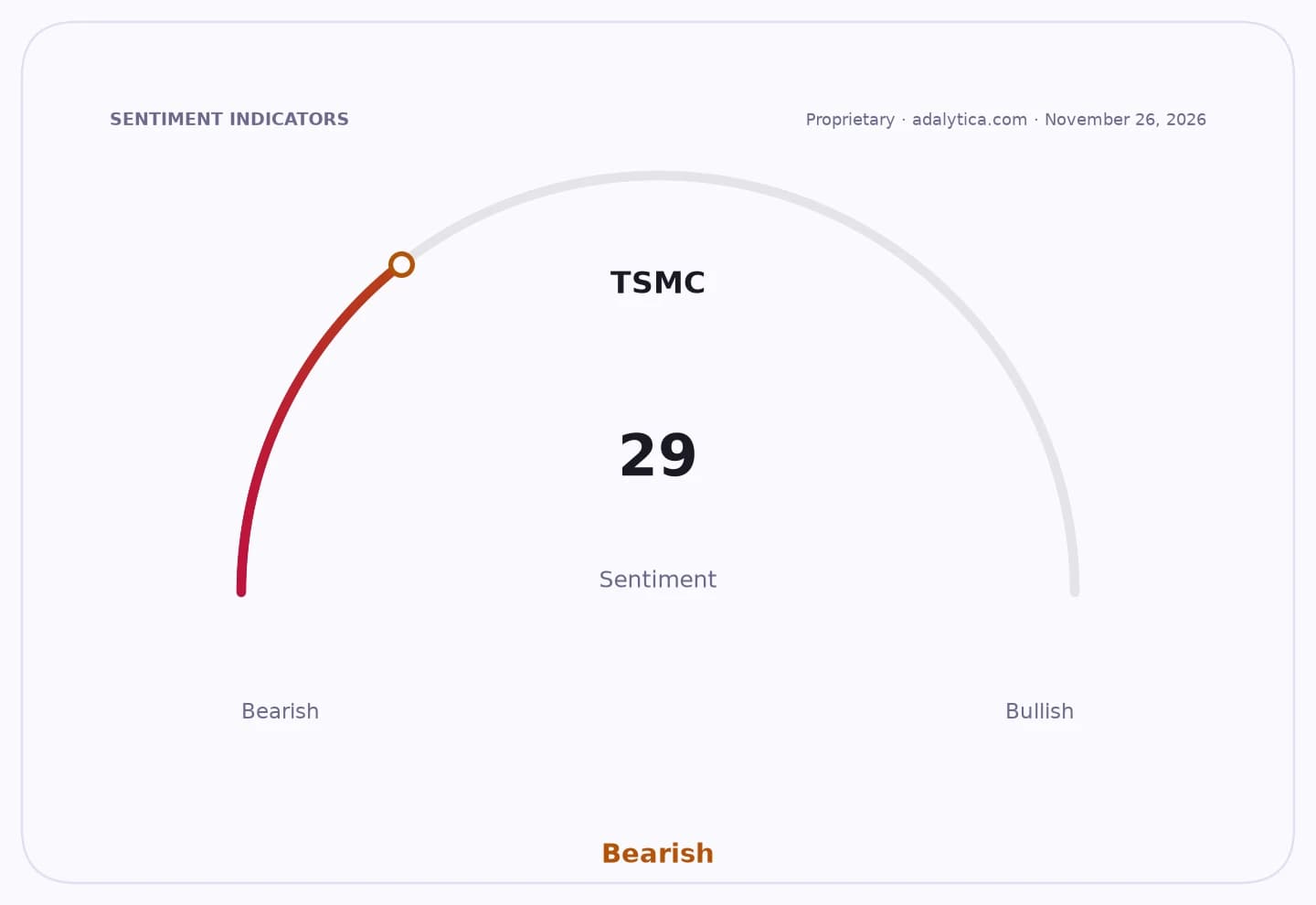
Adalytica.com’s proprietary job-market sentiment gauge has fallen to “Extreme Fear,” while payroll sentiment is neutral with very low awareness. That divergence captures the market tension: investors see a tight enough labor market to challenge rate-cut hopes, but they are not yet treating AI-related hiring as a broad employment boom.
The next phase of the AI trade will be judged less by layoff headlines and more by whether companies can convert smaller, more AI-literate teams into revenue growth. If they can, the macro regime favors resilient growth, firmer yields, a supported dollar, demand for power and industrial inputs, and selective exposure to AI platforms and infrastructure. If they cannot, rehiring becomes a margin headwind rather than a productivity dividend.
| Entity | Gains | Losses |
|---|---|---|
| AI-skilled workers | ▲Stronger bargaining power | ▼Routine roles displaced |
| Profitable AI platforms | ▲Revenue leverage | ▼Margin-only AI narratives |
| Fed hawks | ▲Resilient labor evidence | ▼Aggressive cut bets |
| Power and infrastructure suppliers | ▲Data-center demand | ▼Labor-light deflation trades |