AI is not replacing the job hunt so much as making it more frustrating, more automated and, in many cases, less effective — and that matters because a broken hiring process can deepen labor-market weakness even when the headline unemployment rate still looks manageable.
AI hiring tools frustrate job seekers and employers
What’s emerging is a feedback loop. Job seekers believe companies are screening résumés with artificial intelligence, so they use AI tools to keyword-stuff applications and tailor documents for machines. Employers, faced with piles of nearly identical applications, respond by leaning harder on automated ranking systems. The result is less trust on both sides, more noise, and fewer meaningful matches between workers and open roles.
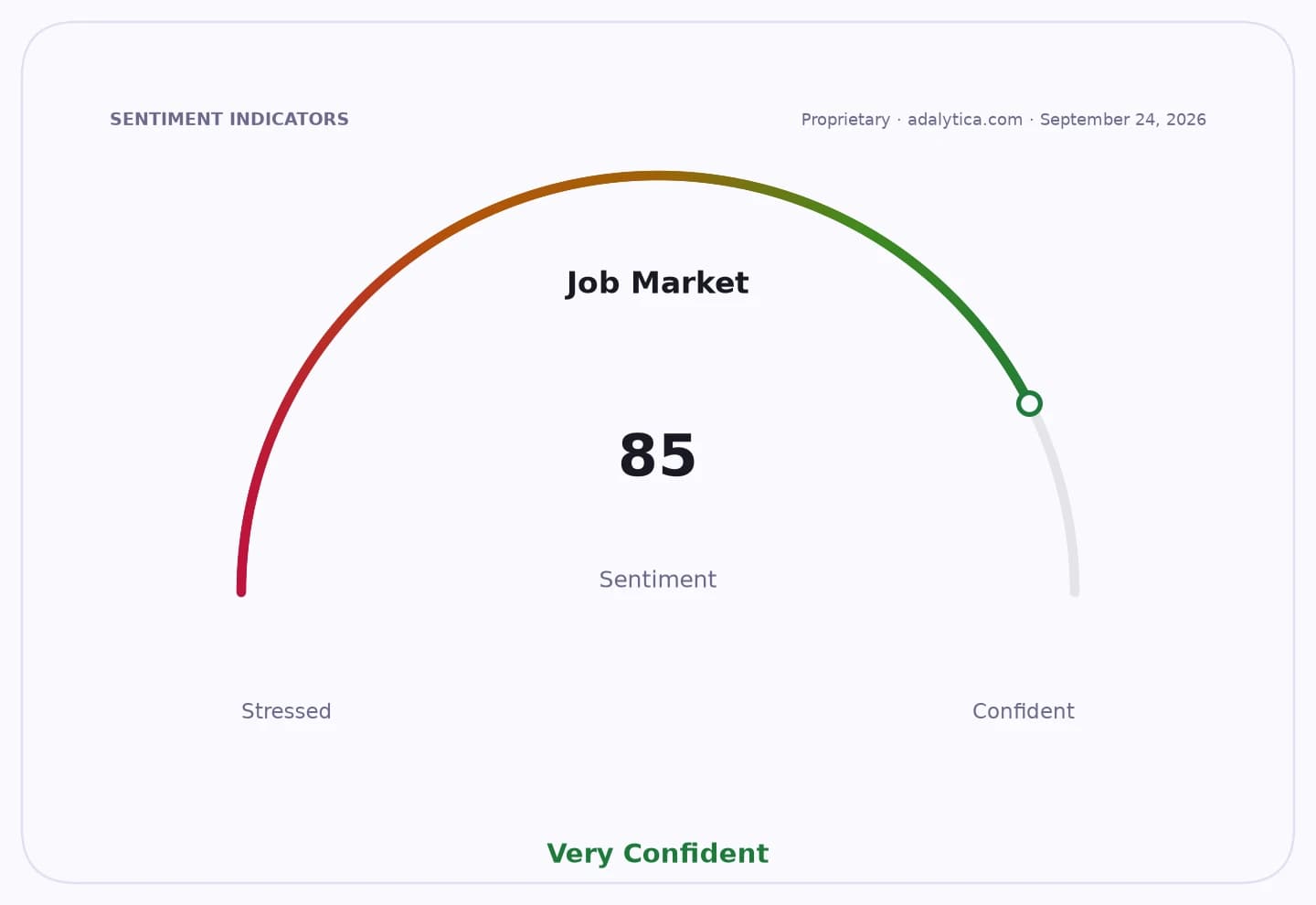
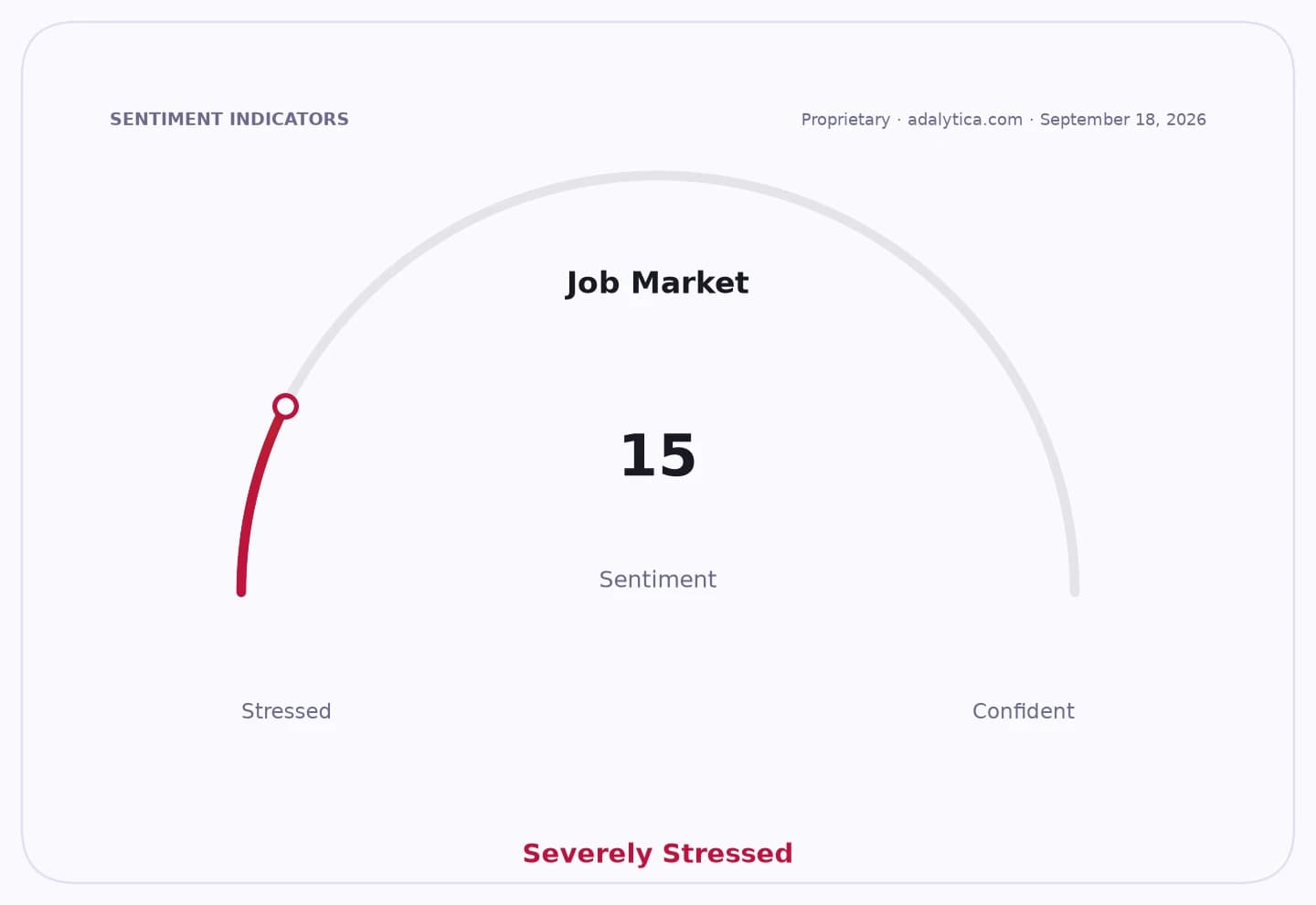
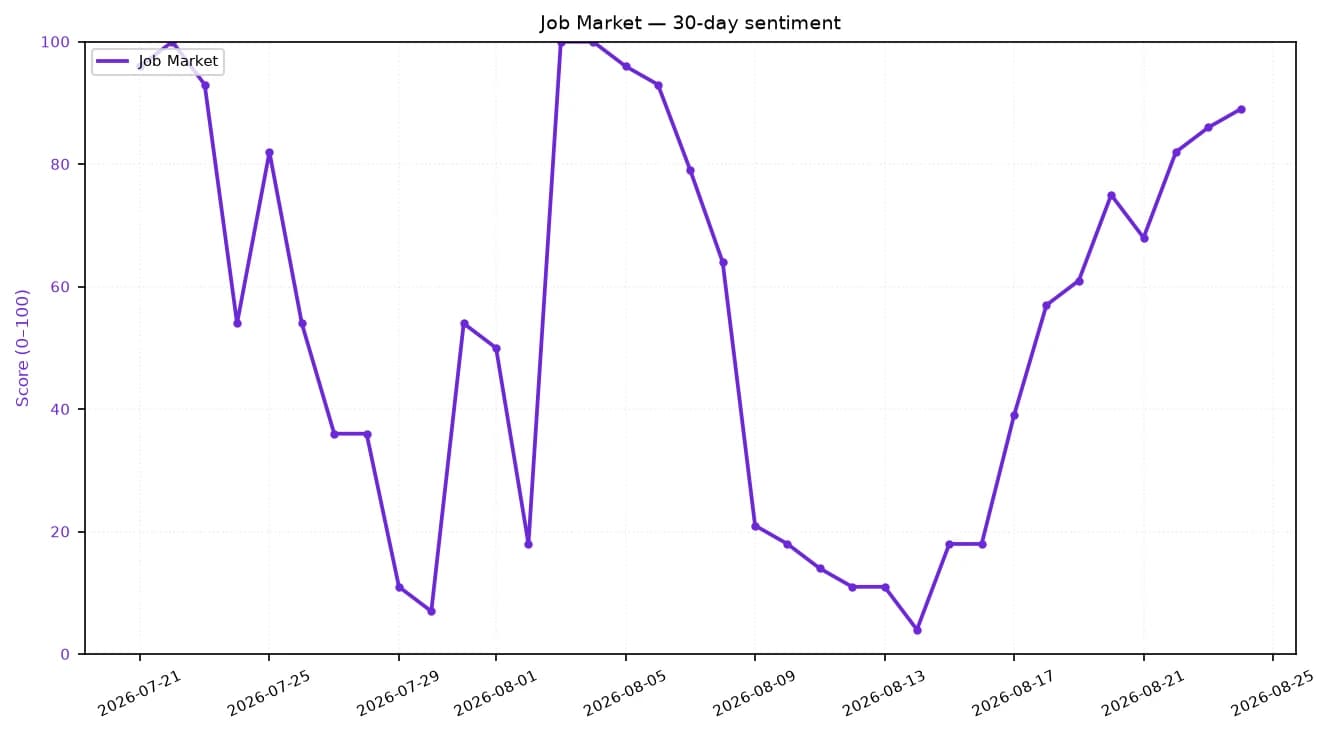
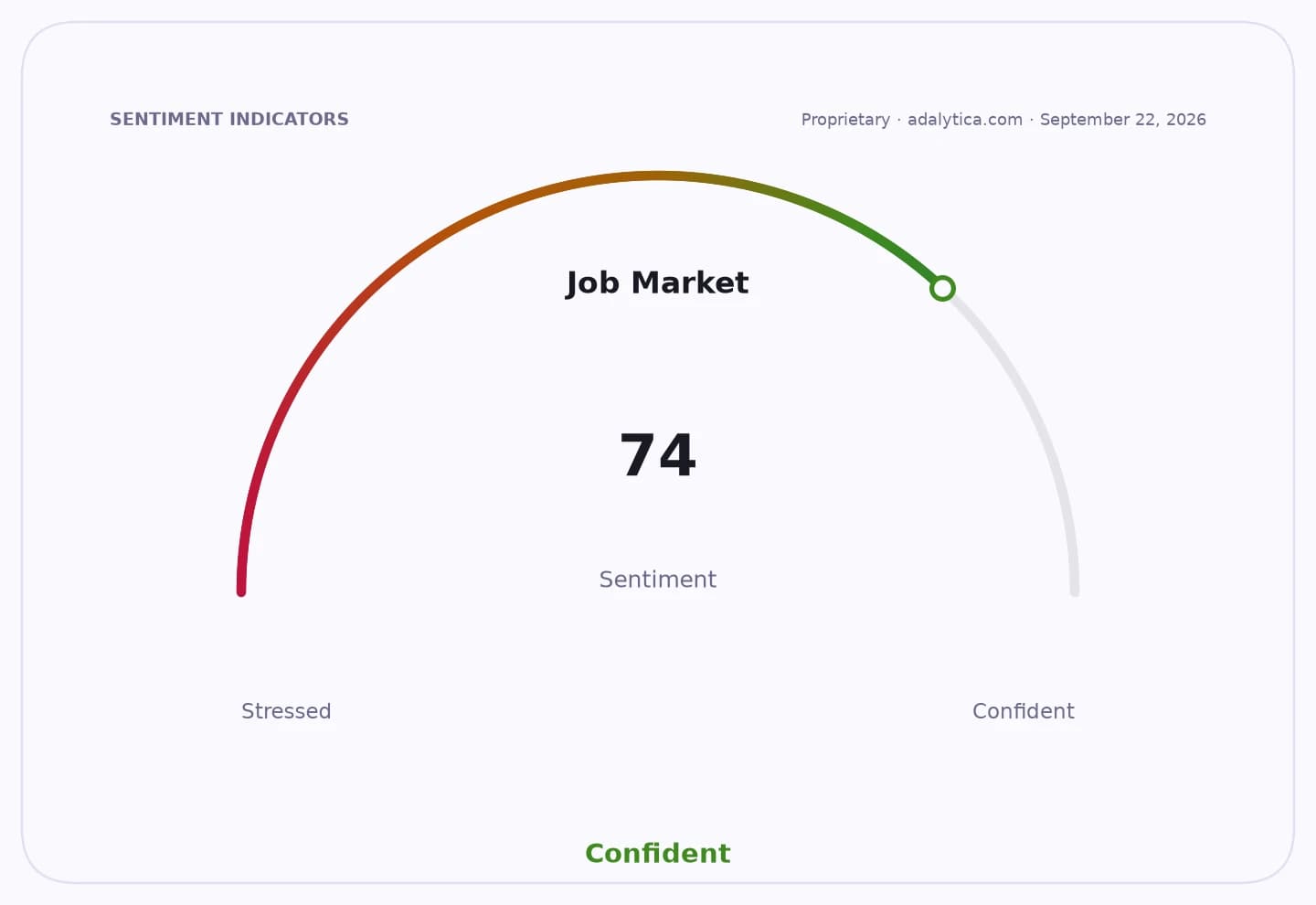
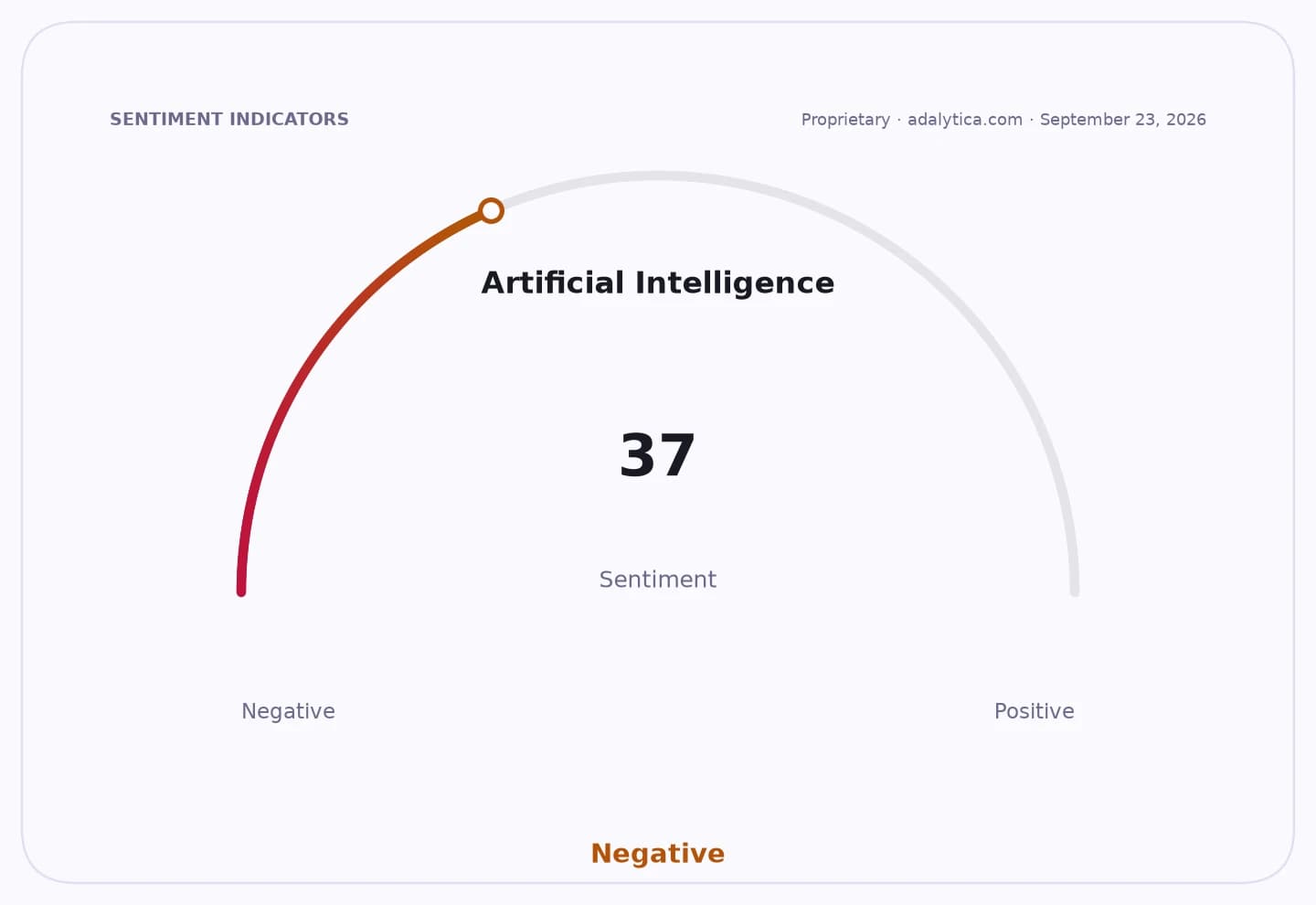
Sentiment IndicatorsⓘProprietary · adalytica.com · September 4, 2026
This is a snapshot — live sentiment, awareness and momentum for 130+ markets update continuously in the dashboard.Open AlphaPulse
That matters economically because hiring is the transmission mechanism between corporate demand and household income. If employers and applicants spend more time talking to software than to each other, the market becomes slower and less efficient. The U.S. jobless rate was 4.1% in August, according to the data in the context, and payrolls are still growing, but job openings have drifted from the post-pandemic surge to around 7.3 million in July from more than 12 million at the peak in 2022. That is still a large labor market, but it is no longer one where workers can assume every opening will be straightforward to fill or every application will be seen.
For investors, the bigger issue is what this does to wage growth, consumer spending and the pace of hiring across the economy. A job market that feels opaque tends to make workers cautious and employers hesitant. That can weigh on discretionary spending, slow labor mobility and keep businesses from getting the talent they need. It also creates a very specific opportunity for companies that can help restore trust, improve matching and reduce friction in recruitment, payroll and workforce management.
The story is not that AI is eliminating jobs in a clean, cinematic way. It is that AI is amplifying the worst habits of the hiring system. Candidates are spending hours applying to roles, then hearing nothing. Employers are receiving floods of nearly identical résumés and using automated filters to cope. One recruiter described getting interviews and an offer despite poor ATS scores, while another company said its eventual hires would not even have made the AI short list. That is the real economic risk: automation that is supposed to streamline labor markets can instead make them more brittle.
There is also a market angle for the software companies sitting in the middle of this process. Microsoft, Alphabet and Amazon are all pouring capital into AI infrastructure, and their stocks have been volatile as investors try to balance long-term growth against near-term margin pressure. Microsoft’s latest technical readings show the stock back near $500 after a sharp summer swing, while Alphabet and Amazon have also bounced around as investors reassess AI spending. But the hiring mess is a reminder that the next phase of AI adoption may be less about replacing people and more about selling tools that help humans sort signal from noise. That is where the durable economics may live.
For long-term investors, the takeaway is simple: AI in hiring is still an early, messy experiment, not a finished revolution. The companies most likely to win are the ones that make labor markets more trustworthy, not more automated for automation’s sake. That keeps enterprise software, human resources technology and workflow platforms worth watching, while reminding investors that the best AI businesses may be those that preserve human judgment rather than try to erase it. In a market this noisy, the winners will be the firms that reduce the doom loop, not feed it.
| Entity | Gains | Losses |
|---|---|---|
| Job seekers using AI tools | ▲Faster application tailoring | ▼More noise, lower response rates |
| Employers using ATS screening | ▲Quicker résumé culling | ▼Worse candidate matches |
| HR software vendors | ▲Higher demand for automation | ▼Trust in their systems |
| Workers and the economy | ▲Better tools if friction falls | ▼Slower, less efficient hiring |