Women are overrepresented in the office and administrative jobs most exposed to artificial intelligence, and that makes the next phase of the AI boom an economic and investing story, not just a technology story.
AI Jobs Risk for Women and Graduates

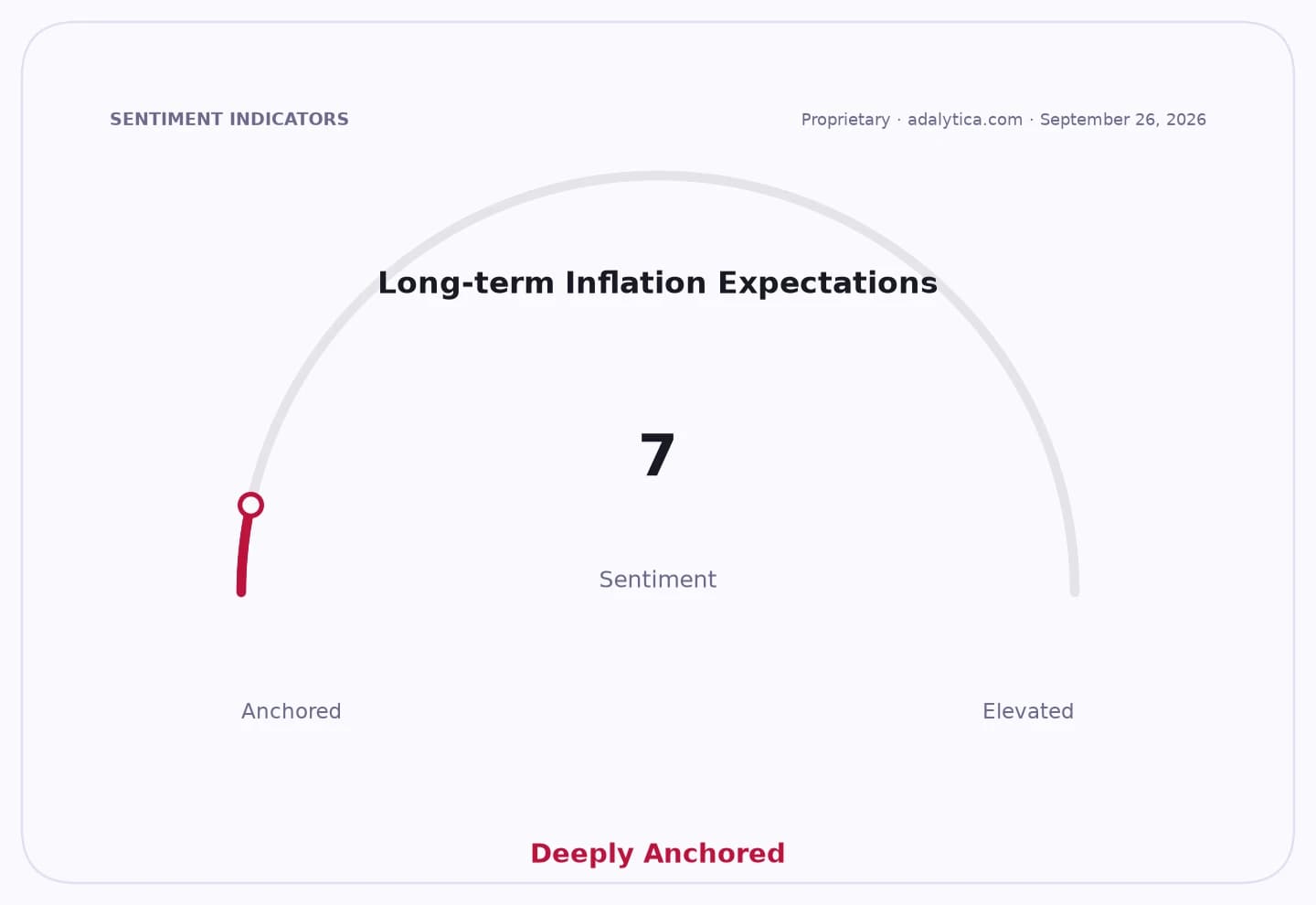
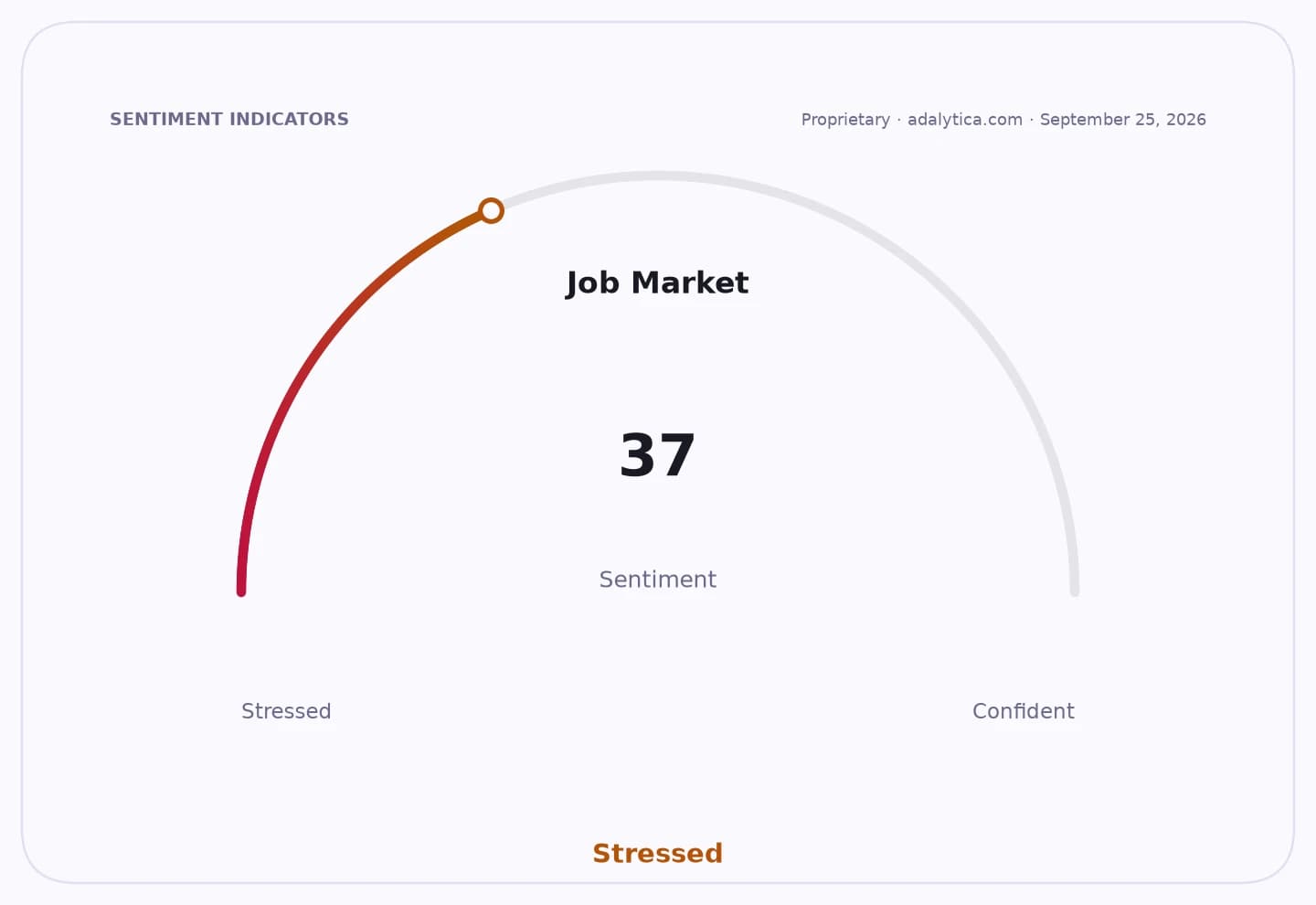
The UK’s warning lands at a moment when companies are already signaling that automation is changing hiring plans. If AI can handle more routine clerical, scheduling and entry-level support work, that could slow wage growth in occupations that have long offered stable paths into the labor force — especially for women and young workers. That matters because the labor market is still tight by historical standards, with the US unemployment rate around 4.1% and job openings holding near 7.4 million, but the mix of jobs is shifting underneath those headline numbers.
Sentiment IndicatorsⓘProprietary · adalytica.com · August 19, 2026
This is a snapshot — live sentiment, awareness and momentum for 130+ markets update continuously in the dashboard.Open AlphaPulse
For investors, the takeaway is more nuanced than “AI destroys jobs.” It is that AI reallocates spending, power and profit pools. Companies that can automate repetitive work should see better productivity and potentially wider margins over time. That is why Microsoft, Nvidia and other AI heavyweights continue to command attention even when shares swing sharply. Microsoft’s stock has rebounded to about $484 after a deep midyear selloff, while Nvidia trades near $218, reflecting both enthusiasm for AI infrastructure and the market’s awareness that the technology is moving from hype to deployment.
Still, the employment risk is real enough to shape policy. The UK has responded with an AI bootcamp aimed at unemployed young people, an acknowledgment that graduates and office workers need more than general digital literacy to stay competitive. The broader warning is that 38% of employers in one survey expect to cut graduate hiring because of automation, which could reduce entry points into the middle class and put pressure on consumption over time.
That is the key investing narrative: AI is not only a capex story for chipmakers and cloud vendors, it is also a labor-market story that can create winners and losers across the economy. Office-heavy sectors may face slower hiring and more scrutiny on headcount, while firms selling automation, training and workflow software stand to benefit from the transition.
Long term, investors should think less about whether AI will take jobs in the abstract and more about which businesses can turn that disruption into durable earnings power. The biggest risk is not a sudden labor-market collapse, but a slow reshaping of career ladders, wages and corporate cost structures. That makes AI one of the most important secular themes to own carefully, with patience and diversification.
| Entity | Gains | Losses |
|---|---|---|
| AI software and chipmakers | ▲Higher demand for automation | ▼Greater scrutiny over job loss |
| Employers using automation | ▲Lower labor costs | ▼More transition risk |
| Office and administrative workers | ▲New upskilling paths | ▼Routine tasks at risk |
| Women and graduates in clerical jobs | ▲Training programs | ▼Highest exposure to displacement |