A sweeping outage that left ChatGPT, Claude, Gemini and Grok unresponsive across more than 70 countries has exposed how dependent the AI boom has become on a handful of fragile cloud and model delivery systems.
AI outage raises resilience concerns for cloud vendors
The failure matters economically because generative AI is moving from a novelty to a production tool embedded in customer service, software development, search and enterprise workflows. When those systems go dark, the immediate cost is lost productivity and service disruption. The bigger issue is that it highlights a concentration risk: a small number of infrastructure providers, model vendors and cloud networks now support a fast-growing share of digital activity.
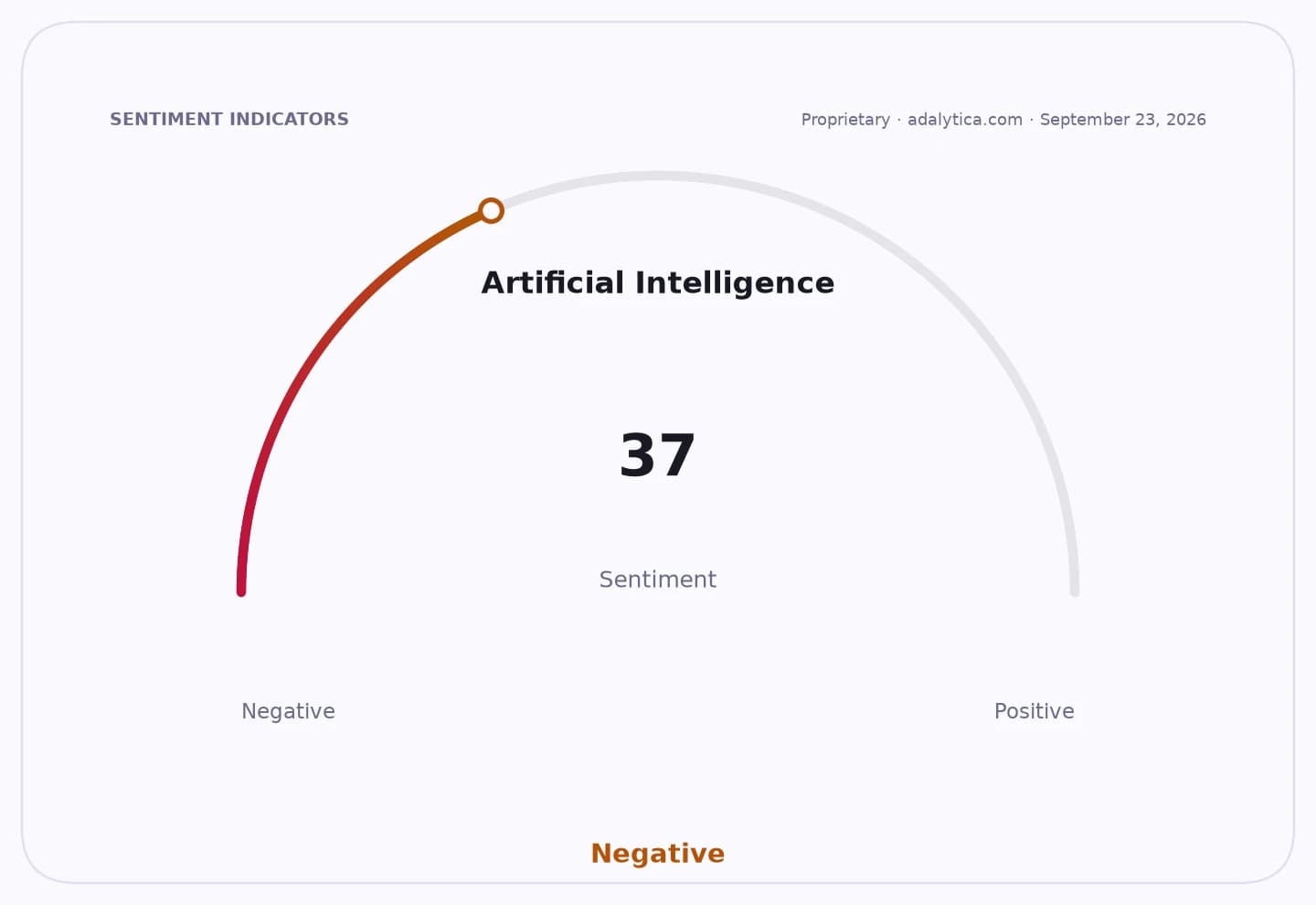
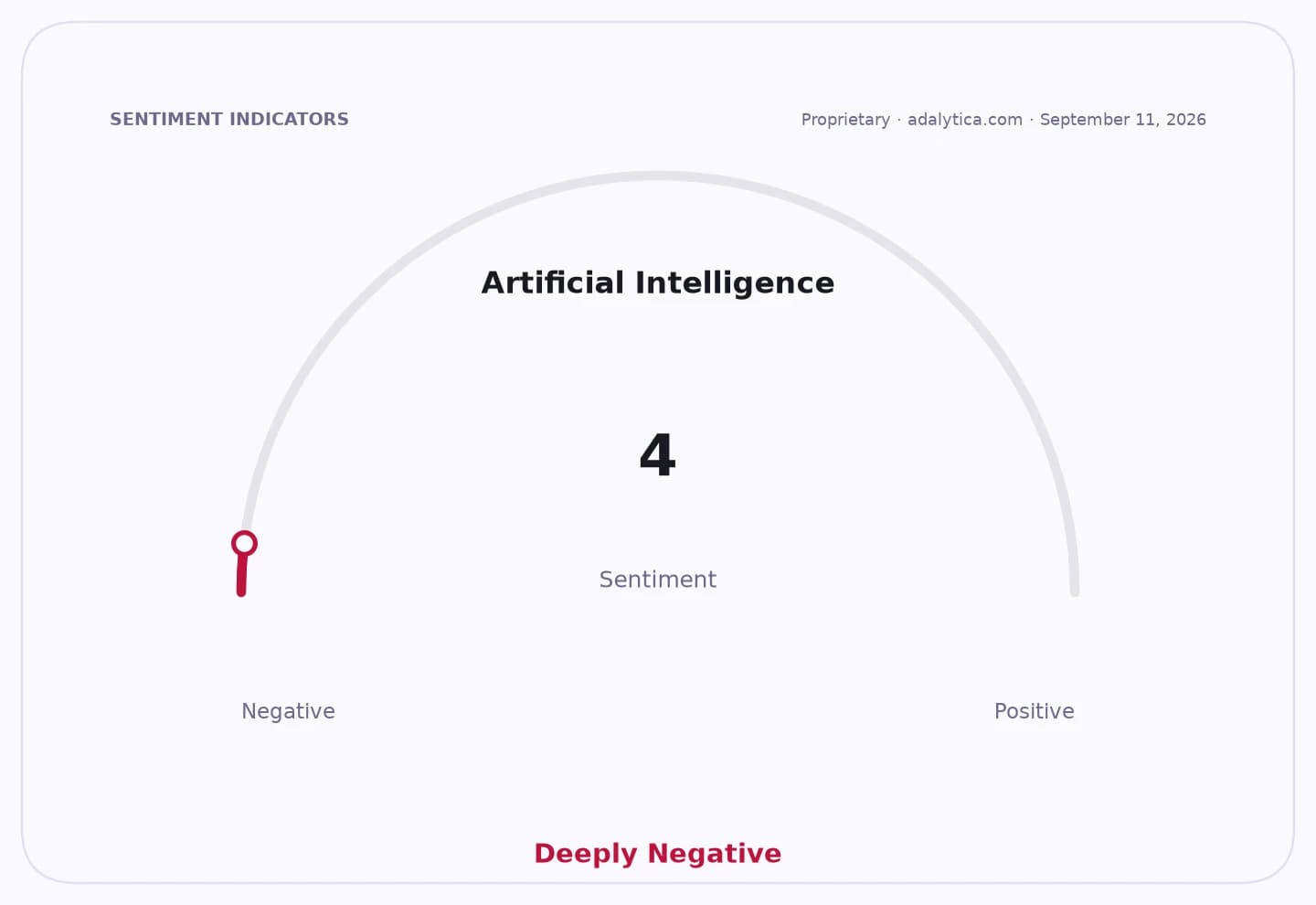
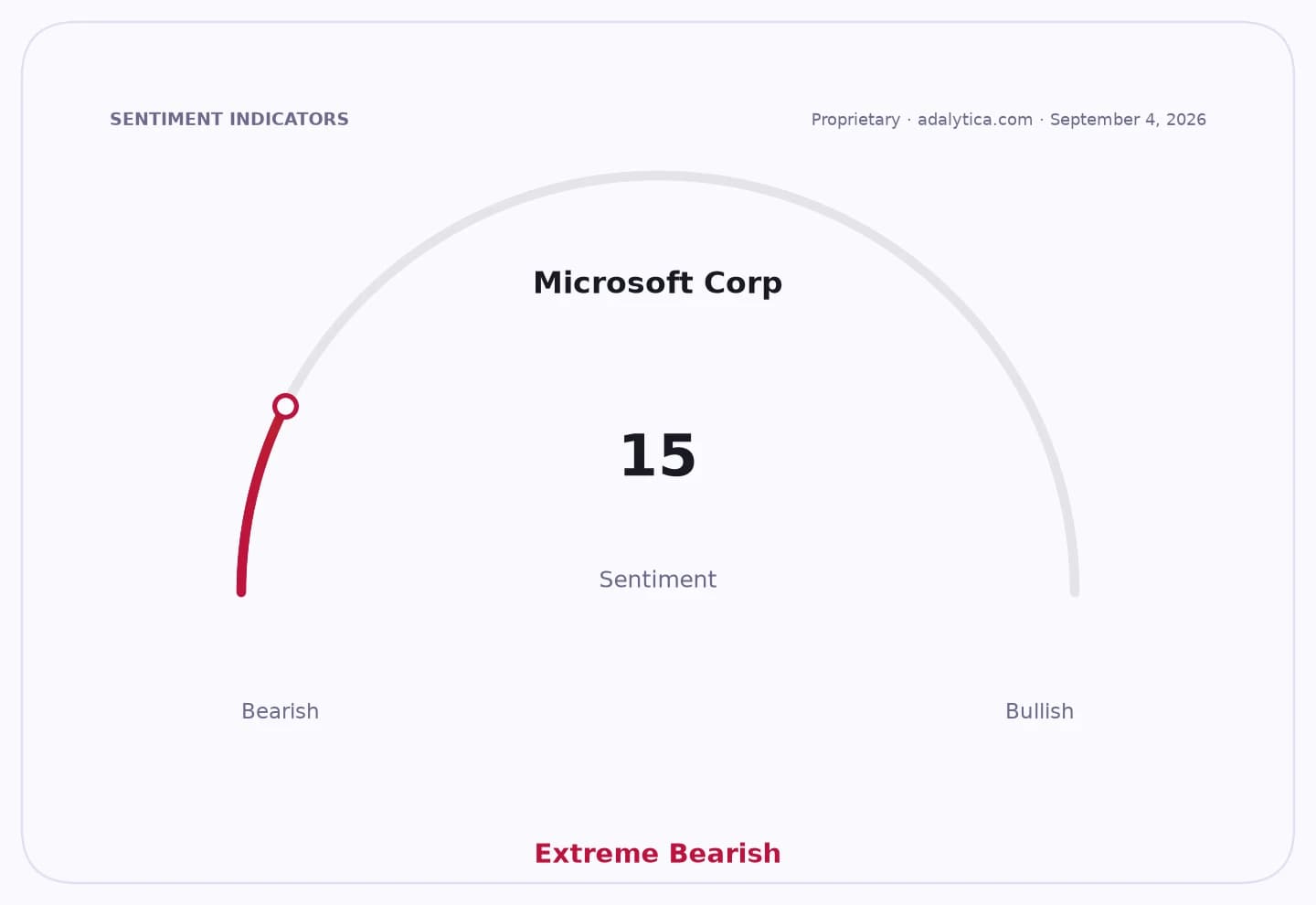
Sentiment IndicatorsⓘProprietary · adalytica.com · September 4, 2026
This is a snapshot — live sentiment, awareness and momentum for 130+ markets update continuously in the dashboard.Open AlphaPulse
For investors, the outage is a reminder that adoption can run ahead of resilience. The episode does not by itself change the long-term demand case for AI, but it raises questions about uptime, redundancy and the cost of hardening systems as usage scales. That can pressure margins for hyperscalers and model providers even as it supports spending on security, load balancing, backup capacity and enterprise-grade reliability.
The market backdrop also sharpens the read-through. Microsoft, a key backer of OpenAI and a central player in AI infrastructure, has been under pressure, with its shares recently trading around $496.82 after sliding from above $500 earlier in the week and well below recent highs. Technical indicators show the stock still above its 50-day and 200-day moving averages, but the latest pullback coincides with an extreme-fear reading in Adalytica’s Microsoft earnings sentiment gauge. Nvidia, whose chips underpin much of the AI buildout, has also been volatile, though its shares remained above both the 50-day and 200-day averages around $224.41. The message for the sector is that investors are already sensitive to any sign that AI infrastructure risks could complicate the path from capital spending to sustained monetization.
The outage also feeds a broader policy and security narrative. The Financial Stability Board has warned G20 leaders that frontier AI could amplify cyber threats and financial instability, and governments are increasingly treating AI resilience as a national-security issue rather than just a technology concern. That helps explain why procurement and public-sector contracts are becoming strategic battlegrounds, with demand shifting toward vendors that can prove reliability, security and sovereign control.
The immediate question is whether the outage proves to be an isolated operational failure or the first visible stress test of a system growing faster than its safeguards. If it is the former, investors are likely to look through it. If it is the latter, the winners will be the firms that can sell resilience, while the losers are the platforms whose growth depends on always-on trust.
| Entity | Gains | Losses |
|---|---|---|
| AI security vendors | ▲Higher demand | ▼None immediate |
| Hyperscalers | ▲More resilience spend | ▼Margin pressure |
| ChatGPT/Claude/Grok users | ▲None | ▼Lost productivity |
| AI model providers | ▲Incentive to harden systems | ▼Trust and uptime scrutiny |