AI is no longer just an energy story for the future; it is an emissions and infrastructure story right now, and the market is only beginning to price the cost.
AI Buildout Shifts Toward Power and Infrastructure
Microsoft, Alphabet and Amazon now collectively emit about 119 million tons of CO₂, nearly 20% more than a year earlier, according to the data context and recent reporting on AI’s environmental footprint. Microsoft’s emissions alone jumped 27% as it accelerated data center construction to keep up with AI demand. That matters because the AI boom is not just consuming more chips — it is pulling more electricity, more land, more cooling and more power procurement into the critical path of growth.
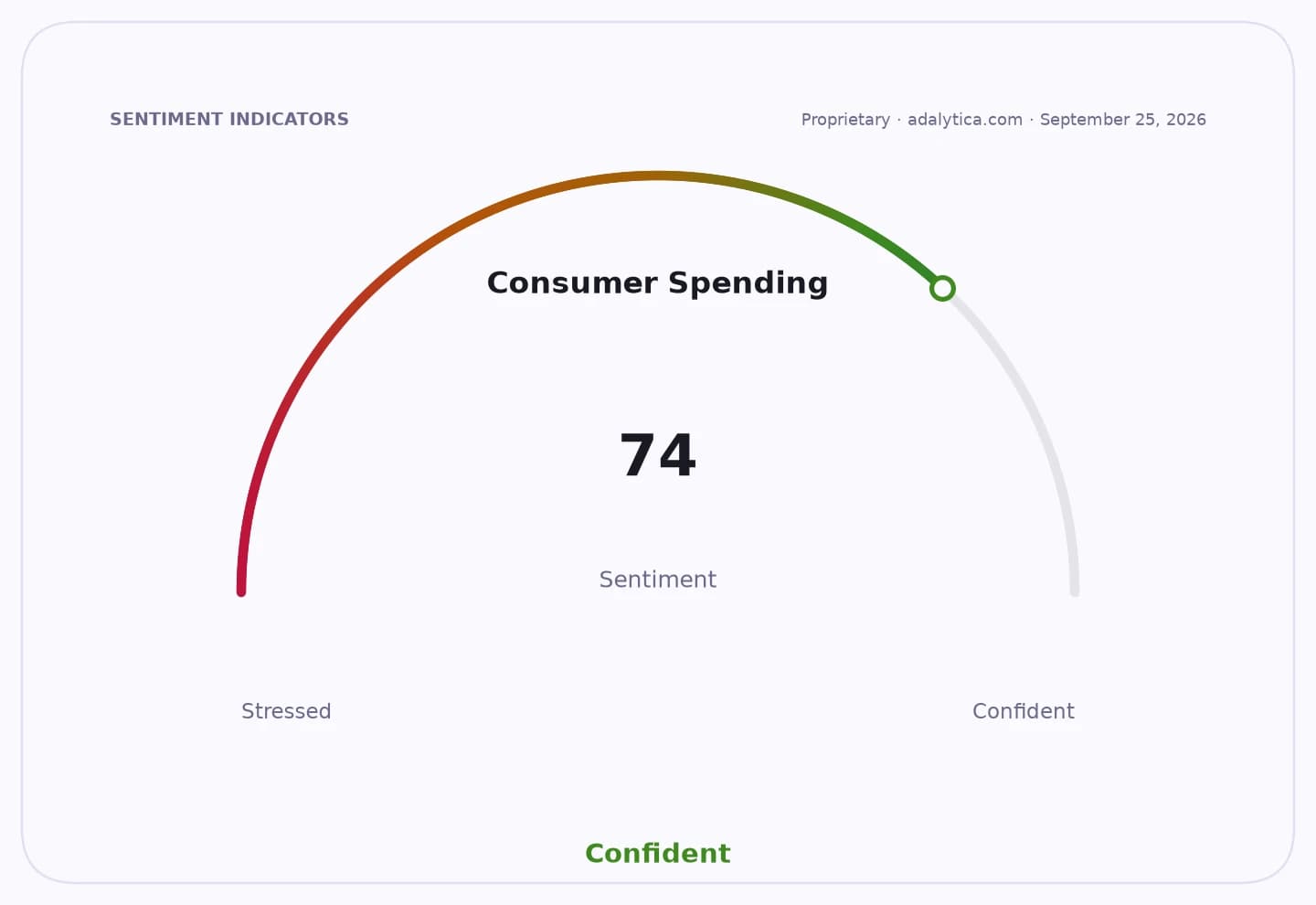
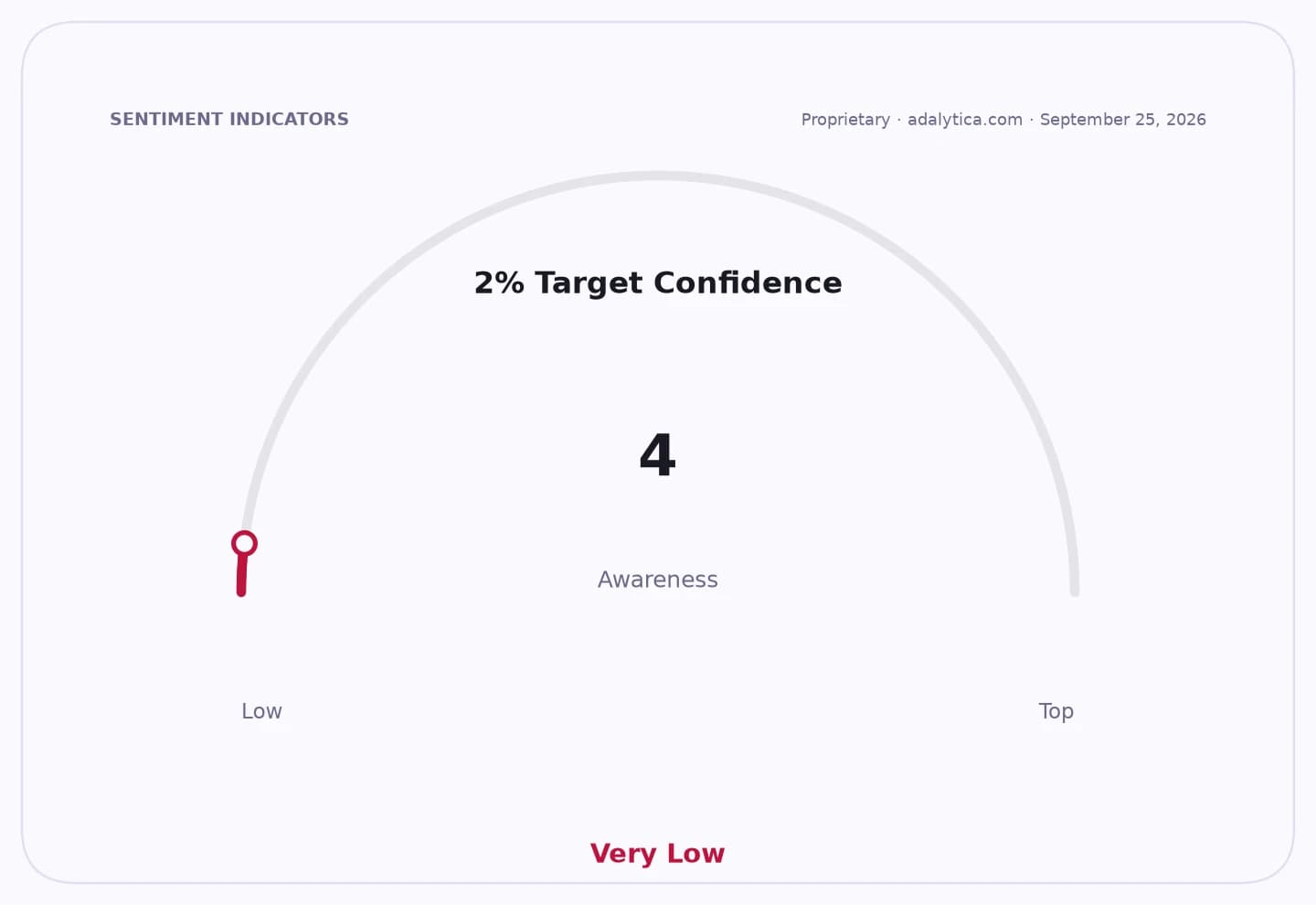
Sentiment IndicatorsⓘProprietary · adalytica.com · July 17, 2026
This is a snapshot — live sentiment, awareness and momentum for 130+ markets update continuously in the dashboard.Open AlphaPulse
The economic significance is straightforward: every new model, chatbot and enterprise AI deployment needs a denser stack of compute, power and grid capacity. That turns AI from a software-margin story into an industrial capex cycle. The beneficiaries are not just the platform names. They include the companies selling GPUs, networking gear, power systems, turbines, transformers, cooling equipment and the utilities that can actually deliver megawatts. The losers are the firms that have to absorb the higher carbon, capex and regulatory burden before the revenue fully scales.
That is why this climate cost is becoming an investor issue, not just an ESG issue. Microsoft’s shares have been volatile, with standard technical indicators showing the stock has recently clawed back from deeply oversold levels before stabilizing near its 50-day moving average. Nvidia and Alphabet have also seen sharp swings as investors rotate between AI enthusiasm and power-capacity anxiety. The message is not that AI is broken; it is that the street still underestimates the bottleneck between demand for intelligence and the infrastructure required to manufacture it.
The filings point in the same direction. Microsoft has warned that growing traffic and service complexity demand more computing power, while Oracle says AI data-center energy demand is tightening access to reliable, cost-effective power sources globally. Alphabet shareholders have even pressed the company on water usage and AI oversight. In other words, the next leg of AI spending is not just on models — it is on the physical substrate that makes models viable.
Oil and industrial data reinforce the backdrop. West Texas Intermediate has been volatile, a reminder that energy input costs can swing quickly, while the broader industrial price environment remains elevated relative to the last cycle. That keeps pressure on every AI buildout, especially as companies race ahead of power availability and permitting.
The market is still treating AI emissions as a reputational issue. I think that is too shallow. It is really a capital-allocation issue, a grid issue and a margin issue. As the AI buildout intensifies, capital should keep flowing toward the toll roads of the digital economy: semiconductor makers, power equipment, electrical infrastructure, cooling, grid software and the utilities with excess capacity or long-duration contracted power.
If you want the asymmetric opportunity, don’t chase only the chatbot names. Own the picks-and-shovels of the AI power boom. The climate cost of AI is rising, and so is the value of the firms that can solve it.
| Entity | Gains | Losses |
|---|---|---|
| Nvidia | ▲More GPU demand | ▼More scrutiny on power intensity |
| Microsoft | ▲AI revenue growth | ▼Higher emissions and capex burden |
| Utilities / grid suppliers | ▲Rising load demand | ▼Execution and permitting pressure |
| Carbon-sensitive investors | ▲Potential policy catalysts | ▼Near-term AI margin compression |