AI is increasingly deciding who gets hired first, and that is leaving young Americans with a tougher search for entry-level work even as the broader labor market still looks relatively stable.
AI screening tightens entry-level hiring

The unemployment rate is expected to edge down to 4.18% in July from 4.2% in June, with job openings projected to rise modestly to 7.66 million, signaling that the overall US labor market remains resilient. But those aggregate figures mask a more important shift: companies are using artificial intelligence to screen resumes, automate early-stage recruiting and restructure hiring around fewer, more experienced candidates. For younger workers, especially new graduates and first-time jobseekers, that means the problem is not a collapsing economy so much as a labor market that is becoming harder to enter.
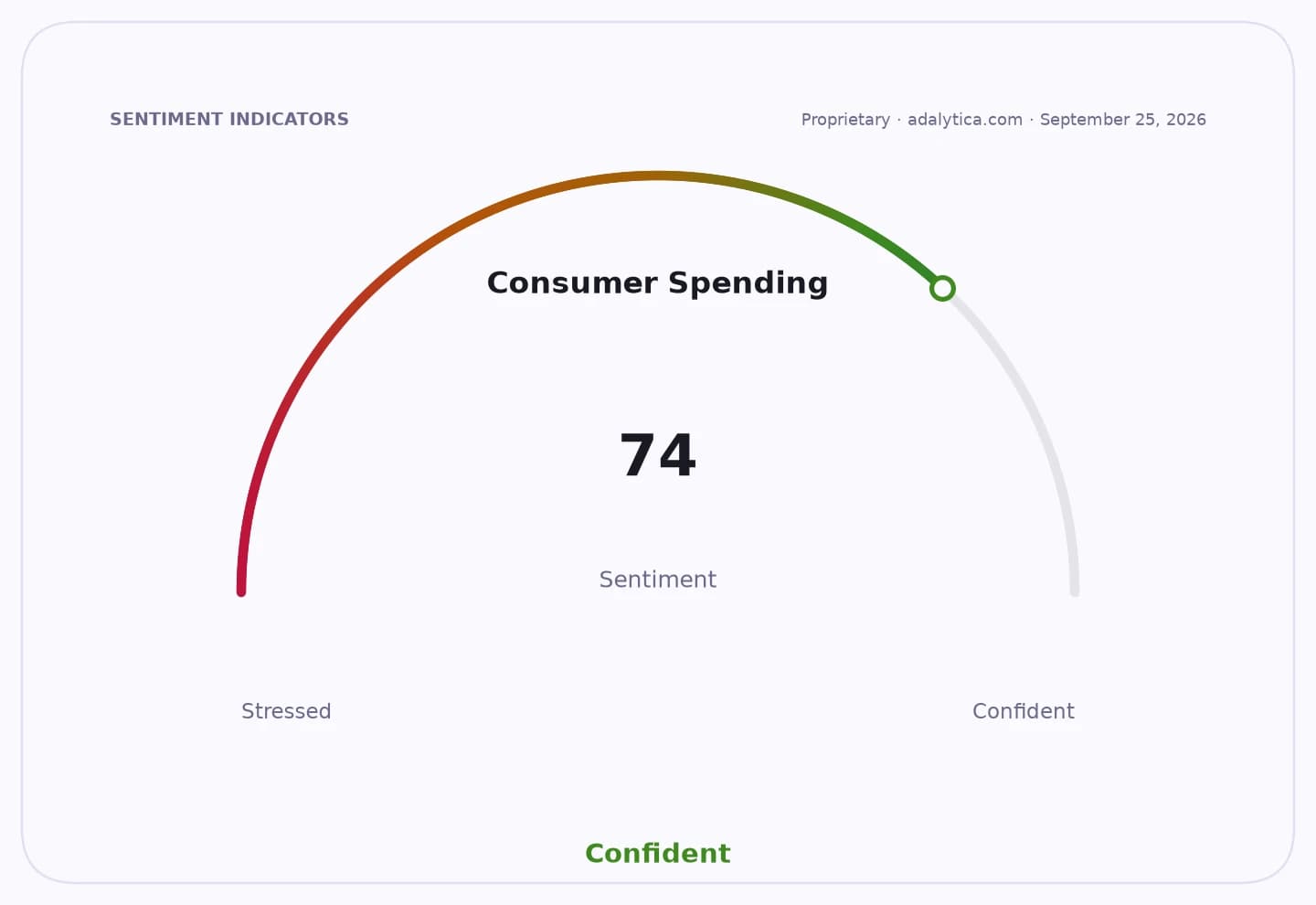
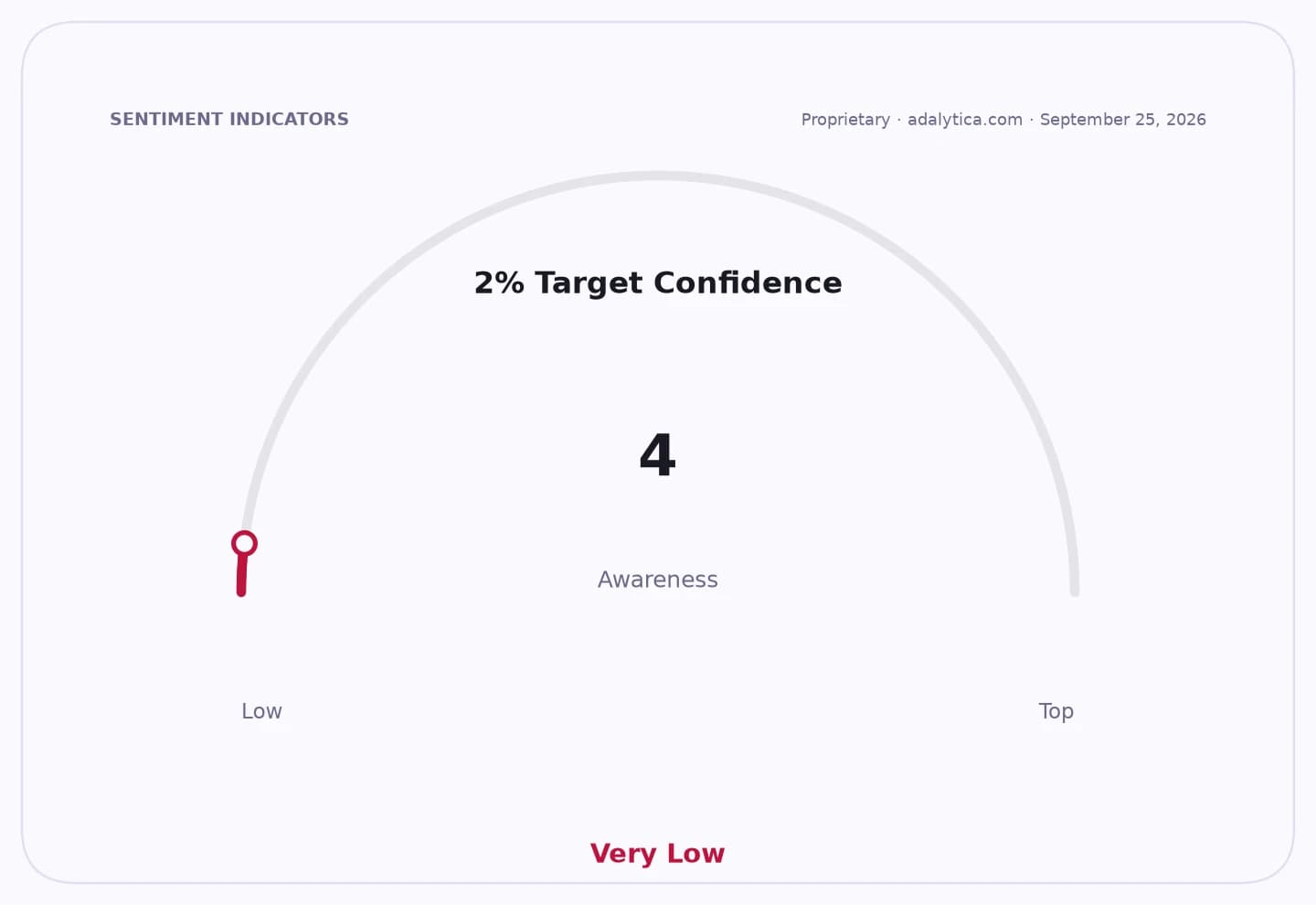
Sentiment IndicatorsⓘProprietary · adalytica.com · July 25, 2026
This is a snapshot — live sentiment, awareness and momentum for 130+ markets update continuously in the dashboard.Open AlphaPulse
That distinction matters economically because young workers are typically the pipeline for future productivity, earnings growth and household formation. When AI makes hiring faster and cheaper, companies can fill roles with less administrative friction. But the same tools can also amplify bias toward candidates with clearer job histories, better keywords and more technical skills, leaving people without experience stuck outside the system. The result is a labor market in which total demand for workers may hold up, yet the distribution of opportunity worsens.
The data backing that picture is more muted at the macro level. Industrial production is forecast to rise 0.3% in July after a series of small gains, reinforcing the view that business activity has not rolled over. Job openings are also forecast to rise slightly, which suggests employers are still looking to hire. Yet the quality of those openings is changing as firms deploy AI to narrow applicant pools and automate repetitive tasks in recruiting, from résumé parsing to chatbot-led interviews. That trend has helped some employers cut costs, but it also reduces the number of human touchpoints that have traditionally given inexperienced workers a chance to compete.
Investors are already seeing the corporate winners and losers of that shift. ADP, which sells payroll and human-capital management software, has been positioning its AI tools as time-saving products for employers, with its ADP Assist agents helping clients process payroll more efficiently. That supports a bullish case that AI will deepen software adoption and improve margins. But it also underscores a bear case for labor-intensive service providers and recruitment platforms if customers use AI to do more hiring work in-house.
At the same time, freelancing and staffing platforms face a more mixed outlook. Fiverr has said it is building upmarket services and using vetted talent pools and project-management tools to compete for larger clients, a sign that labor marketplaces are trying to move up the value chain as commoditized hiring gets automated. Upwork, meanwhile, remains exposed to a world in which employers increasingly use AI to sort and source talent before a human ever sees the application. For the platforms, the opportunity is that AI can increase match efficiency; the risk is that it also reduces dependence on them.
The broader narrative is not that AI is destroying the job market. It is that it is changing the rules of access. That shift is especially punishing for younger Americans, who rely on entry-level hiring channels that are most vulnerable to automation. If AI adoption keeps spreading through recruiting and workforce management, the next labor market battleground may not be the unemployment rate itself, but whether first jobs become harder to get — and whether firms use the efficiency gains to hire more people or simply fewer of them.
| Entity | Gains | Losses |
|---|---|---|
| Employers using AI screening | ▲Lower hiring costs | ▼Fewer human-led candidate reviews |
| Young jobseekers | ▲Faster application tools | ▼Weaker access to first jobs |
| ADP and HR software vendors | ▲Higher AI adoption | ▼Greater pressure to prove value |
| Fiverr/Upwork-style platforms | ▲Demand for curated talent | ▼Commodity matching business |