Investors are growing more skeptical of artificial intelligence stocks, but that is exactly why the long-term bull case may still be intact. Dan Ives is arguing the bear chorus will get “louder and louder,” yet the spending wave behind AI — from hyperscalers to cybersecurity and even Apple’s push into the era — is still expanding, not fading.
AI Stocks: Apple, Nvidia, Hyperscalers, Cybersecurity

That matters because the market is increasingly treating AI like a short-lived trade instead of a multi-year capital cycle. When sentiment cools, as it has recently across the S&P 500 and several of the biggest AI names, price action can get ugly. But the economics behind the theme are still powerful: cloud providers are pouring money into infrastructure, companies are racing to secure compute and storage, and software makers are rewriting product road maps around AI demand. That kind of spending usually does not disappear because a few skeptical headlines arrive.
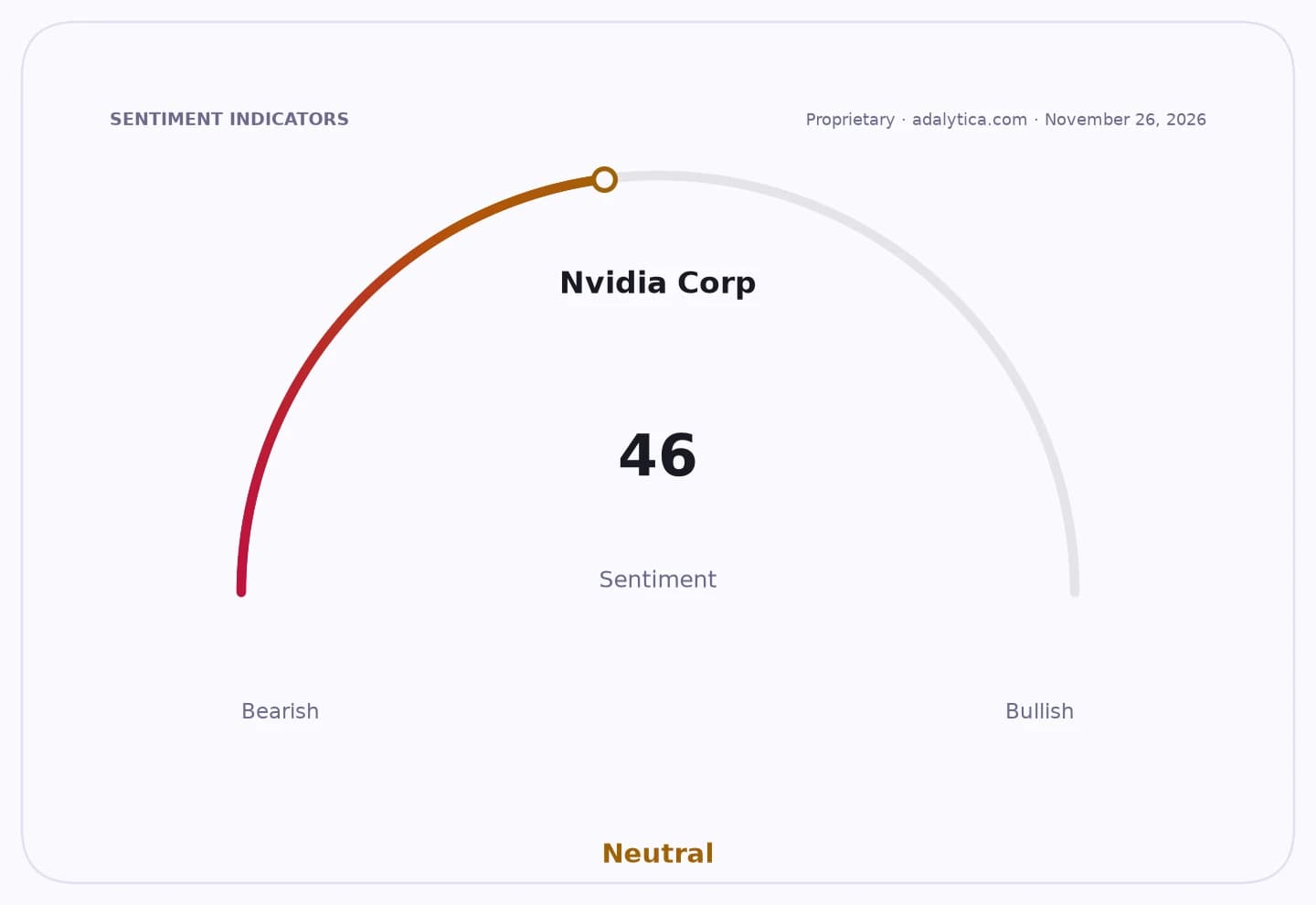
Sentiment Indicators
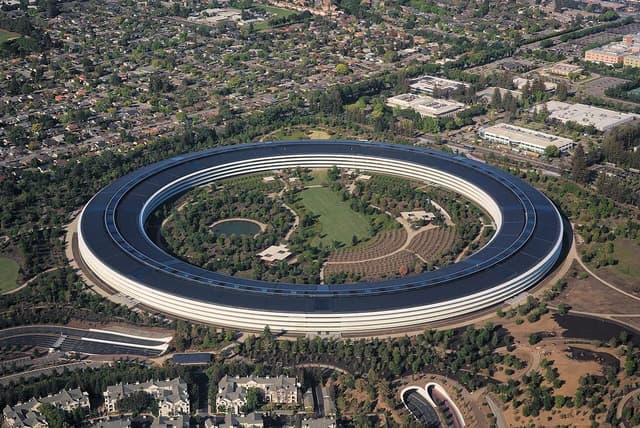
Apple is part of that story in a way many investors still underestimate. The company’s filings point to major investments in AI technologies, infrastructure and personnel, along with commitments for data center capacity, components, equipment and energy resources. In plain English, Apple is not sitting out the AI buildout. For a business with enormous cash flow and a loyal installed base, AI can become another layer of monetization rather than a one-off feature upgrade. If the company can pair AI with its hardware ecosystem, that is the sort of durable advantage long-term investors should want to own.
The hyperscalers remain the clearest winners because they control the pipes. Amazon, Microsoft and Alphabet are spending aggressively to keep pace with AI demand, and that capex cycle is showing up in their financials. Those outlays may pressure margins in the near term, but they also deepen the moat. In a market obsessed with quarterly returns, it is easy to miss that infrastructure spending today can translate into higher recurring cloud revenue tomorrow. For investors with a 3- to 10-year horizon, the question is not whether AI spending pauses occasionally. It is who owns the platforms that collect the tolls when it resumes.
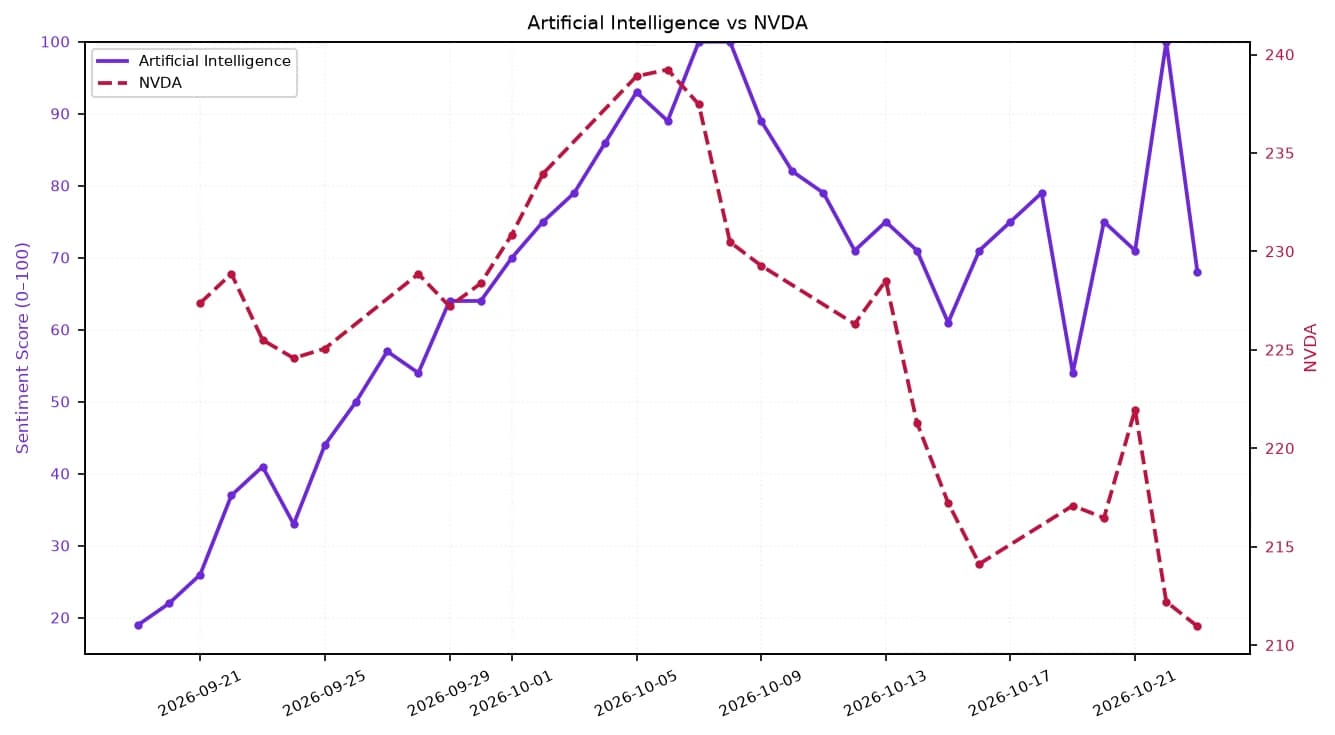
Artificial Intelligence — 30-day sentimentadalytica.com
Explore this data interactively — full history, time series and cross-market comparisons.
Artificial Intelligence
Nvidia remains central even after a bruising selloff. The stock has been extremely volatile, but that is not the same thing as a broken thesis. Its latest technical readings show a deeply oversold setup at times, with sharp swings in RSI and a heavy slide from earlier highs. That kind of reset often happens when expectations get ahead of fundamentals. Yet the broader AI buildout still depends on accelerated computing, which is why Nvidia remains one of the most important names in the entire ecosystem even when the market punishes it.
Cybersecurity stocks also deserve a place in this story, and not just as a defensive afterthought. As AI spreads, so do the attack surfaces. Palo Alto Networks and CrowdStrike have both warned in their filings that AI-related disruption and regulation could affect the industry, but those same shifts can also expand demand for security tools. More AI means more data, more endpoints, more model risk and more need for protection. That is a structural tailwind, not a temporary theme.
The bigger message for investors is that AI is moving from hype to infrastructure. That tends to favor businesses with real scale, real cash generation and real moats — Apple, the hyperscalers, Nvidia and leading cybersecurity names among them. The market may keep questioning the trade, and Ives is probably right that the bears will get louder. But long-term compounding usually happens when the crowd is most impatient.
| Entity | Gains | Losses |
|---|---|---|
| Apple | ▲AI monetization opportunity | ▼Short-term skepticism |
| Hyperscalers | ▲Higher cloud/infrastructure demand | ▼Margin pressure from capex |
| Nvidia | ▲Accelerated-computing demand | ▼Volatility from valuation resets |
| Cybersecurity stocks | ▲More demand for protection tools | ▼AI disruption risk in the near term |