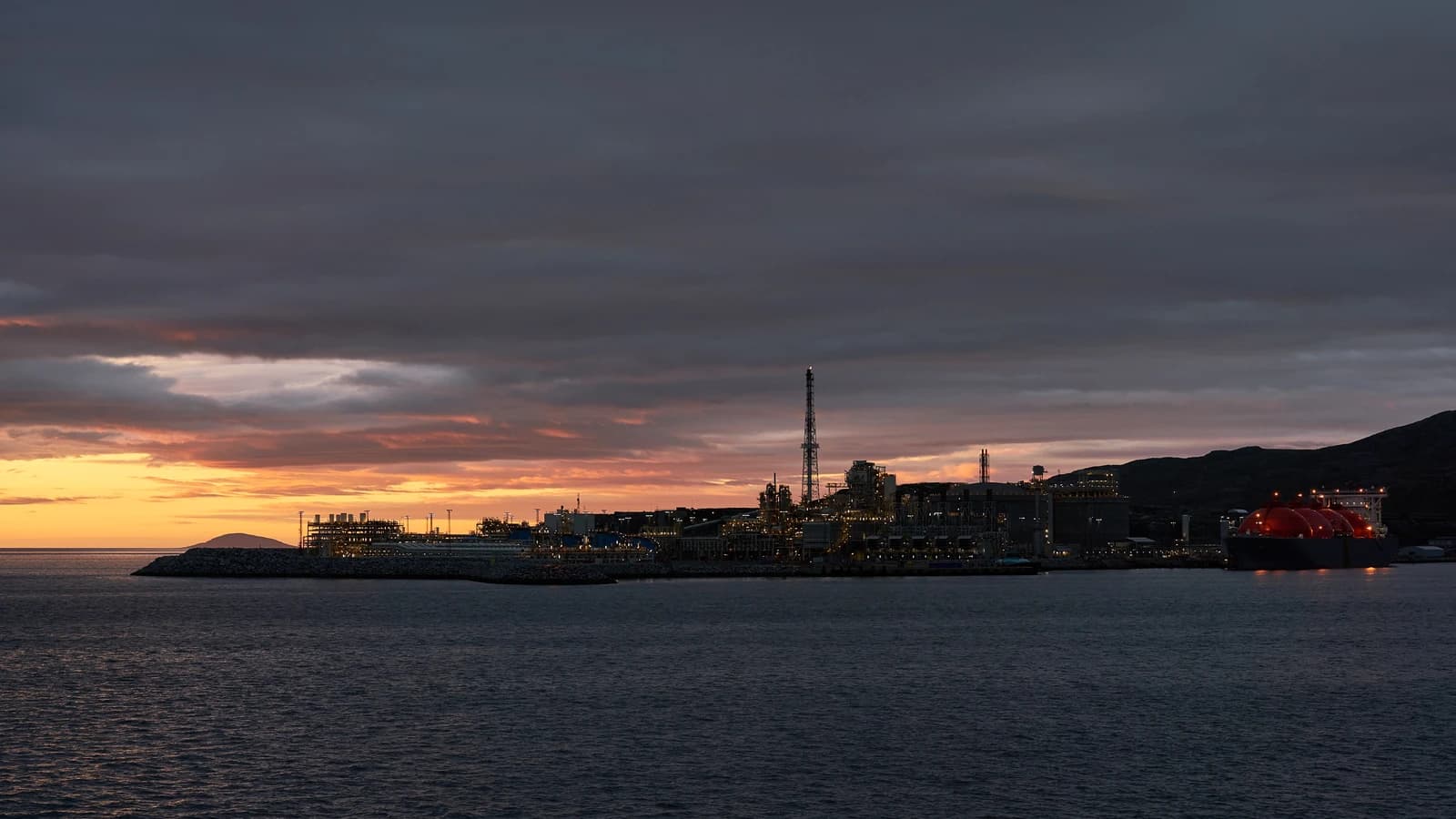
L’Air Liquide is broadening its push into lower-carbon energy with a memorandum of understanding with Gas Malaysia to explore bio-LNG, low-carbon hydrogen and CO₂ offtake in Malaysia, extending the French industrial gases group’s strategy beyond its core supply business into cleaner fuels and carbon services.
Air Liquide Explores Bio-LNG and Hydrogen in Malaysia
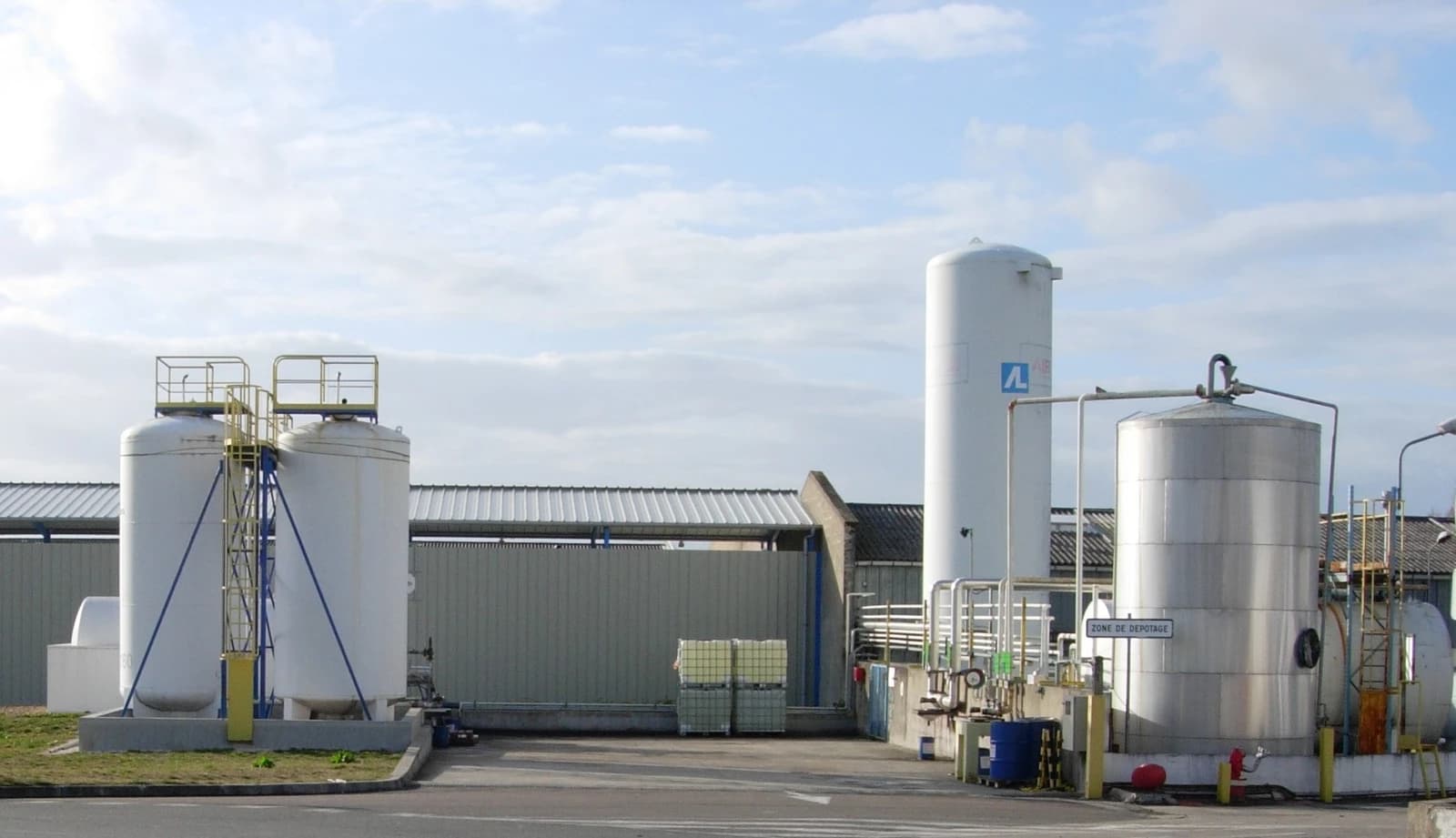
The agreement matters because it adds another leg to Air Liquide’s growth story at a time when investors are paying more for businesses that can combine steady industrial demand with energy-transition exposure. Bio-LNG offers a pathway into a market where shipping, heavy transport and industrial users are looking for lower-emission fuels without abandoning existing LNG infrastructure, while CO₂ offtake and hydrogen could give the group recurring revenue tied to decarbonisation projects rather than only commodity-like gas sales.
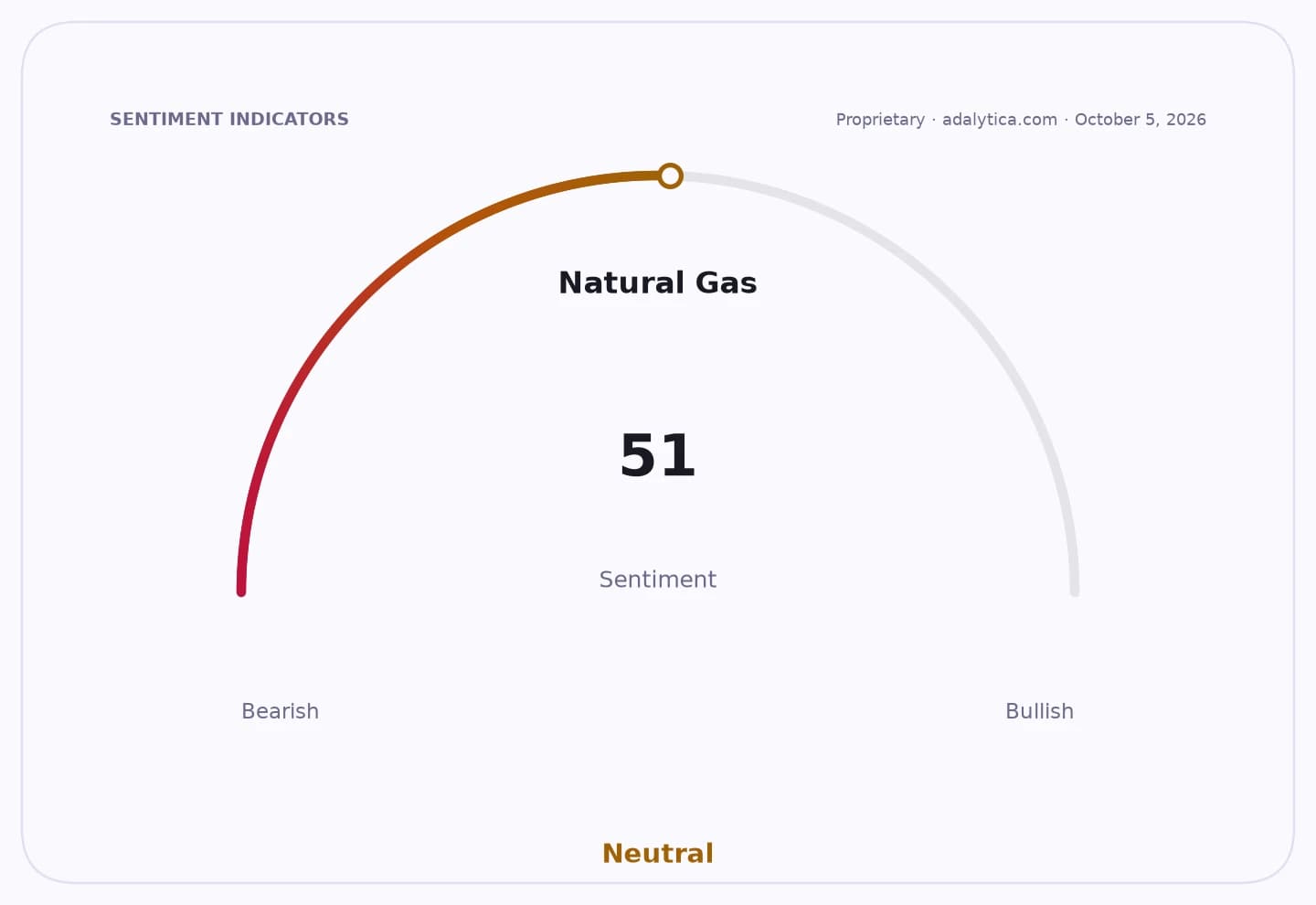
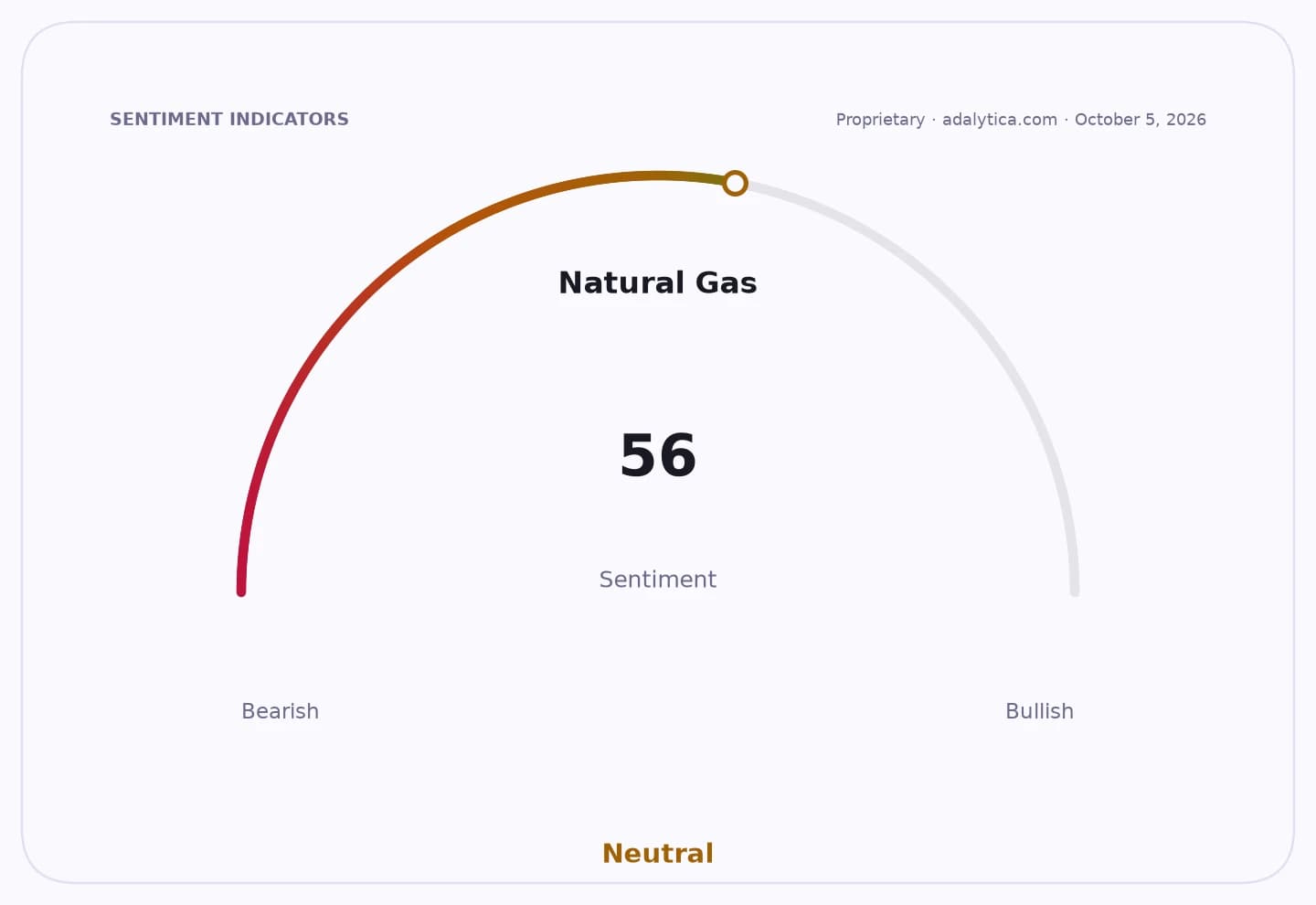
Sentiment IndicatorsⓘProprietary · adalytica.com · October 4, 2026
This is a snapshot — live sentiment, awareness and momentum for 130+ markets update continuously in the dashboard.Open AlphaPulse
For Air Liquide, the Malaysia tie-up also underlines a broader shift in capital allocation. The company has been building a portfolio that spans semiconductor gases in Asia and carbon-capture infrastructure in Europe, including the recent connection of its Rozenburg site to the Porthos CO₂ network in the Netherlands. Taken together, the projects show a group trying to position itself as both a supplier to advanced manufacturing and a partner to industrial decarbonisation, areas that typically support higher barriers to entry and longer contract durations.
That strategy has been reflected in the shares. Air Liquide stock has gained 17% this year, outpacing the broader market move seen on Friday, when the Paris-listed stock rose 2.2% to 170.56 euros in a general rebound on the exchange. On the technical side, the stock had been trading above its 200-day moving average earlier in the quarter, though recent price weakness has left it below the 50-day average, suggesting some consolidation after a strong run.
The Malaysian deal is still preliminary, and that limits the immediate financial impact. But for investors, the logic is clear: Air Liquide is trying to convert its industrial footprint into a platform for transition-related infrastructure, where earnings visibility can be stronger than in cyclical gas sales. The bullish case is that these projects create durable, contract-backed demand and deepen the company’s role in sectors with structural growth. The bear case is that execution risk, capital intensity and the still-early economics of bio-LNG and low-carbon hydrogen could delay meaningful returns.
In the near term, the key question is whether Air Liquide can turn exploratory partnerships into bankable projects with predictable cash flow. If it can, the company’s expansion in Asia and Europe would reinforce a valuation premium based not just on industrial gas volumes, but on its ability to monetise the transition to cleaner energy and lower-carbon manufacturing.
| Entity | Gains | Losses |
|---|---|---|
| L’Air Liquide | ▲Transition-linked growth | ▼Near-term capital burden |
| Gas Malaysia | ▲Low-carbon project access | ▼Execution and technology risk |
| LNG/bio-LNG users | ▲Lower-emission fuel options | ▼Potentially higher costs |
| Competitors | ▲— | ▼Fewer transition opportunities |