Consumers are rethinking the summer getaway, and the biggest money is shifting toward closer-to-home trips, city breaks and flexible stays that play to Airbnb, Booking Holdings and Marriott while favoring investors positioned for a more durable, experience-led travel cycle.
Airbnb, Booking, Marriott Gain on Reverse Vacation Trend

That “reverse vacation” pattern matters because it is not just a lifestyle fad — it is a spending reallocation. When travelers choose urban stays, nearby destinations or shorter, more personalized holidays over traditional long-haul escapes, the winners are the companies that own distribution, alternative lodging and premium city inventory. The losers are the legacy operators tied more heavily to conventional destination travel and rigid vacation patterns.
Sentiment IndicatorsⓘProprietary · adalytica.com · August 7, 2026
This is a snapshot — live sentiment, awareness and momentum for 130+ markets update continuously in the dashboard.Open AlphaPulse
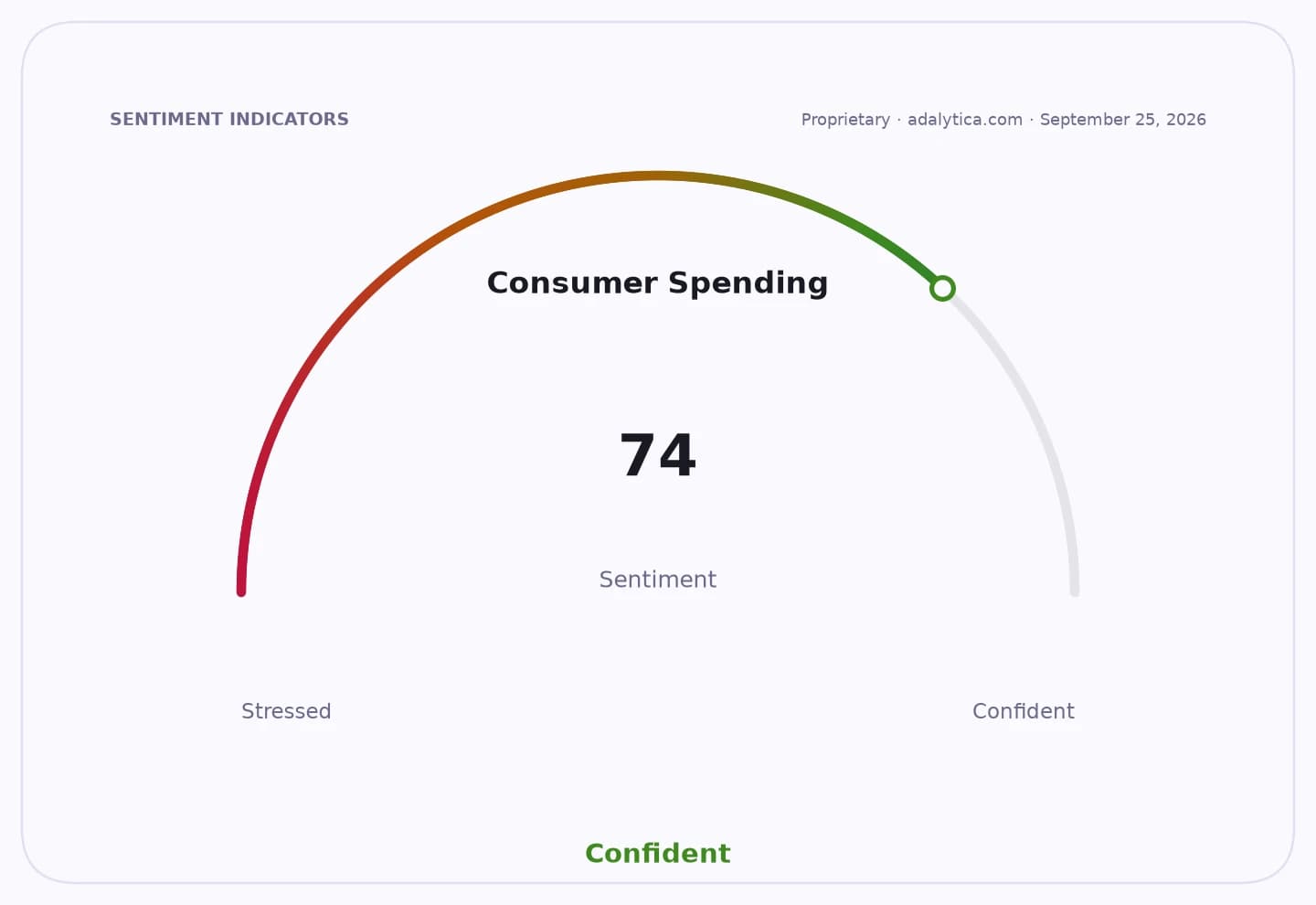
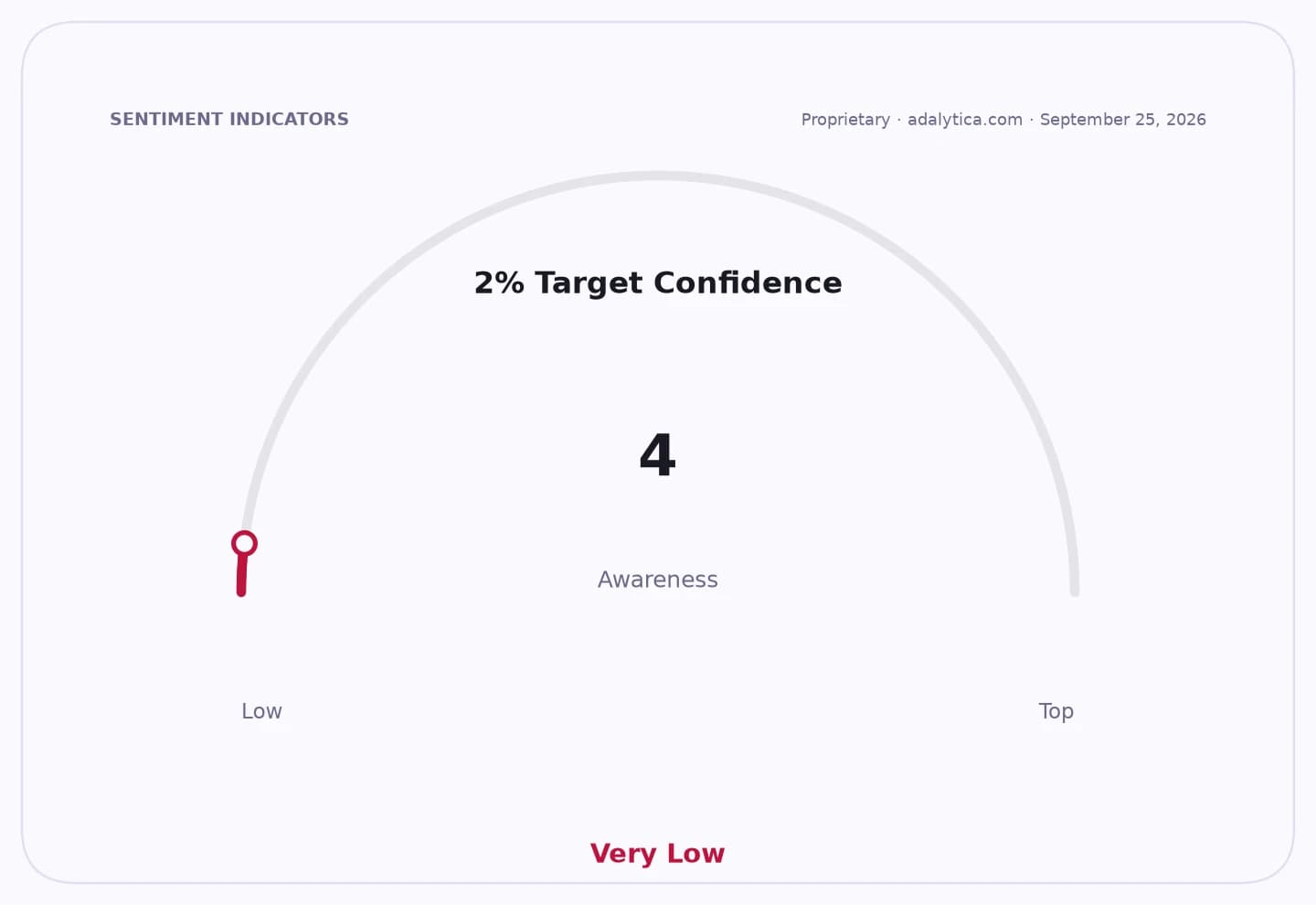
The data are pointing in the same direction. Adalytica’s Consumer Spending Sentiment gauge is flashing Extreme Greed at 96, while its retail-goods awareness reading sits at 93, suggesting consumers still want to spend even if they are changing how they spend. Adalytica’s hotel and travel-related signals also show strong attention around the theme, with S&P 500 trade signals and retail-goods awareness elevated, reinforcing that travel remains a live pocket of discretionary demand rather than a fading one.
That backdrop helps explain why Airbnb has been the clearest market standout. The stock closed at $151.64 on Aug. 6, up sharply from $111.54 in late November, and it is trading above both its 50-day and 200-day moving averages, a sign that buyers are willing to pay for the “local and flexible” travel thesis. Booking Holdings has also rebounded hard to $207.39 from a February trough near $154.09, while Marriott has recovered to $359.67 after its own spring pullback. The move is not random. It reflects a market increasingly rewarding companies that benefit when consumers substitute distance with convenience and personalization.
For investors, that is the key inflection point. Reverse vacations are a tailwind for Airbnb’s alternative-accommodation network, Booking’s breadth across hotels and stays, and Marriott’s urban and premium footprint. They also support a broader shift toward higher-frequency, lower-friction travel spending — exactly the kind of behavior that can hold up even if macro growth slows or consumers remain selective. With the 10-year Treasury yield still around 4.61%, the market is also likely to keep favoring cash-generative travel franchises with pricing power over capital-intensive operators exposed to weaker demand.
The narrative fits the filings and the price action. Booking has warned that growth in alternative accommodations can pressure margins, but it also remains exposed to the very inventory shift consumers are making. Airbnb’s seasonality note says revenue and adjusted EBITDA are typically strongest in the third quarter, which is where this trend should matter most. Marriott’s RevPAR and occupancy trends will tell investors whether the shift is lifting urban room nights and pricing. Hilton, too, stands to benefit where occupancy and average daily rate improve in city markets and mixed-use travel corridors.
The bigger takeaway is that travel demand is not disappearing — it is changing form. If the market keeps underestimating how much consumers want comfort, proximity and flexibility over old-school vacation formulas, the best way to invest is to own the platforms and hotel brands that monetize that behavior. I believe the smart money should stay long Airbnb, Booking Holdings and Marriott as the reverse-vacation trend turns from anecdote into a multi-year spending pattern.
| Entity | Gains | Losses |
|---|---|---|
| Airbnb | ▲Flexible urban stays | ▼Traditional resort-only demand |
| Booking Holdings | ▲Broad travel mix | ▼Rigid package travel |
| Marriott | ▲City and premium rooms | ▼Leisure-only operators |
| Legacy vacation firms | ▲N/A | ▼Share of holiday spend |