Albania is preparing a new 300-megawatt solar auction with battery storage, a policy move that could reduce costly electricity imports only if the state can design the contracts, grid rules and financing terms well enough to bring the projects to completion.
Albania plans 300 MW solar auction with batteries
The planned tender matters because Albania is still spending heavily on imported power despite its hydropower base and strong solar resource. KESH’s two latest procurement rounds, published on Oct. 30 and Nov. 2, carried an estimated value of about 42.28 million euros, underscoring how exposed the country remains to international price swings.
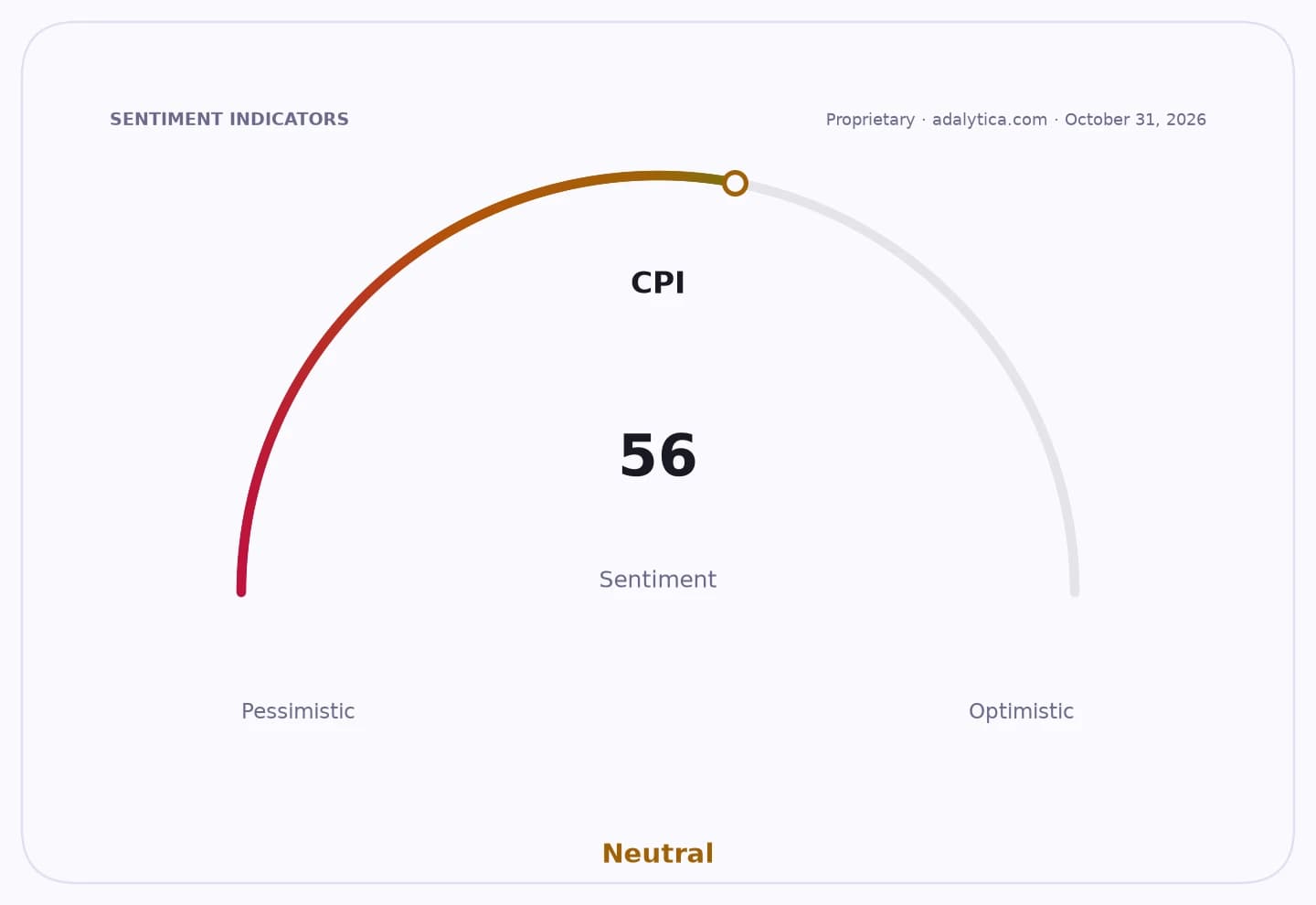
Sentiment Indicators
The European Bank for Reconstruction and Development said on Nov. 5 it is helping the infrastructure and energy ministry prepare the competitive auction. Unlike earlier solar rounds, the new projects will include batteries, turning the focus from simple generation capacity to dispatchable supply that can shift daytime output into evening hours when demand is stronger and prices are often higher.
That distinction is economically important. Solar panels alone do not solve Albania’s import bill if output arrives when the grid does not need it. Batteries can smooth fluctuations, reduce the need for emergency purchases at expensive hours and make the system less reliant on rainfall, seasonal swings and foreign markets. The savings, however, will depend on storage size, duration, technical losses and operating rules.
The EBRD has not yet disclosed the storage capacity, investment size or expected annual output, which means no one can yet say how much power the auction will actually displace. That uncertainty is central for investors and policy makers alike: a poorly structured tender could lock in long-term public costs without delivering the desired reduction in imports.
The government is also still working through the financing model. A review earlier this year found Albania was not ready to move from traditional power-purchase agreements to contracts for difference, a structure that can stabilize revenues for developers but also shift market risk back to the state. The EBRD will support another assessment before the auction design is finalized.
For investors, that leaves the key question not whether there will be demand for renewable assets, but who will bear the price risk and how the battery component will be paid for. Clear rules could attract more bidders and cheaper financing. Opaque terms could shrink competition and make the project more expensive than its installed capacity suggests.
The auction also fits Albania’s wider European integration agenda. Under the 2024-2027 reform program, the country is supposed to auction at least 600 MW of renewable capacity, and the new 300 MW tender would help extend progress after the 2024 solar round. EBRD-backed auctions have already contracted more than 800 MW of renewables across four rounds, though contracted capacity is not the same as plants actually built and operating.
That gap matters. Albania’s policy success should be measured not by announcements, but by megawatt-hours delivered to the grid, battery hours available at peak demand and the volume of imports replaced. Until then, the country’s paradox remains intact: abundant sunshine and hydropower potential, but continued dependence on expensive power bought abroad.
| Entity | Gains | Losses |
|---|---|---|
| Albanian state | ▲More domestic supply | ▼Import dependence |
| Winning developers | ▲Long-term project revenues | ▼Regulatory uncertainty |
| Consumers and industry | ▲More stable supply | ▼No immediate bill relief |
| Foreign power sellers | ▲Near-term demand | ▼Lost Albanian sales |