Alibaba Cloud is tying its Malaysia expansion to a much bigger prize than near-term cloud revenue: building the country’s AI workforce while adding the infrastructure to host more enterprise workloads onshore. For investors, that matters because AI adoption is only as strong as the local talent, data capacity and enterprise trust behind it — and Alibaba is now pushing on all three.
Alibaba Cloud expands Malaysia data centers and AI training

The company said it has teamed up with Malaysia’s MyDIGITAL Corporation on a national AI competition aimed at training 100,000 people aged 18 to 30 to use artificial intelligence to solve everyday and community problems. The two-month program, part of the government’s “AI for All” plan, is designed to build practical skills in learning, work and content creation, while encouraging young Malaysians to use Alibaba tools such as its MuleRun agent platform and WonderClip video product.

That kind of initiative may sound like public relations, but it speaks to the real economics of AI adoption. Cloud businesses scale faster when customers have the skills to deploy them, not just the budget to buy them. In emerging digital economies, the biggest bottleneck is often not software itself but the shortage of people who can turn AI into usable workflows. By helping train a new cohort of users, Alibaba Cloud is helping create future customers — from small businesses and banks to telecom operators and creative studios.
The infrastructure side of the story is just as important. Alibaba Cloud also opened its third data center in Johor, bringing its total footprint in Malaysia to six facilities. More local capacity should help the company serve enterprises that want lower latency and, crucially, need data to stay within the country. That is a growing requirement across regulated industries such as finance, telecoms and digital payments, and it can be a competitive advantage in winning long-duration contracts.
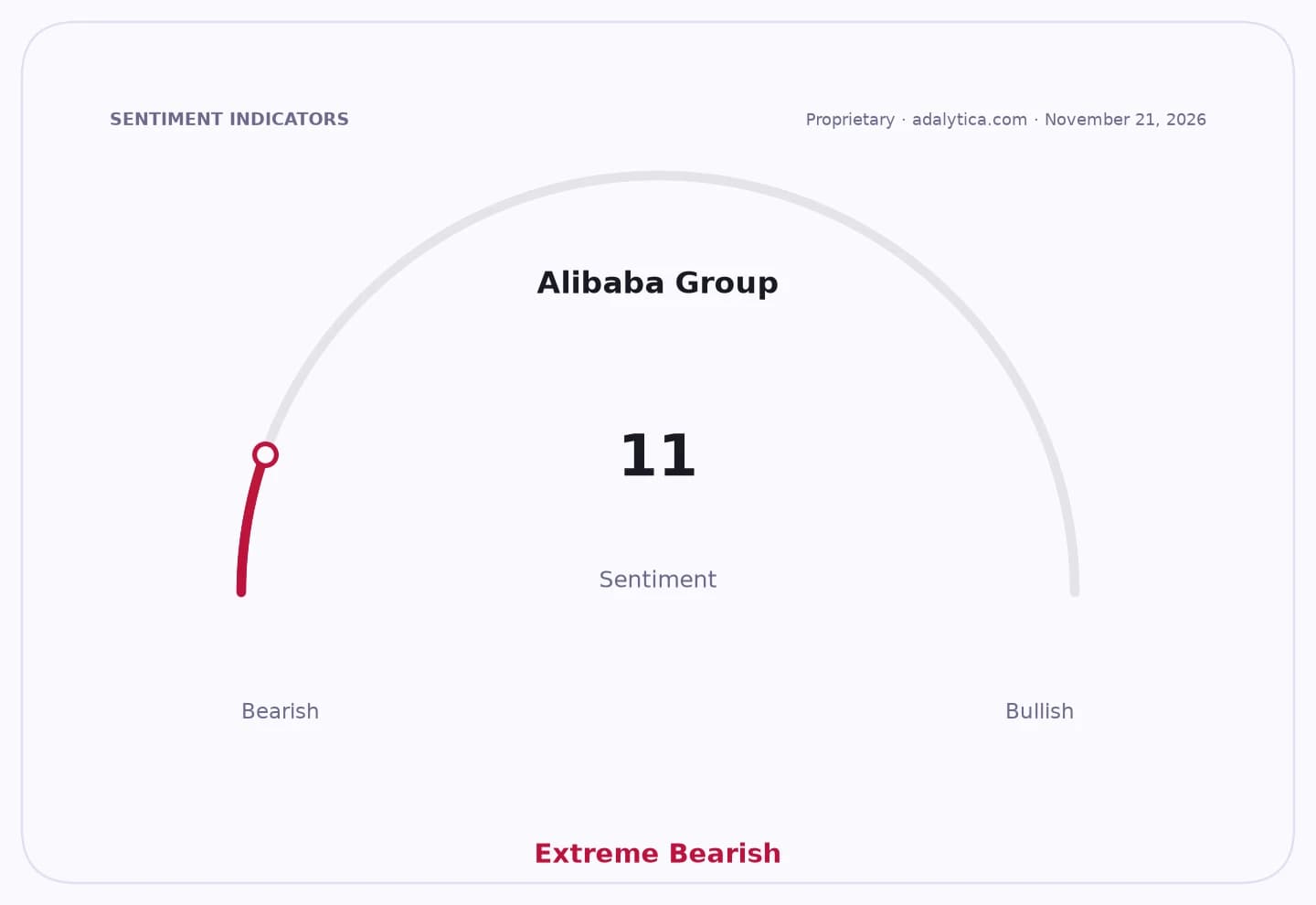
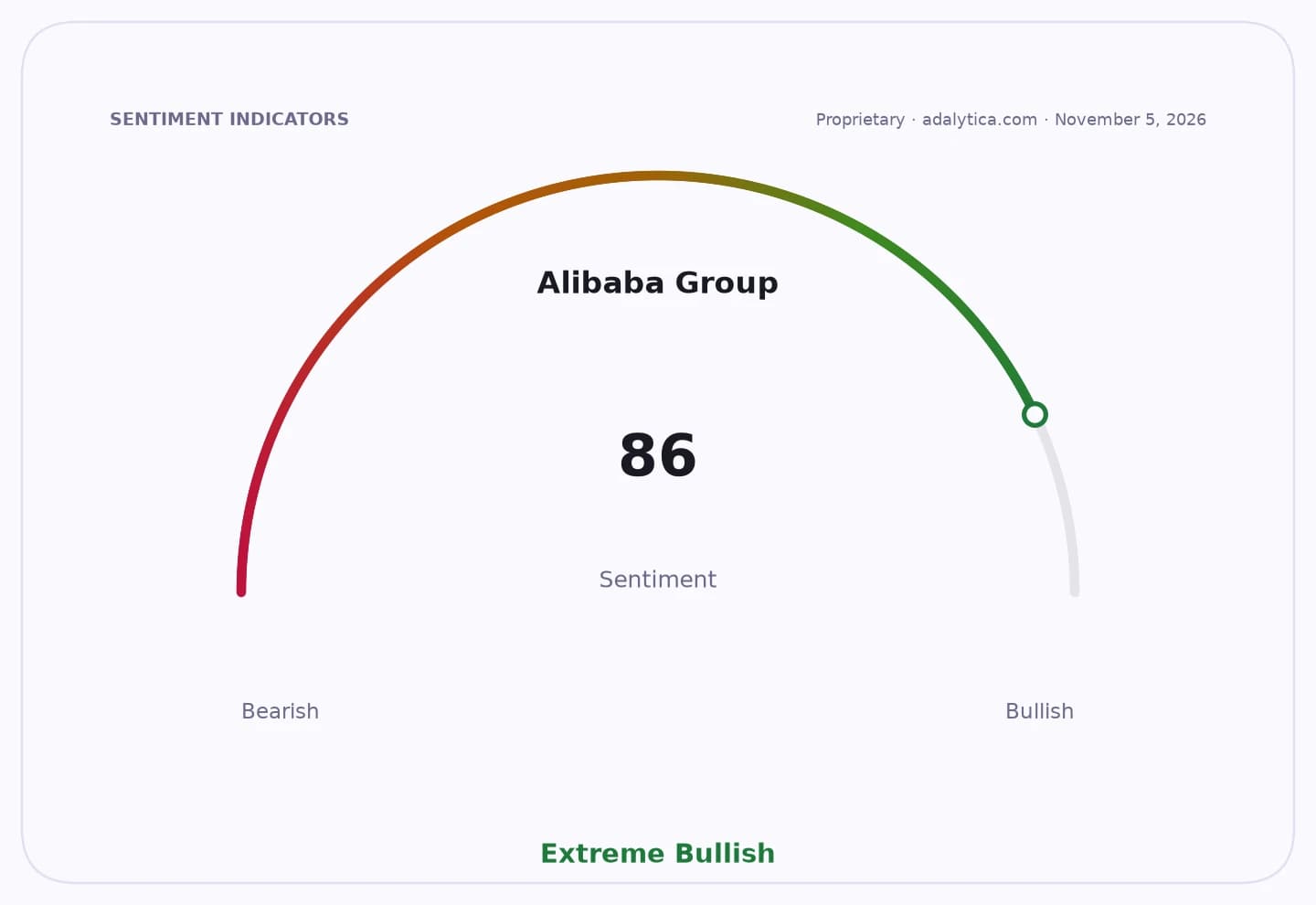
For Alibaba Group, this is the kind of development that can compound over years. Cloud revenue tends to be sticky once workloads are embedded, and the combination of local infrastructure, government alignment and enterprise partnerships can help Alibaba defend share in a market where trust and compliance matter as much as raw model performance. The company said it is already working with local firms across banking, energy, telecoms, payments and creative industries, and signed separate agreements with CelcomDigi, AFED Digital and media partners to broaden AI use cases.
There is also a broader strategic message here. Malaysia wants to become a regional digital economy leader, and its government is signaling that AI will be central to that ambition. That creates room for global technology providers with the right mix of capital, models and on-the-ground execution. Alibaba is positioning itself as one of those partners, not merely a vendor selling cloud space but a builder of digital infrastructure and talent pipelines.
Investors should still keep expectations grounded. Malaysia is not a transformational revenue market for Alibaba on its own, and the company remains under pressure to prove that its AI investments can translate into sustained cloud growth and improved profitability. Even so, the latest push supports the long-term case that Alibaba’s cloud business could benefit from secular AI demand across Asia, especially as enterprises seek cheaper, faster and locally compliant ways to deploy models.
The move also fits Alibaba’s broader AI strategy, highlighted by the rollout of its new Qwen4-Max model, which the company says is designed for more complex coding, agent and visual reasoning tasks. Better models, more local infrastructure and a trained user base are the ingredients that turn AI from a buzzword into a durable platform business. For long-term investors, that is the part worth watching.
| Entity | Gains | Losses |
|---|---|---|
| Alibaba Cloud | ▲More local demand, deeper enterprise ties | ▼Higher capital spending |
| Malaysian youth and startups | ▲Better AI skills and tools | ▼Less room for lagging competitors |
| Malaysian regulators and government | ▲Stronger digital economy capacity | ▼Pressure to oversee AI risks |
| Rival cloud providers | ▲— | ▼Tougher competition for local contracts |