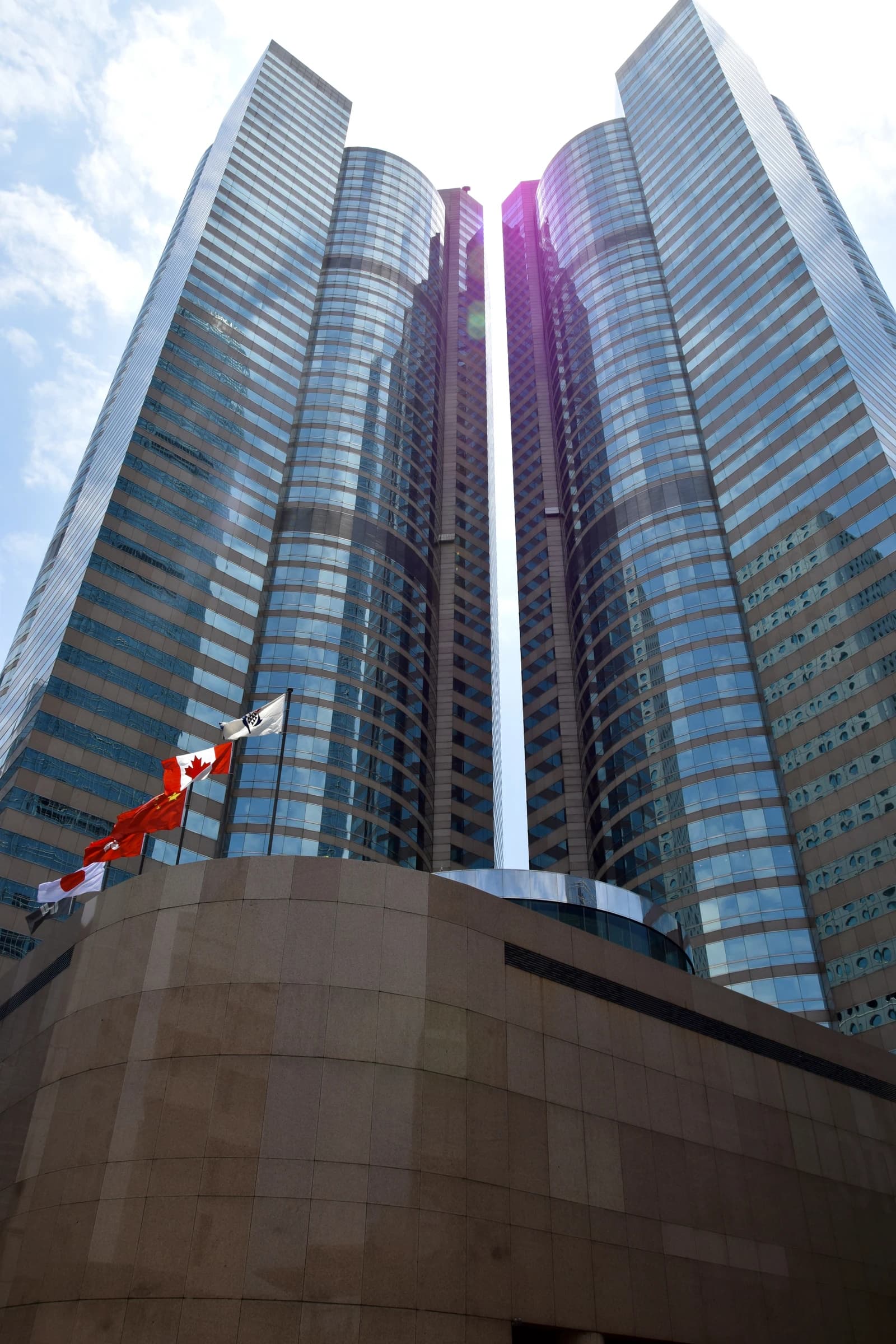
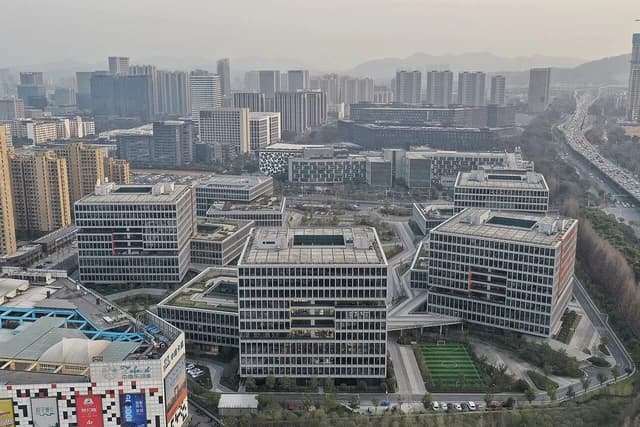
Alibaba shares are coming under pressure as JPMorgan trimmed its price target to $200 from $210 while keeping an overweight rating, with renewed scrutiny from China’s market regulator adding a fresh policy risk premium to the stock.
Alibaba Falls as JPMorgan Cuts Price Target to $200

The downgrade in target is modest, but it matters because it comes at a time when investors are already reassessing Alibaba’s ability to convert improving fundamentals into sustained share gains. China’s State Administration for Market Regulation has pressed Alibaba and other online platforms to tighten product quality checks and consumer protection, placing Taobao and Tmall directly in the regulatory spotlight. For a company whose valuation depends heavily on the health of its e-commerce franchise, even a limited compliance clampdown can affect sentiment, trading multiples and expectations for margin durability.
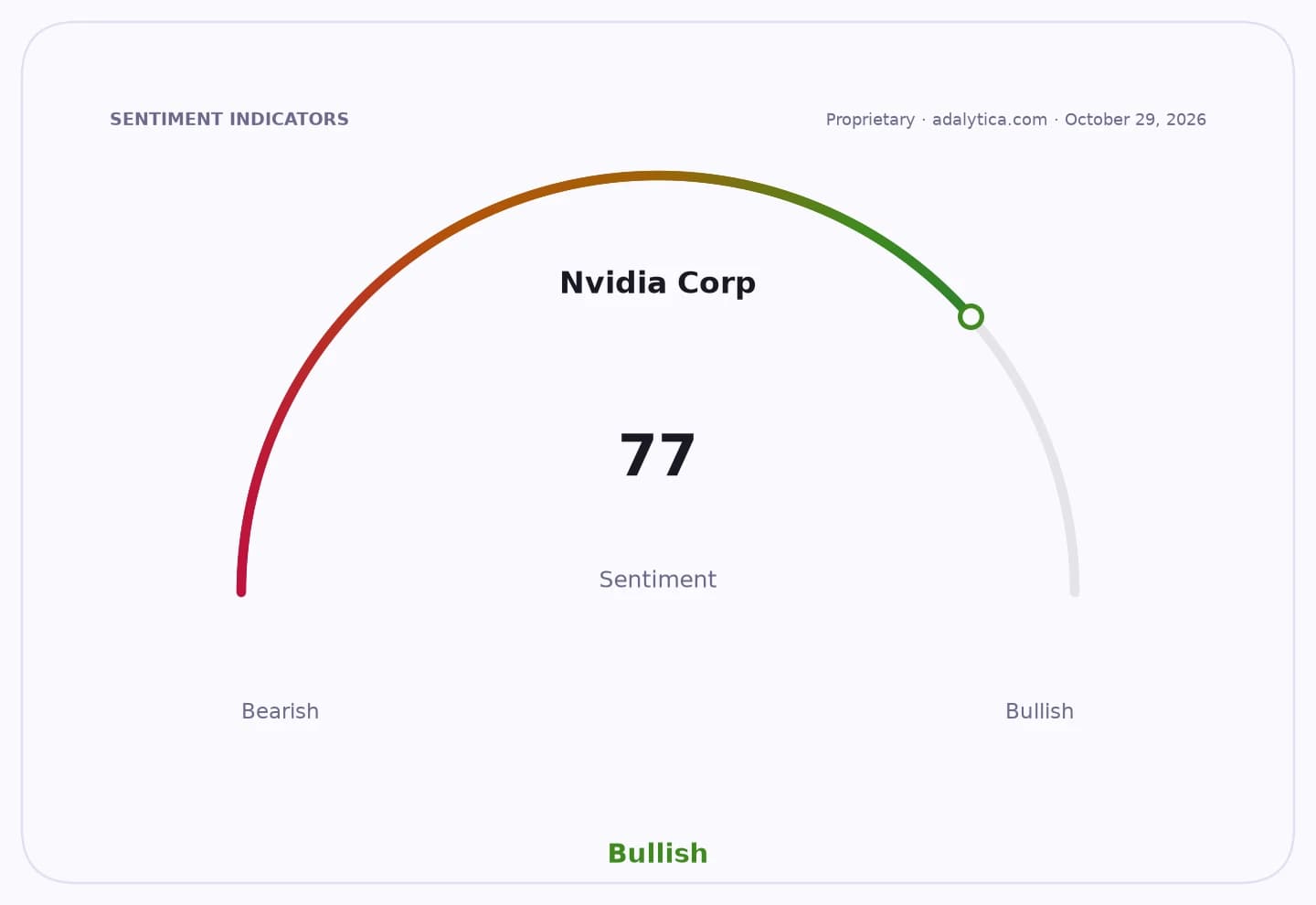
Sentiment Indicators
The stock fell 2% on the latest session and had its sharpest one-day drop in two months after the regulatory news, according to Bloomberg. Reuters also noted a broader selloff in Asian technology shares, with concerns over artificial intelligence spending and softer hopes for Chinese stimulus weighing on the sector. That broader backdrop matters because Alibaba is not just being judged on company-specific execution; it is also being traded as part of a wider risk basket tied to China tech, policy direction and capital intensity.
The regulatory concern is particularly sensitive because it lands on Alibaba’s core marketplaces. Taobao and Tmall are central to the company’s consumer commerce business, and any push for stricter oversight can raise operating costs while potentially slowing transaction growth. Even without direct penalties, the mere prospect of closer supervision can keep investors cautious on earnings quality and on the pace of monetisation across the platform.
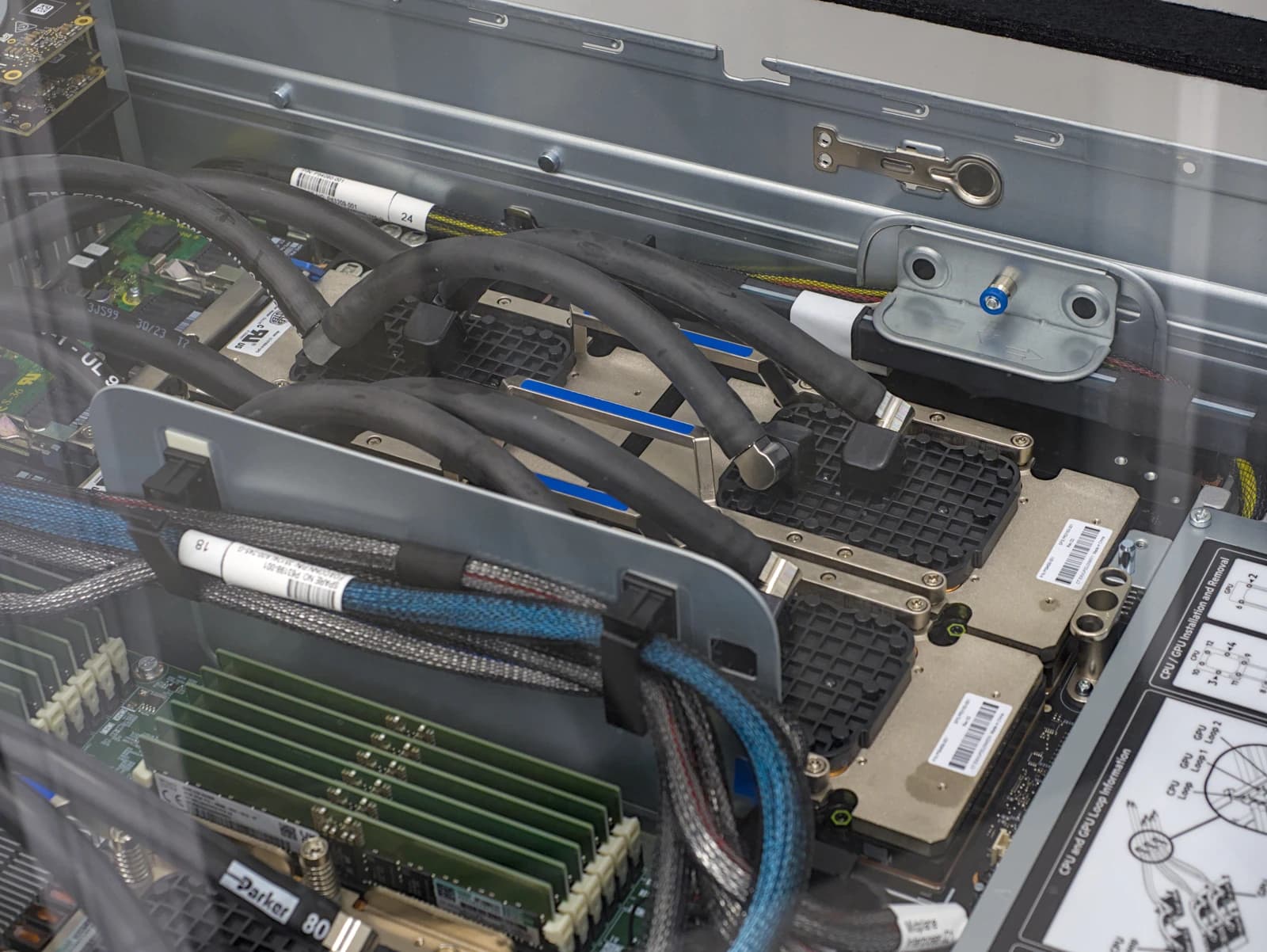
At the same time, Alibaba is facing uncertainty on the AI infrastructure side. Reuters reported this week that Alibaba, ByteDance and Tencent have together ordered more than 3 million Nvidia graphics processors, with a combined list price above $35 billion, though Nvidia has warned it may not be able to fulfill all of those orders. For Alibaba, that introduces a second layer of risk: if supply is constrained, the company may struggle to secure enough chips to support its cloud and AI ambitions, limiting the near-term payoff from heavy investment.
Against that backdrop, JPMorgan’s target cut looks less like a change in conviction than a recalibration of expectations. The bank’s continued overweight rating suggests it still sees upside, but the lower valuation target implies investors may need to accept a longer timeline before growth, regulatory stability and AI spending translate into a cleaner rerating.
Technically, the share price has also weakened materially from recent levels, with the stock trading well below its 50-day moving average and near the lower end of its recent range. That leaves Alibaba vulnerable to further pressure if China policy headlines continue to dominate the tape or if sentiment toward mega-cap tech turns more defensive.
For investors, the key question is whether the current selloff becomes a buying opportunity or the start of a longer de-rating phase. Bullish holders can point to Alibaba’s scale, still-positive broker support and the strategic value of its AI and cloud investments. Bears will argue that the stock remains hostage to China regulatory headlines and that the market is not yet rewarding the company for its long-term technology ambitions.
| Entity | Gains | Losses |
|---|---|---|
| JPMorgan | ▲More conservative valuation stance | ▼Near-term bullishness |
| Alibaba bulls | ▲Potential entry point if fears fade | ▼Momentum and multiple expansion |
| China regulators | ▲Tighter platform oversight | ▼Faster marketplace growth |
| Nvidia | ▲Demand from Chinese tech buyers | ▼Risk of delivery bottlenecks |