Alibaba’s bigger discount may look tempting, but Walmart’s steadier cash engine is still the cleaner long-term retail bet for investors who want compounding without the geopolitical hangover.
Walmart vs Alibaba: 2026 Retail Stock Comparison

That is the real story behind this 2026 matchup. Alibaba Group trades at a far cheaper valuation, and its business still has exposure to cloud computing and AI, but the market is demanding that discount for a reason: China risk, regulatory opacity and uneven profitability. Walmart, by contrast, is priced as a premium asset because it keeps doing what investors value most in uncertain markets — growing sales, generating cash and taking share without drama.
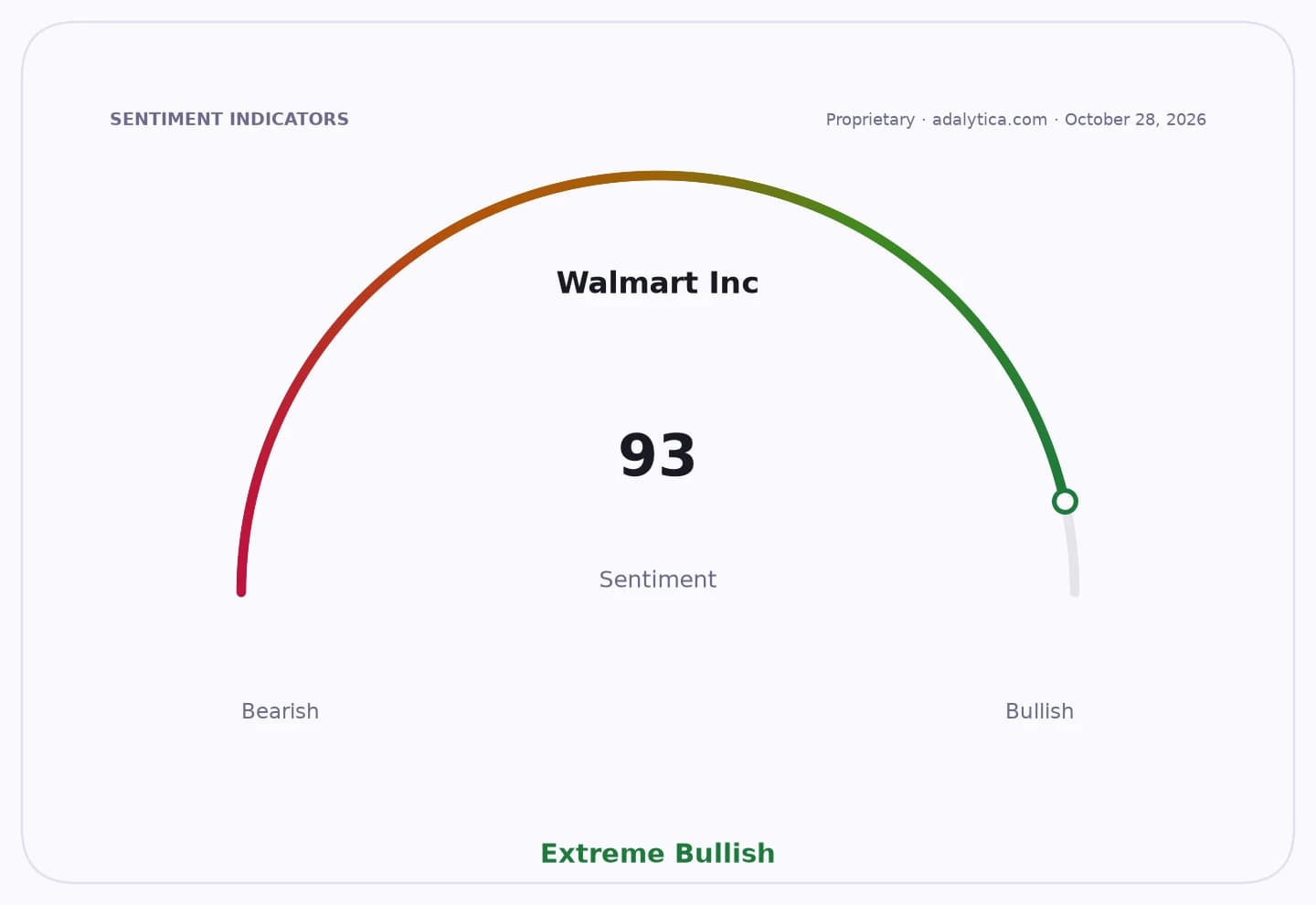
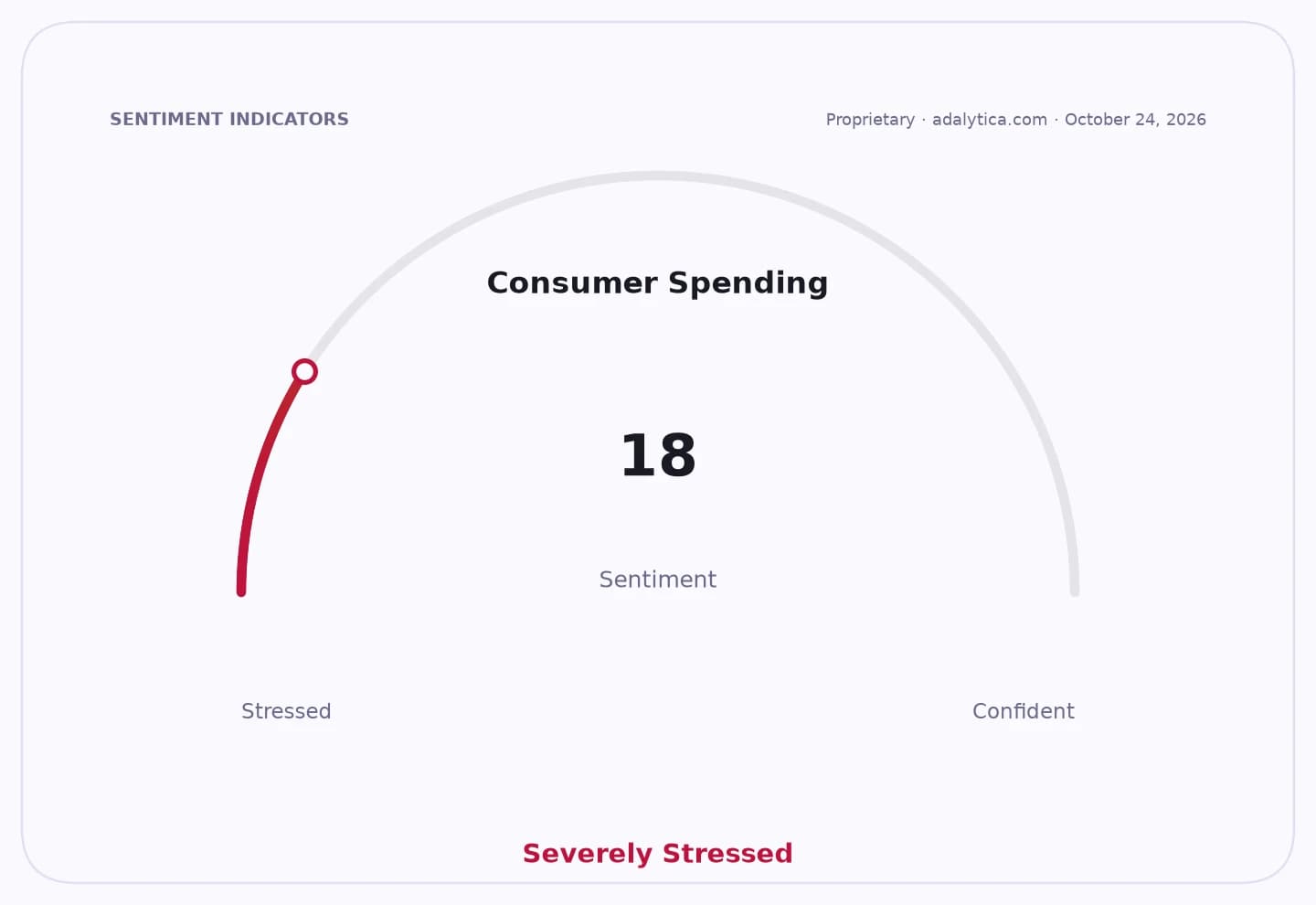
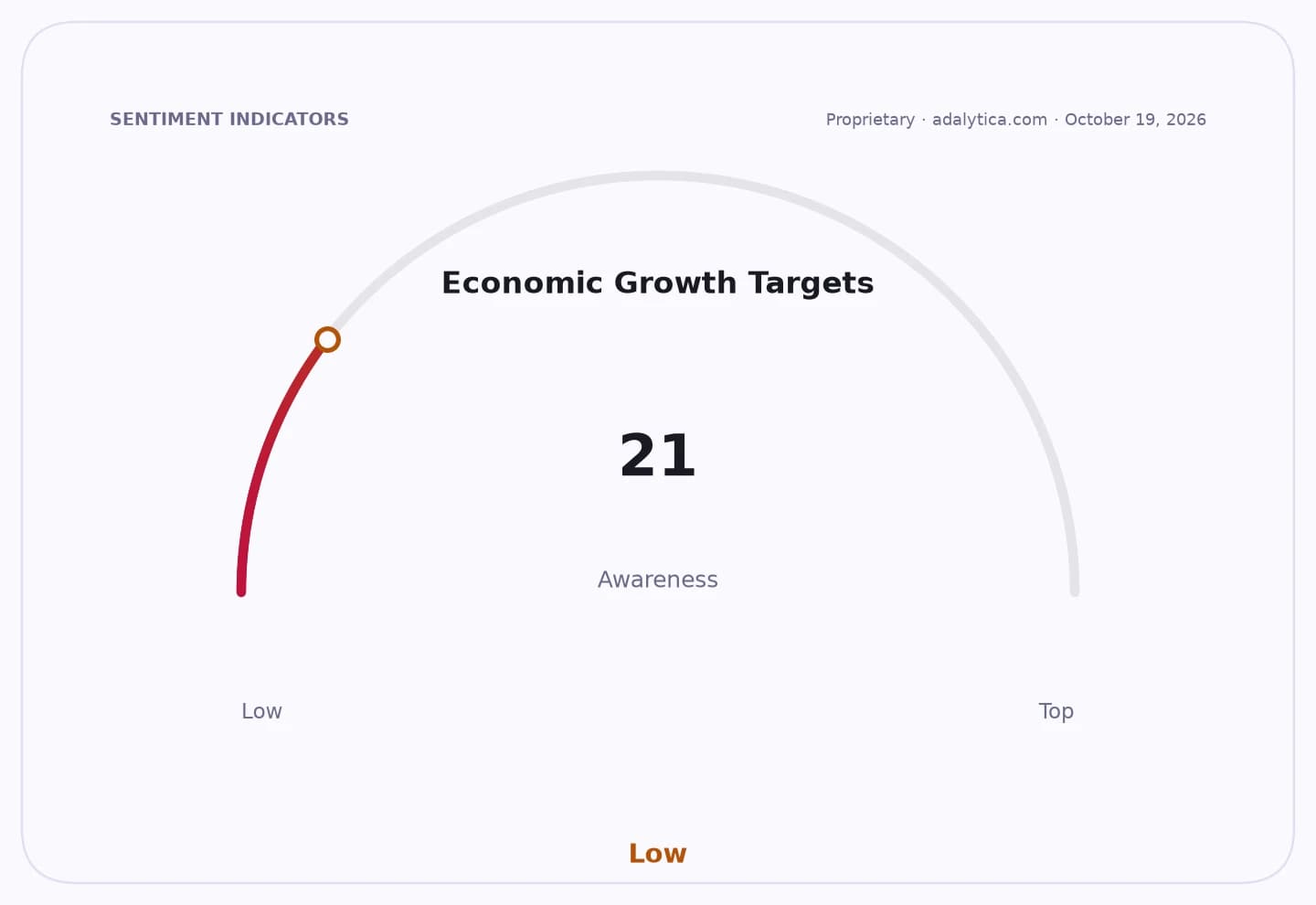
Sentiment Indicators

The numbers make the split clear. Alibaba generated $148.4 billion in revenue in fiscal 2026, up about 3% from the prior year, with net income of $14.8 billion and a 10% margin. Walmart was on a different scale entirely, posting $713.2 billion in fiscal 2026 revenue, up 5%, with $21.9 billion in net income and a 3.1% margin. Walmart’s margin is thinner, but its free cash flow of $14.9 billion was comfortably positive, while Alibaba’s was negative $7.6 billion as it kept spending heavily on capital assets.
For investors, that cash distinction matters more than it may first appear. A company can be cheap for a long time if the market doubts the durability of its earnings, and Alibaba’s own filing language underscores the problem: it warns that China’s legal system is partly based on policies and internal rules that may not be published promptly, or at all. That is the sort of uncertainty that can keep a discount in place even when the business remains large and competitive.
Walmart faces its own risks, including legal proceedings, supply-chain complexity and tariff exposure, but its business model is easier to underwrite. It has more than 10,900 stores, a growing digital operation and an e-commerce business that rose 23% in the latest quarter cited in the data. In a world where consumers still care most about prices, convenience and delivery speed, that mix is hard to beat.
The stock charts tell the same story. Walmart’s shares have held above their 50-day moving average and were still trading near the 200-day line, reflecting a market that keeps paying up for consistency. Alibaba’s shares, meanwhile, were trading below both their 50-day and 200-day averages in the latest data, a reminder that cheap valuations can stay cheap when sentiment is fragile.
Long-term investors do not need to choose between growth and safety in an all-or-nothing way. The better approach is to understand what you are actually buying. Alibaba offers deeper upside if China policy, consumption and AI-driven cloud demand all cooperate. Walmart offers something less flashy but often more valuable: a resilient retail moat, steady cash generation and a business that can compound through inflation, recession fears and shifting consumer habits.
If you are building a portfolio for the next three to 10 years, Walmart looks like the more dependable holding, while Alibaba belongs on the watchlist for investors comfortable with higher risk and a longer patience horizon. The winner is not necessarily the cheapest stock — it is the one you can still own when the story gets hard.
| Entity | Gains | Losses |
|---|---|---|
| Walmart | ▲Steady cash flow | ▼Growth premium |
| Alibaba | ▲Deep valuation discount | ▼Geopolitical risk |
| Long-term investors | ▲Resilient compounding | ▼Speculative uncertainty |
| Short-term value hunters | ▲Lower entry price | ▼Policy overhang |