Walmart is tapping debt markets for at least $2.5 billion in the US and considering its first Canadian-dollar bond sale as the retailer funds heavier investment spending and manages upcoming maturities.
Walmart plans $2.5B US debt sale, Canadian debut
Consumer Spending
The world’s largest retailer has already drawn more than $14 billion of investor demand for its four-tranche dollar deal, underscoring that high-grade issuers can still borrow on favorable terms even as corporate funding needs climb. The longest-dated US tranche tightened by about 30 basis points from initial talks to a spread of 0.45 percentage point over Treasuries, according to the report.
Sentiment Indicators
Walmart is also weighing a debut Canadian-dollar offering of at least C$3.5 billion, or about $2.5 billion, which would open a new funding channel and broaden its investor base. The retailer has asked Bank of America, Bank of Nova Scotia and Toronto-Dominion Bank to arrange investor calls for the proposed sale, which could include four tranches with maturities from four to 30 years.
The borrowing push reflects a capital program that is getting larger just as Walmart keeps returning to debt markets. Analysts expect the company to spend a record $29 billion next year, while it has about $3.3 billion of bonds maturing in 2027. Walmart typically issues bonds about once a year; this US offering would be its second trip to the market in 2026 after a $4.25 billion sale in April.
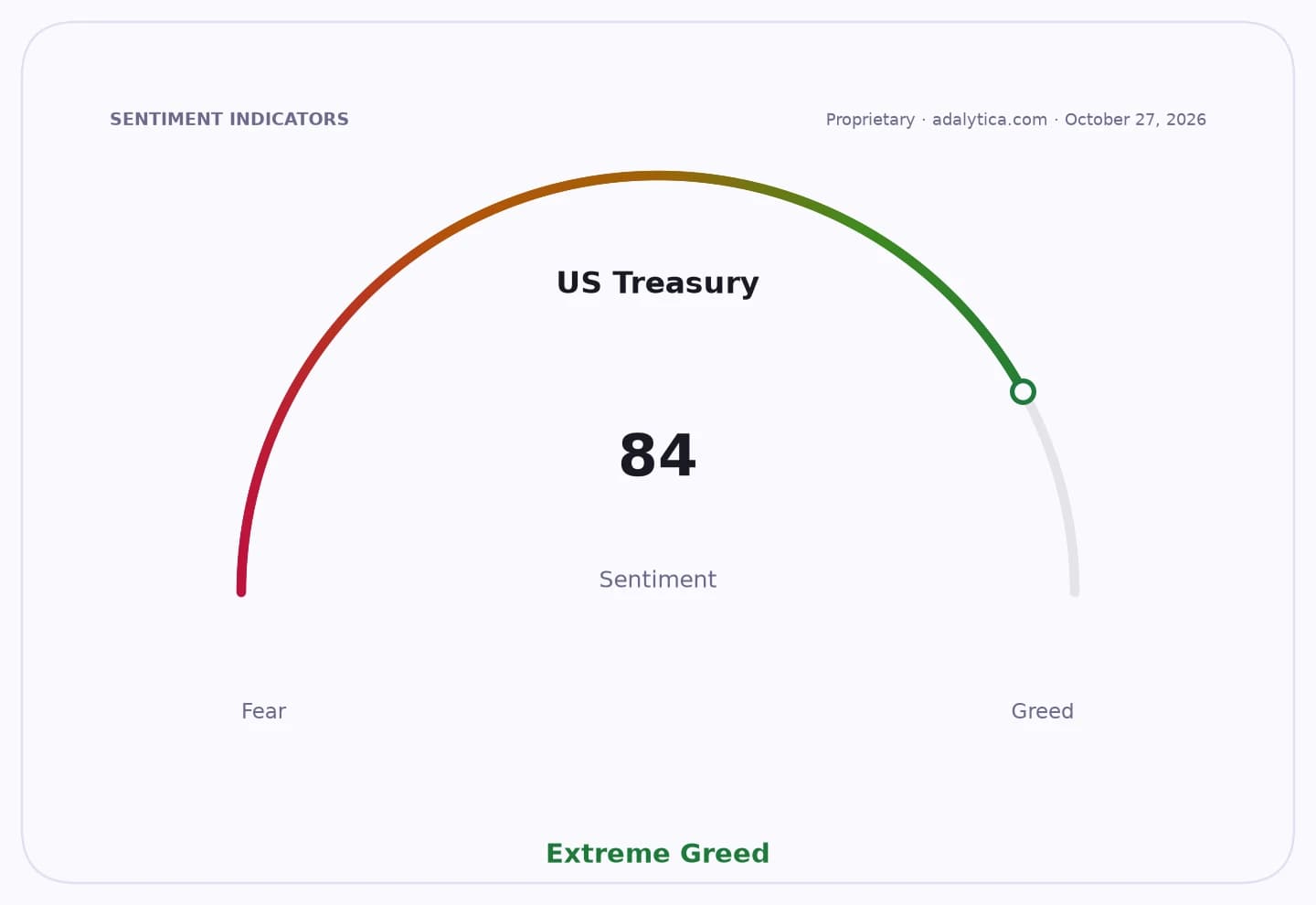
For investors, the message is that Walmart can still access cheap funding at scale despite a tougher macro backdrop and rising corporate borrowing needs across the market. The company’s shares have been trading well above both the 50-day and 200-day moving averages, while technical readings such as RSI remain elevated, reflecting strong momentum in the stock even as the retailer leans more on debt to finance growth.
A Canadian-dollar debut would also follow a broader trend of large US issuers seeking alternative markets to diversify funding, a path taken this year by Alphabet and Amazon as they financed heavy AI spending. For Walmart, the key question now is whether it proceeds with the Canadian deal, and at what size and pricing, as it balances expansion, automation and debt management.
| Entity | Gains | Losses |
|---|---|---|
| Walmart | ▲Cheaper funding, broader investor base | ▼Higher leverage, more debt service |
| Bond investors | ▲New high-grade supply, spread pickup | ▼Lower yields if demand stays strong |
| US and Canadian banks | ▲Underwriting fees, mandate wins | ▼Execution risk if pricing shifts |
| Existing Walmart shareholders | ▲Liquidity for growth spending | ▼Dilution of returns from higher financing costs |