Alibaba warned that fresh U.S. restrictions on remote access to advanced computing could complicate its overseas data-center plans, underscoring how Washington is closing another route Chinese tech firms have used to train artificial intelligence models just as demand for AI infrastructure keeps surging.
Alibaba Warns U.S. Rules Could Hit Cloud Expansion
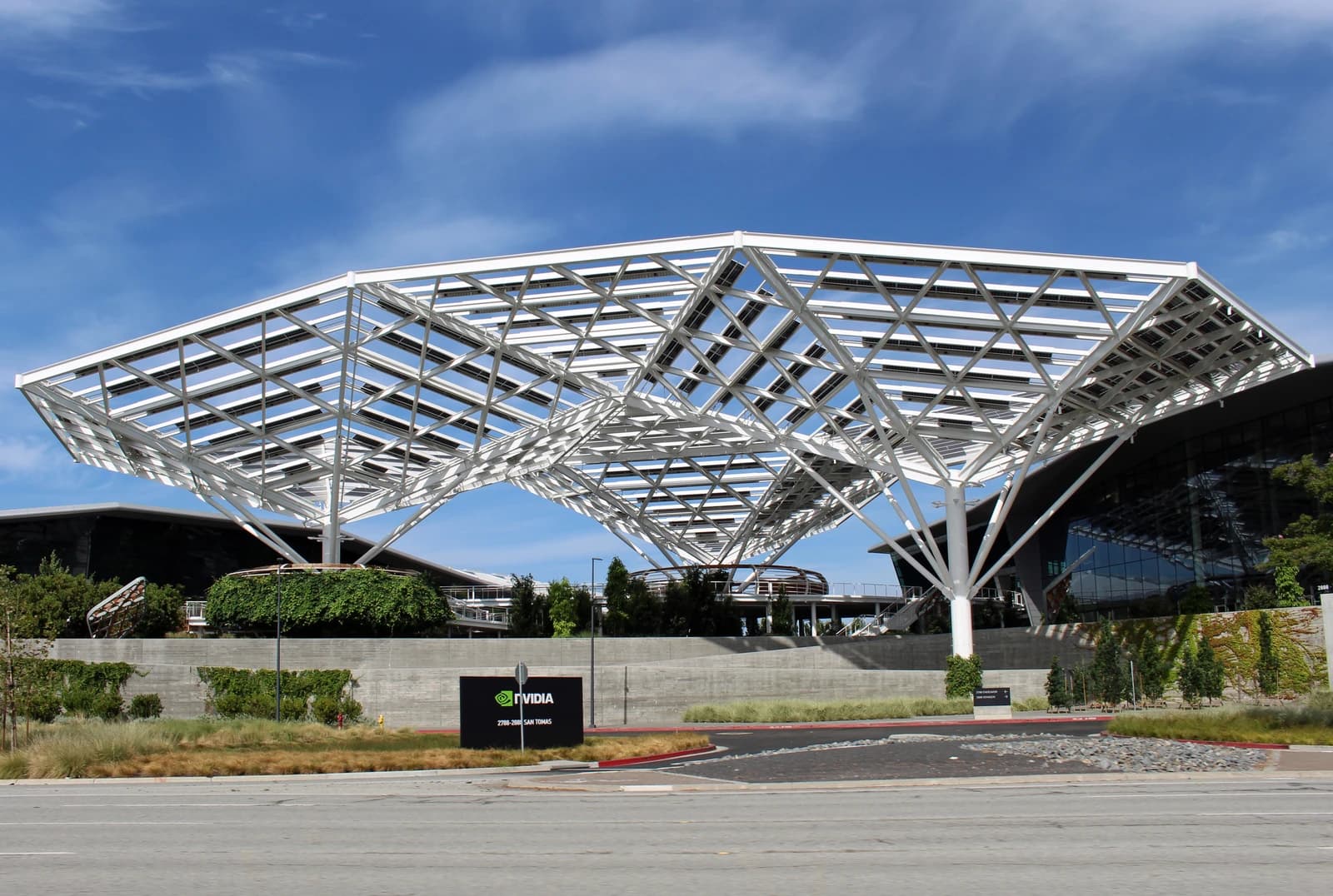
The timing matters because the new rules go after a workaround, not just chip sales. For years, Chinese companies blocked from buying the most powerful Nvidia processors have still been able to rent computing power abroad through third-party data centers. That channel is now under pressure, tightening an already constrained supply of training capacity and raising the cost of building frontier AI in China.
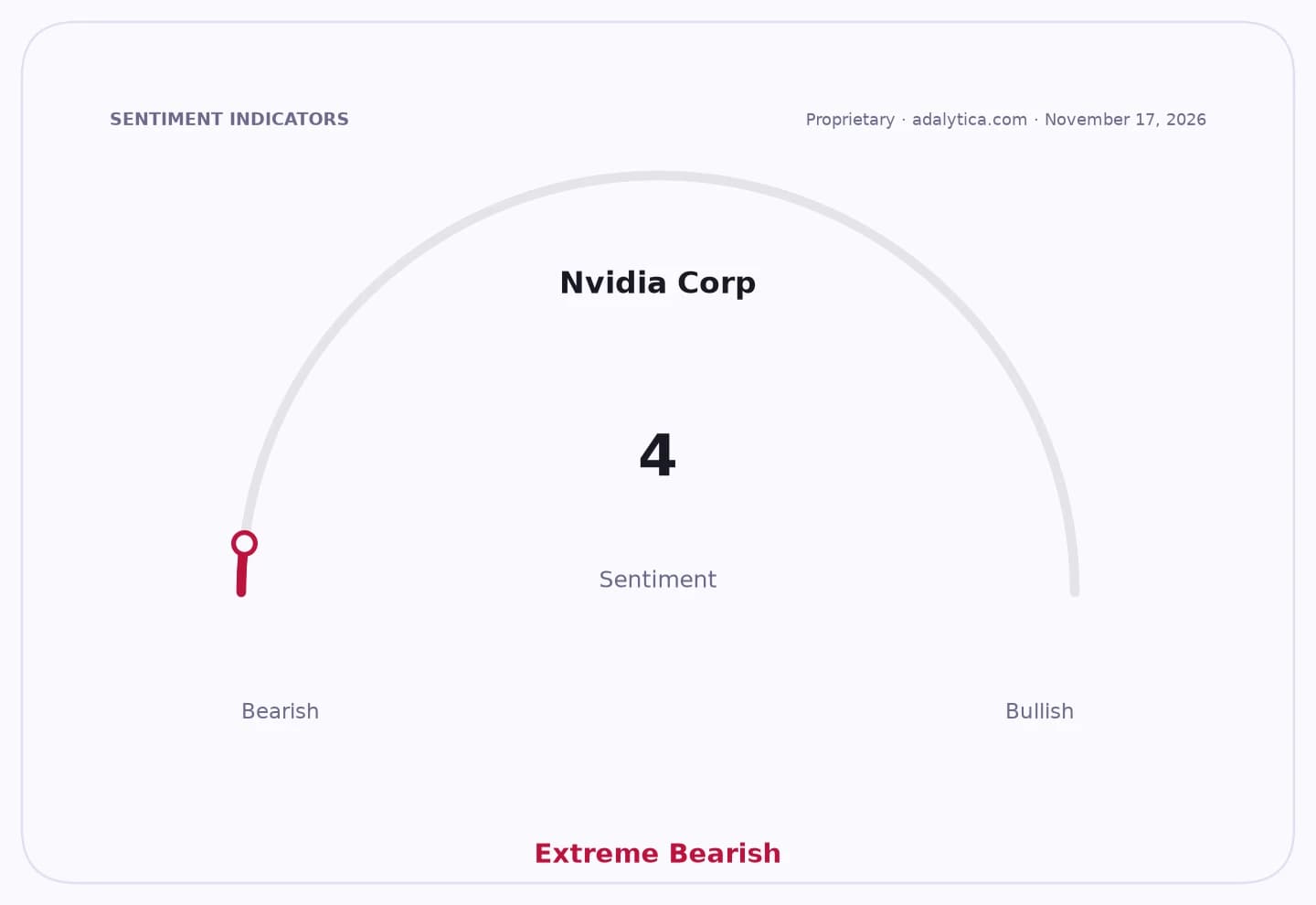
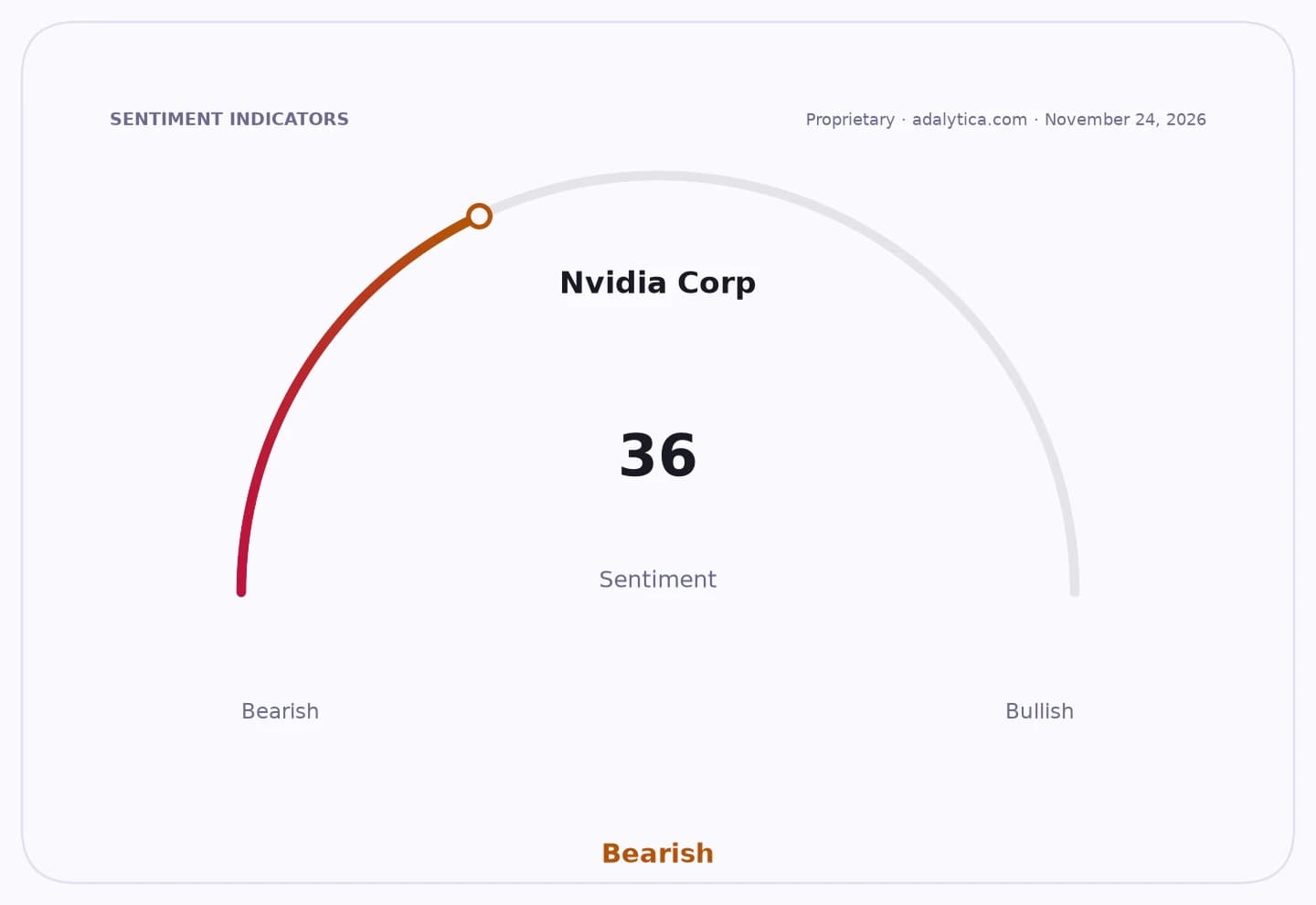
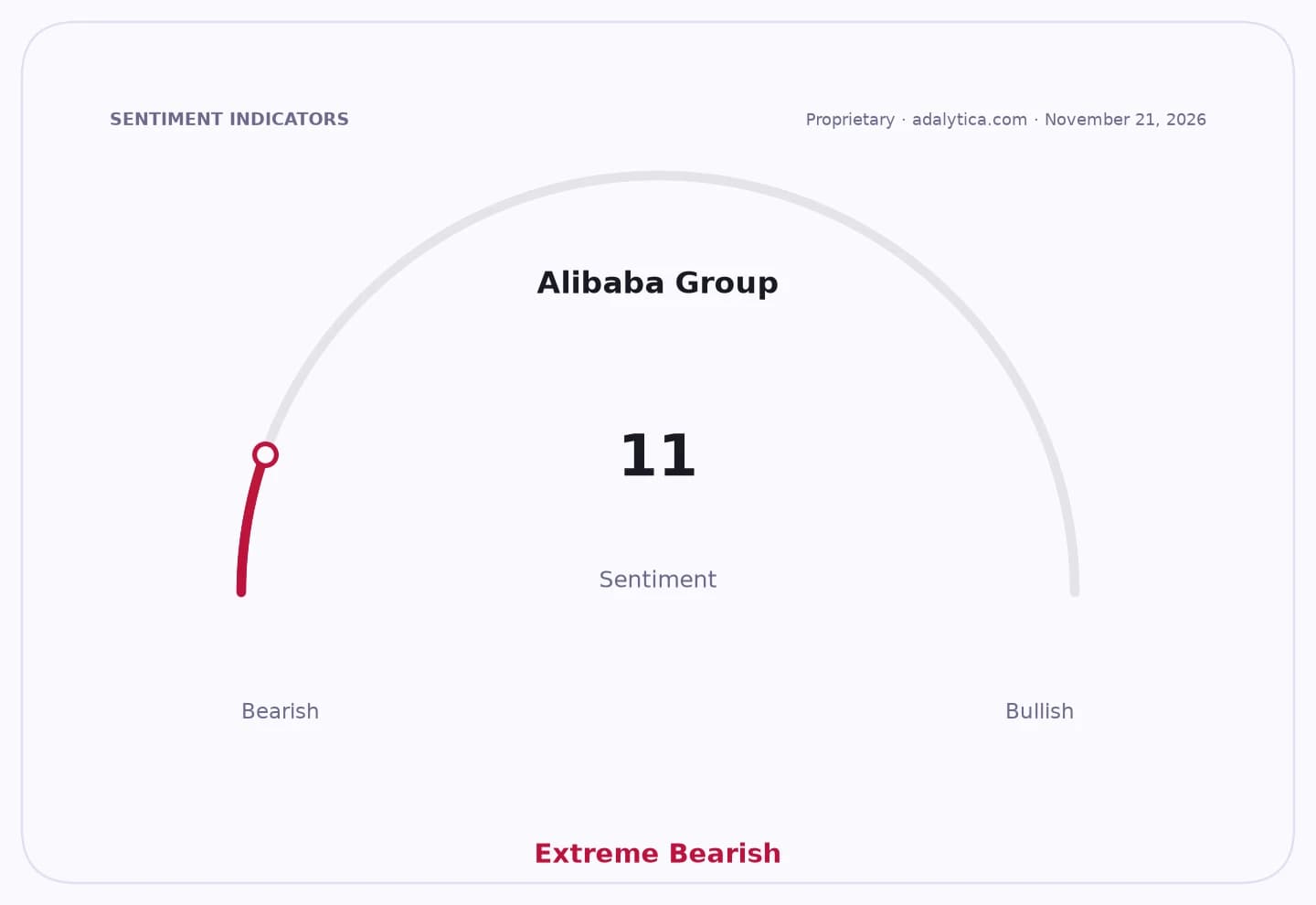
Sentiment Indicators
Alibaba said it is still assessing the impact, but the risk is clear: less access to advanced compute means slower model training, more capital intensity and a bigger gap between China’s AI leaders and U.S. rivals. Tencent made the same point this week, saying the new rules “delay everyone in China” and could push back timelines for next-generation models.
For investors, the message is bigger than one company. China’s internet giants are moving from software platforms into heavy industrial-scale infrastructure spending, and that spending is increasingly vulnerable to geopolitics. Alibaba just reported cloud and AI-computing revenue rose 53% from a year earlier to nearly 61 billion yuan, or about $9 billion, while capital spending jumped 60% to 50.5 billion yuan as it poured money into AI infrastructure. That is a powerful growth signal, but it is also a warning that returns on that capex may be less predictable if access to foreign chips and compute is restricted further.
Nvidia’s slide sharpens the stakes. The chipmaker said it is no longer shipping some products, including the H200, to China, even as the Trump administration has already approved some sales. The latest restrictions appear designed to shut a loophole that allowed Chinese firms to access advanced GPU capacity indirectly, and analysts expect more policy tightening after security concerns around Nvidia’s China ties intensified.
The investable implication is that the market should not think of this as a simple headwind for Chinese AI names. It is also a catalyst for domestic substitution. Every new U.S. restriction increases the incentive for Alibaba, Tencent and their peers to accelerate in-house chips, local cloud infrastructure and national supply chains. That is a long-duration opportunity for Chinese semiconductor and data-center beneficiaries, even if the near-term effect is higher costs and slower deployment.
Alibaba’s strong cloud growth shows the AI demand is real. The question now is how much of that demand can be monetized if the highest-performance compute remains out of reach. If Washington keeps tightening the screws, the winners are likely to be companies that control scarce domestic infrastructure and localized AI tooling — not the platforms still dependent on Nvidia’s ecosystem.
| Entity | Gains | Losses |
|---|---|---|
| Alibaba | ▲Domestic AI demand pull | ▼Overseas expansion plans |
| Tencent | ▲Push to localize compute | ▼Training timelines |
| Nvidia | ▲Short-term pricing power | ▼China sales access |
| Chinese chip makers | ▲More self-sufficiency demand | ▼Need to catch up fast |