The biggest shift in Alicante’s housing market is not a price chart or a mortgage rate move — it is who is buying. Dutch purchasers have now overtaken British buyers in one of Spain’s most closely watched coastal destinations, a historic turn that underscores how international demand around the Mediterranean is being reshuffled rather than disappearing.
Alicante Housing Market Sees Dutch Buyers Overtake Britons

That matters because Alicante has long been a bellwether for foreign retirement, holiday and second-home demand. When the mix of buyers changes, so do the economics of the market: which currencies matter, which countries are sensitive to rates and politics, and which neighborhoods can keep absorbing overseas capital. For investors, that makes the story bigger than a local curiosity. It is a reminder that European housing demand is increasingly driven by cross-border wealth migration, not just domestic incomes.
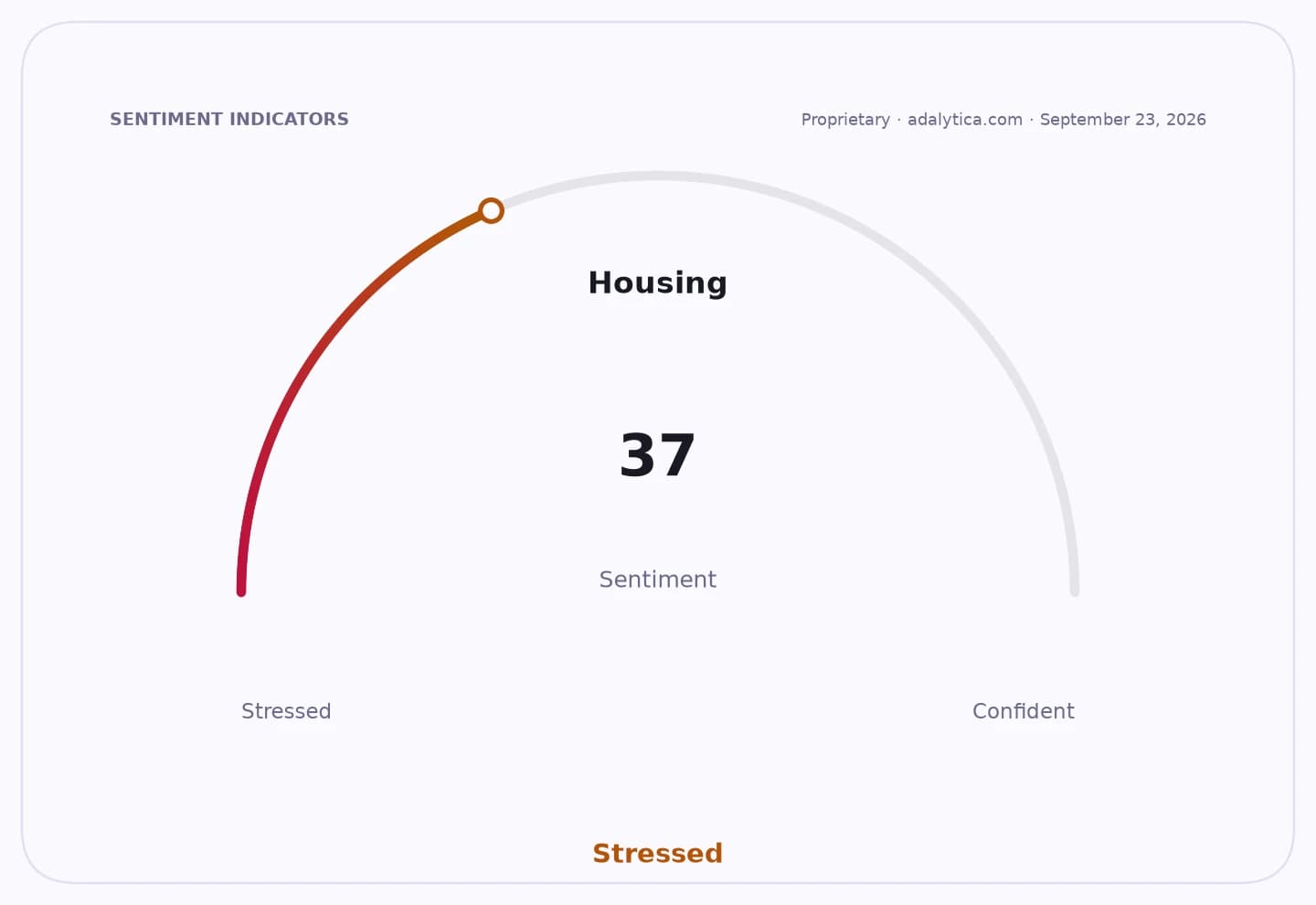
Sentiment IndicatorsⓘProprietary · adalytica.com · September 24, 2026
This is a snapshot — live sentiment, awareness and momentum for 130+ markets update continuously in the dashboard.Open AlphaPulse
For Britain, the shift is another sign that Brexit-era frictions, a weaker relative appeal for lifestyle buyers and higher financing costs are still shaping overseas property decisions. For the Netherlands, it suggests buyers with stronger purchasing power and a long-standing appetite for stable, sunny assets are taking a larger share of Spain’s coast. In practical terms, that can support prices in desirable areas, tighten supply for locals and keep transaction volumes elevated even when the broader economy cools.
The move also fits a wider pattern in housing: demand is rotating toward markets that offer lifestyle value, climate resilience and long-term scarcity. Those forces matter in a world where people are more willing to own across borders, rent out part of the year, or move permanently to lower-cost regions within the euro area. Alicante’s appeal is not just about beaches; it is about the persistent pull of real assets in a high-uncertainty world.
At the same time, the broader housing backdrop remains uneven. Sentiment gauges tied to the U.S. housing market are flashing mixed signals, and homebuilder shares have been volatile as investors weigh affordability, rates and demand durability. But that is precisely why Alicante stands out: the foreign-buyer story shows that even in a softer macro environment, prime destinations can attract capital from where it is strongest.
For long-term investors, the lesson is simple. Housing is not one market; it is a collection of local markets shaped by policy, demographics and buyer psychology. Alicante’s changing buyer mix is a reminder to watch where demand comes from, not just how much of it exists. In that sense, the Dutch overtaking the British is worth keeping on the watchlist.
| Entity | Gains | Losses |
|---|---|---|
| Dutch buyers | ▲Greater share of prime coastal inventory | ▼None immediate |
| British buyers | ▲— | ▼Lost dominance in Alicante |
| Alicante sellers | ▲Deeper foreign demand | ▼More dependence on overseas capital |
| Local buyers | ▲— | ▼More competition for homes |