Almaty’s air-pollution problem is proving bigger than the city’s near-total gasification, because the real smog engine still sits in the surrounding suburbs where hundreds of thousands of tons of coal are burned each winter.
Almaty Region Coal Use Keeps Smog Problem
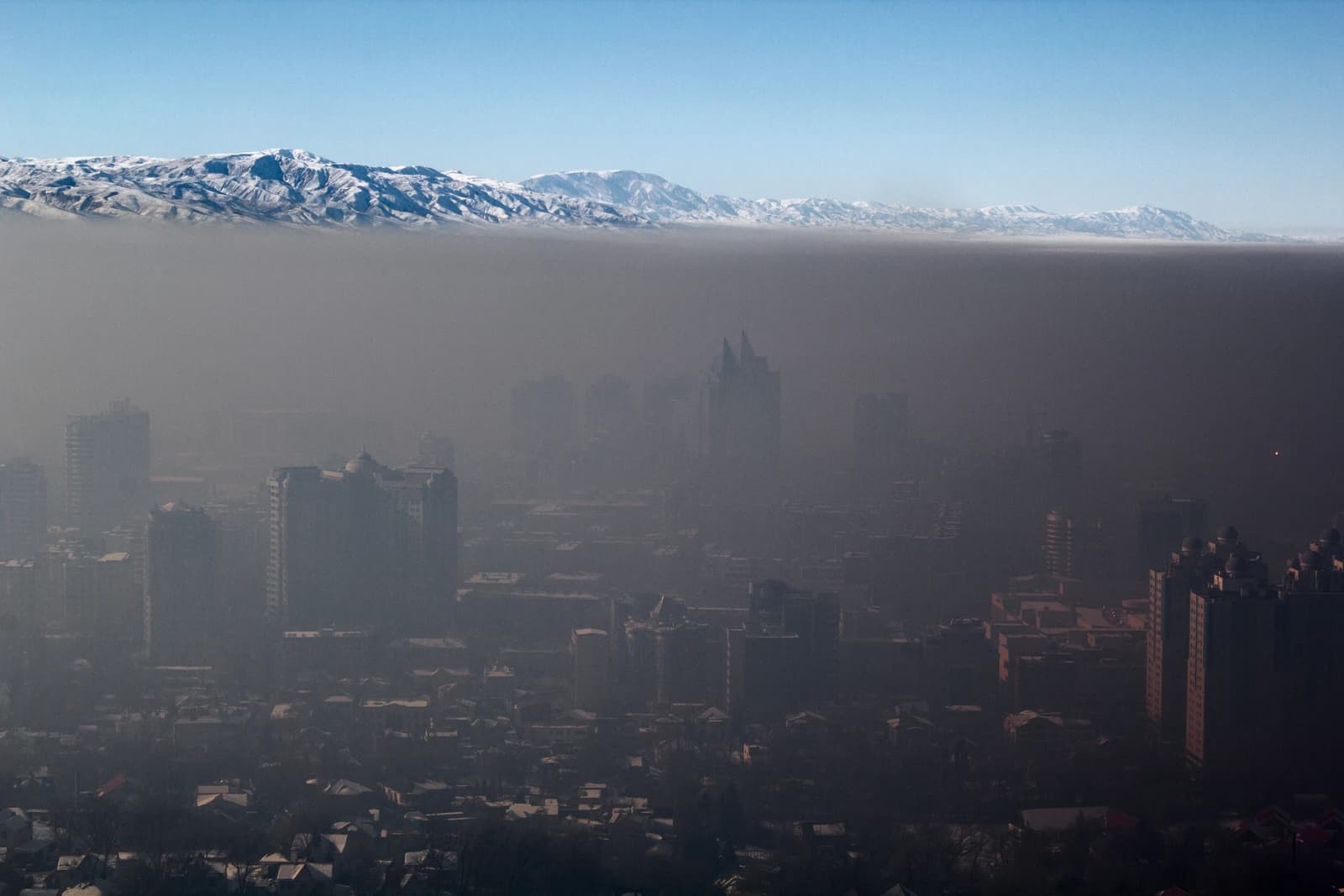
That is the key economic takeaway from the latest regional heating update: even with gas coverage in Almaty at 99.6%, the metropolitan area will continue to choke on emissions from nearby towns and districts that still rely heavily on solid fuel. The Almaty region says residents of private homes need about 666,000 tons of coal for heating, a scale that makes it clear why cleaner air cannot be achieved by the city alone.
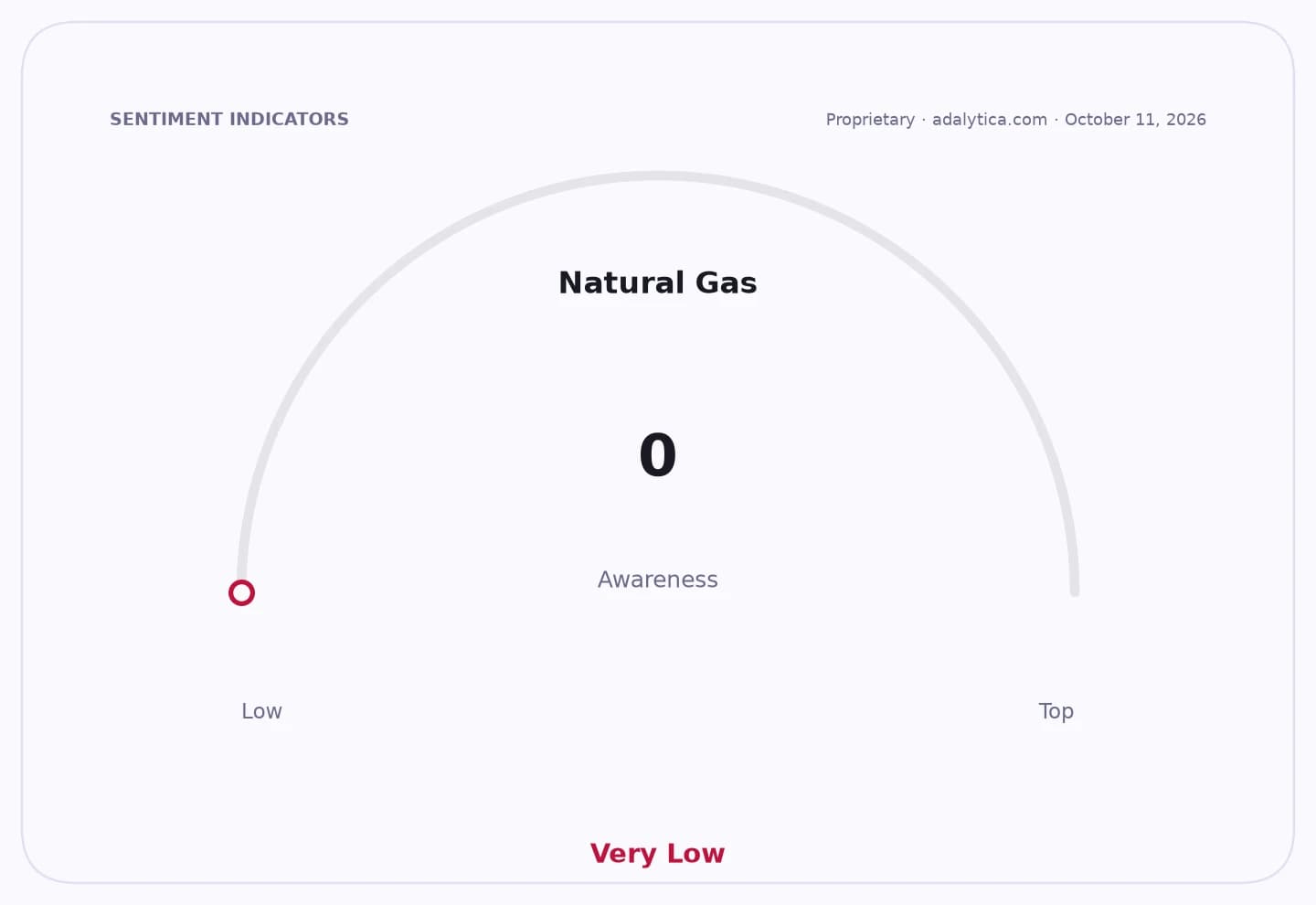
Sentiment IndicatorsⓘProprietary · adalytica.com · October 9, 2026
This is a snapshot — live sentiment, awareness and momentum for 130+ markets update continuously in the dashboard.Open AlphaPulse
For investors and policy makers, the story matters because it shows the limits of infrastructure spending when pollution is a cross-border urban problem. Gas pipelines inside city limits help, but they do not eliminate the demand for coal in the broader commuter belt. Until those surrounding settlements are connected to gas networks, the air over Almaty will keep absorbing the economic cost of an outdated heating system: higher health burdens, continued fuel logistics, and recurring public spending on boilers, networks and winter fuel inventories.
The regional government is still pushing ahead on the margin. It has allocated 13.6 billion tenge for the 2026 heating season in Almaty region, including money for coal and liquid fuel purchases and repairs to energy facilities. Another 2.8 billion tenge is coming from utilities, including 2 billion tenge for heat-network reconstruction under a national modernization program. This year, 6.7 kilometers of heat lines were upgraded, trimming wear on the network only slightly, to 38.5% from 40%.
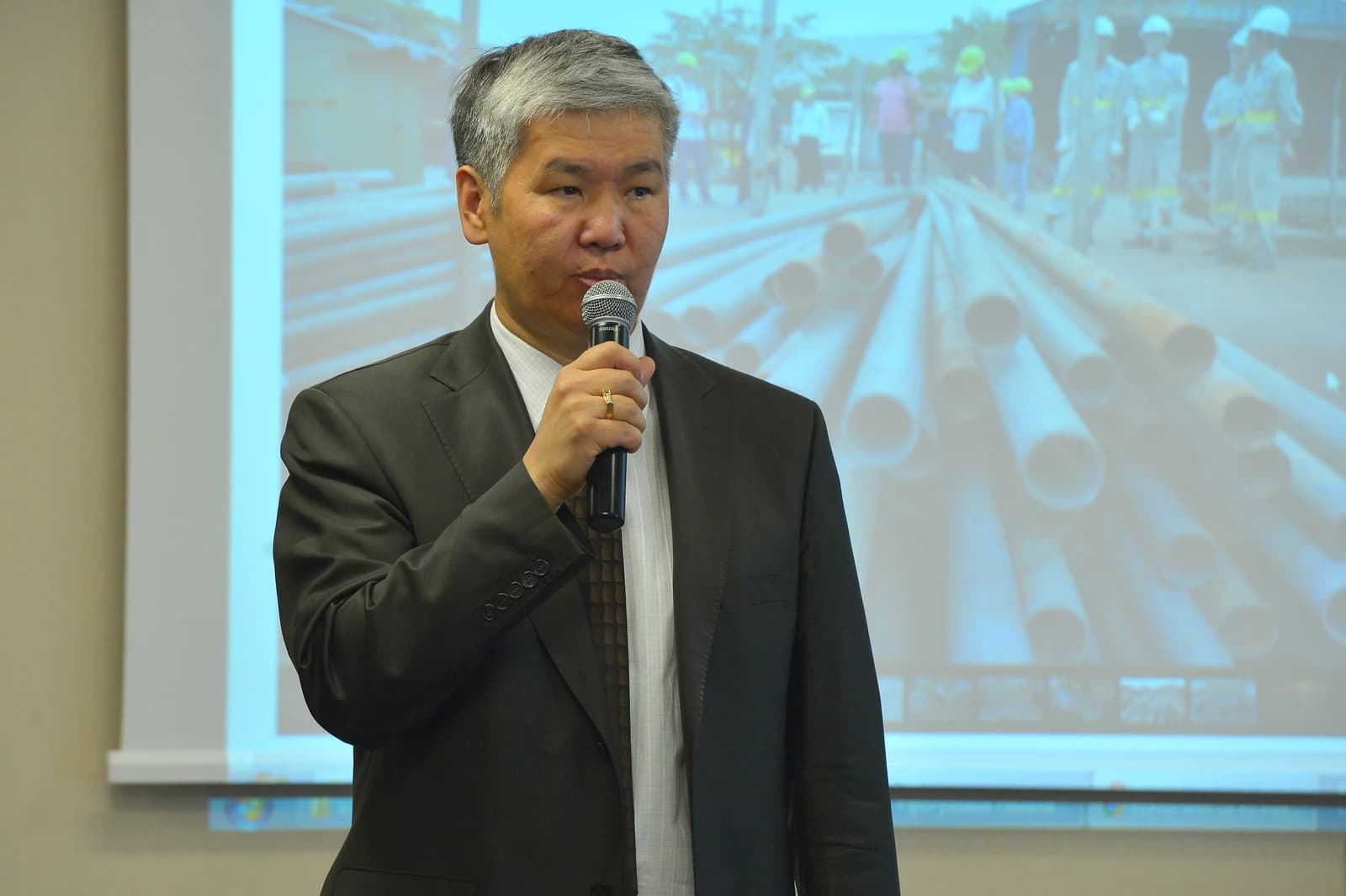
The scale of the remaining challenge is plain in the numbers. The region has nearly 190 kilometers of heat networks, 18 centralized boiler houses and 84 modular boilers to serve apartment blocks and social facilities. About 71% of the region’s 2,150-plus apartment buildings are connected to centralized heating, but the rest still depend on local solutions. Officials say access to gas is expanding at a pace that cuts solid-fuel use by 6% to 7% a year, yet they stop short of promising a full transition anytime soon.
That is why the headline for Almaty is not completed gasification, but incomplete regional integration. The city itself is almost fully connected, and another 200 homes could eventually be added once more than 10 kilometers of gas pipelines are built. But the smog problem is regional, not municipal. As long as the suburbs remain tied to coal, the clean-air payoff from gas investment inside the city will be limited.
For long-term investors, the lesson is straightforward: this is a multi-year infrastructure theme, not a quick fix. Gas utilities, heat-network contractors and fuel distributors all have roles to play, but the biggest beneficiaries are likely to be the companies and projects that can extend networks outward and replace coal at scale. For residents, the next few winters will still be shaped by the same reality — progress is visible, but the air will not clear overnight.
| Entity | Gains | Losses |
|---|---|---|
| Gas network builders | ▲More pipeline spending | ▼Slower project completion |
| Coal suppliers | ▲Ongoing suburban demand | ▼Gradual fuel substitution |
| Almaty residents | ▲Cleaner air over time | ▼Continued smog exposure |
| Regional budget | ▲Targeted infrastructure upgrade | ▼Repeated winter spending |