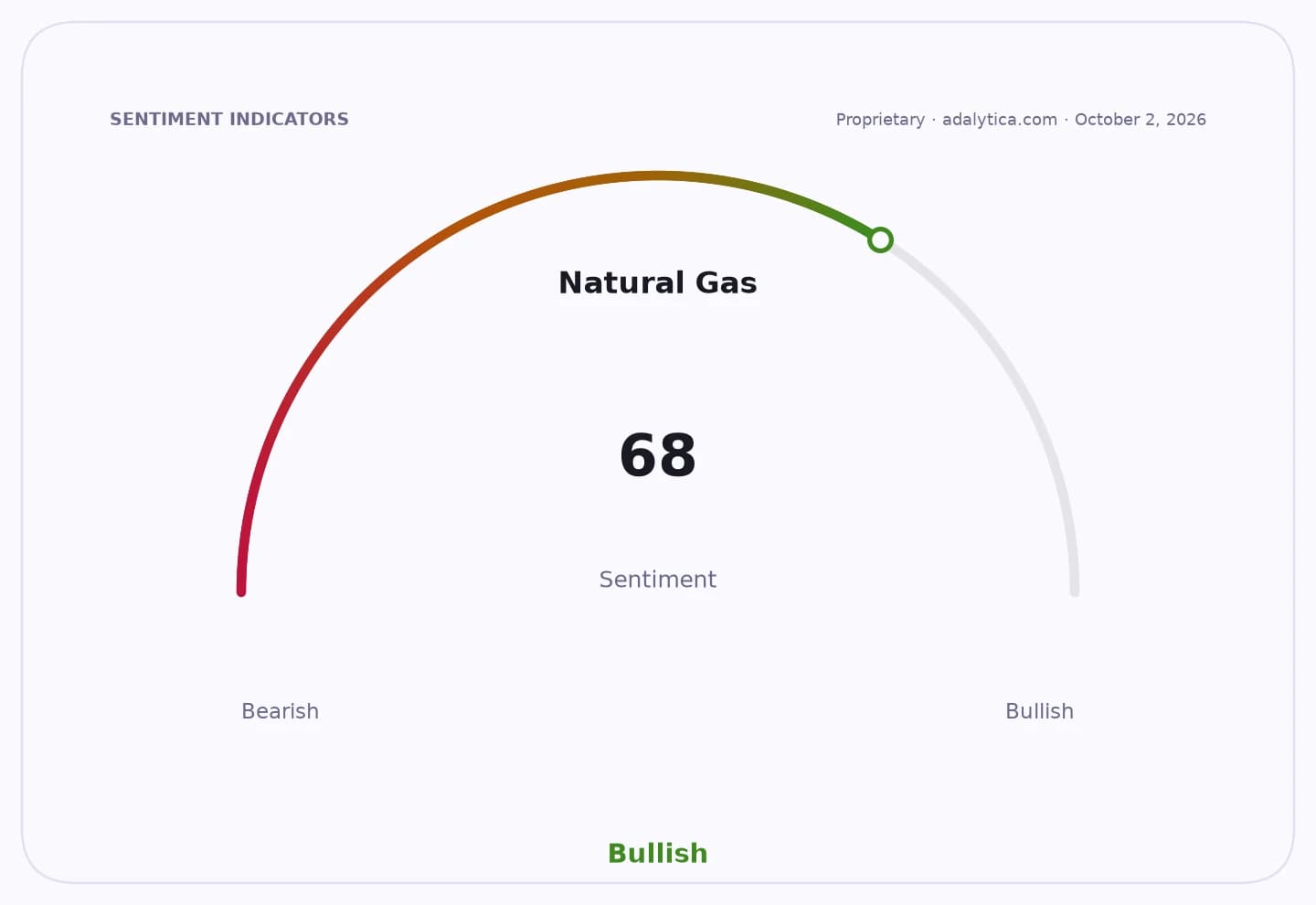
The first homes in Patras are scheduled to be connected to natural gas in the first quarter of 2027, marking the point when a long-running infrastructure buildout starts to reach consumers and potential demand shifts from planning to execution.
Patras Homes Set for Natural Gas Connections in 2027
That matters because the economic value of a gas network is only realized when households actually connect. For Patras, the biggest development is not simply that pipes are being laid, but that the project is moving toward commercial uptake in Zarouchleika and surrounding streets near Antheias, where the network construction began. Once the first meters are installed and service is switched on, the issue becomes less about infrastructure and more about adoption, billing and the pace at which residents decide to switch heating systems.
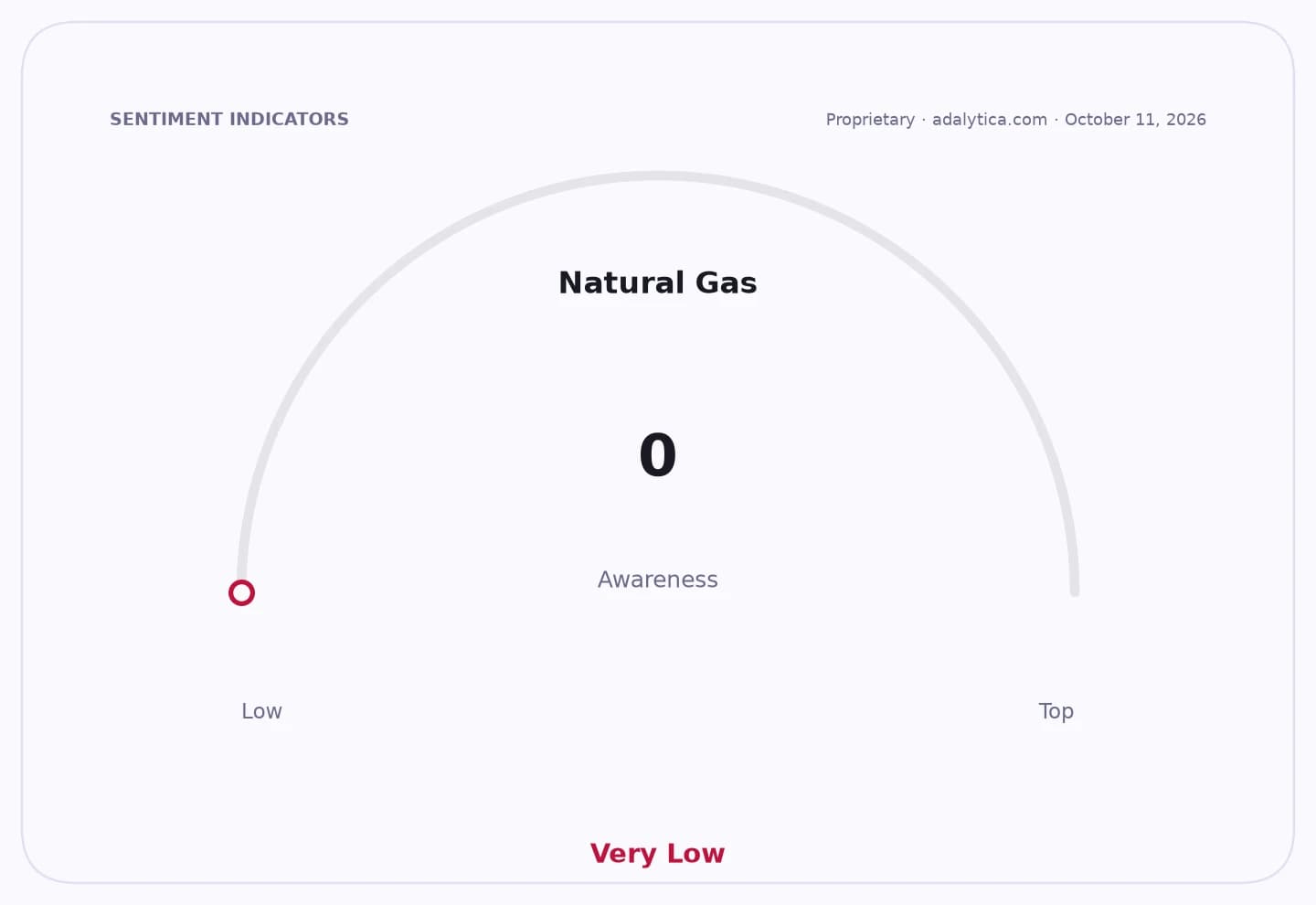
Sentiment IndicatorsⓘProprietary · adalytica.com · October 11, 2026
This is a snapshot — live sentiment, awareness and momentum for 130+ markets update continuously in the dashboard.Open AlphaPulse
The process is straightforward in structure but costly in practice. Gas is delivered through an underground pipeline network under the road surface, while each property needs a separate service line from the main pipe to the building. At the connection point, an enclosure holds the meter and pressure regulator. From there, gas runs through internal piping to boilers, stoves or water heaters. Before activation, technicians must complete leak and safety checks because natural gas is odorless and is treated with odorant for early leak detection.
For households, the key question is whether the existing heating system can be adapted. A switch to natural gas does not automatically require a full replacement of the boiler, but an oil-fired boiler cannot burn gas without technical modifications. Depending on the age and condition of the equipment, homeowners may only need to replace the burner, or they may need a new gas boiler entirely. LPG systems may also be converted in some cases, provided the manufacturer allows it and licensed technicians make the required adjustments. That makes the upfront cost highly variable, which could slow adoption among price-sensitive households even after the network reaches the street.
The distribution network operator is responsible for the pipelines, the point of connection to the property, the metering equipment and the commissioning checks. The gas supplier is separate, and the customer will choose the commercial provider that determines pricing and contract terms. That split is important for investors and the local market because it means the infrastructure rollout and the retail economics are not the same thing: a completed network does not guarantee immediate throughput or margin expansion if households delay conversion.
In multi-apartment buildings, the connection model will depend on the heating system. Buildings with individual heating can be served by separate meters, while those with shared central heating may use a single meter for the entire installation. That favors faster uptake in buildings that already have autonomous systems, but leaves more complex retrofits for older blocks with central heating — often the hardest segment to convert quickly.
Patras is also preparing for the commercial side of the rollout. Regional official Fokion Zaimis said a space has already been identified on the New National Road for an information office for residents seeking guidance on gas connections. That suggests the project is entering the phase where administrative support, technical surveying and consumer education become as important as trenching and pipe laying.
For the city, the rollout could eventually lower heating costs for some households and diversify fuel supply options. For residents, the near-term calculation is less about long-term energy policy and more about payback: the cost of internal work, appliance conversion and any connection fees versus the savings from moving away from oil or LPG. The pace of sign-ups in 2027 will show whether Patras becomes a meaningful urban gas market or remains a network with limited household penetration.
| Entity | Gains | Losses |
|---|---|---|
| Patras households | ▲Potential lower heating costs | ▼Upfront retrofit expense |
| Network operator | ▲New customer connections | ▼Slow adoption risk |
| Gas suppliers | ▲New retail demand | ▼Price-sensitive churn |
| Oil/LPG users | ▲None | ▼Fuel demand and market share |