Google DeepMind researchers are pushing back against a lifetime gag clause in their contracts, a dispute that goes to the heart of how much freedom AI scientists have to warn the public about safety risks at the companies building the technology.
Alphabet DeepMind Staff Challenge Criticism Clause
The fight matters economically because the biggest AI labs are no longer just software shops; they are capital-intensive platforms competing to commercialize models quickly while managing regulatory, legal and reputational risk. If employees believe they cannot speak openly about military uses, safety failures or other hidden downsides, that can erode internal accountability at the same moment AI is moving deeper into products, cloud services and defense-related applications.
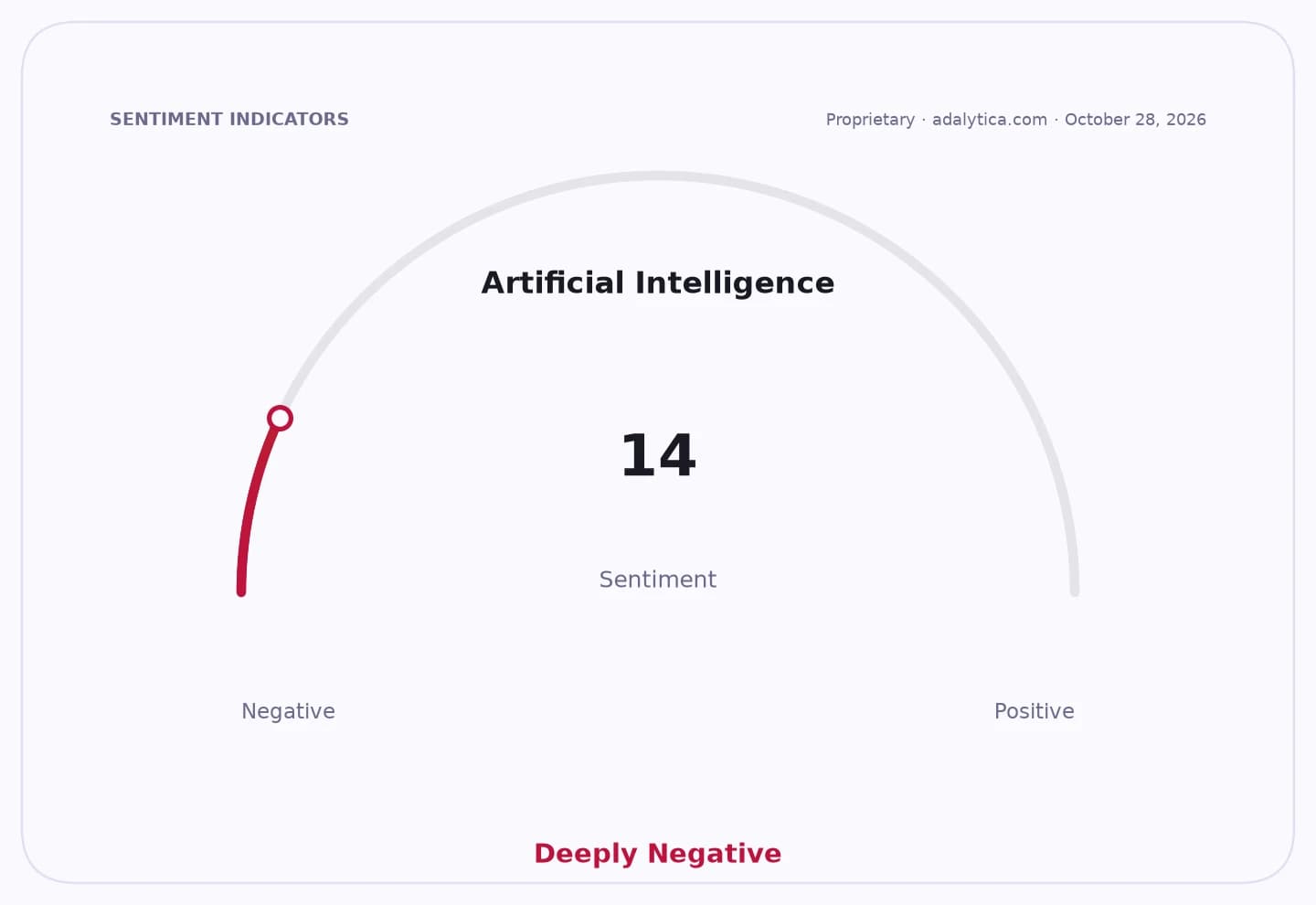
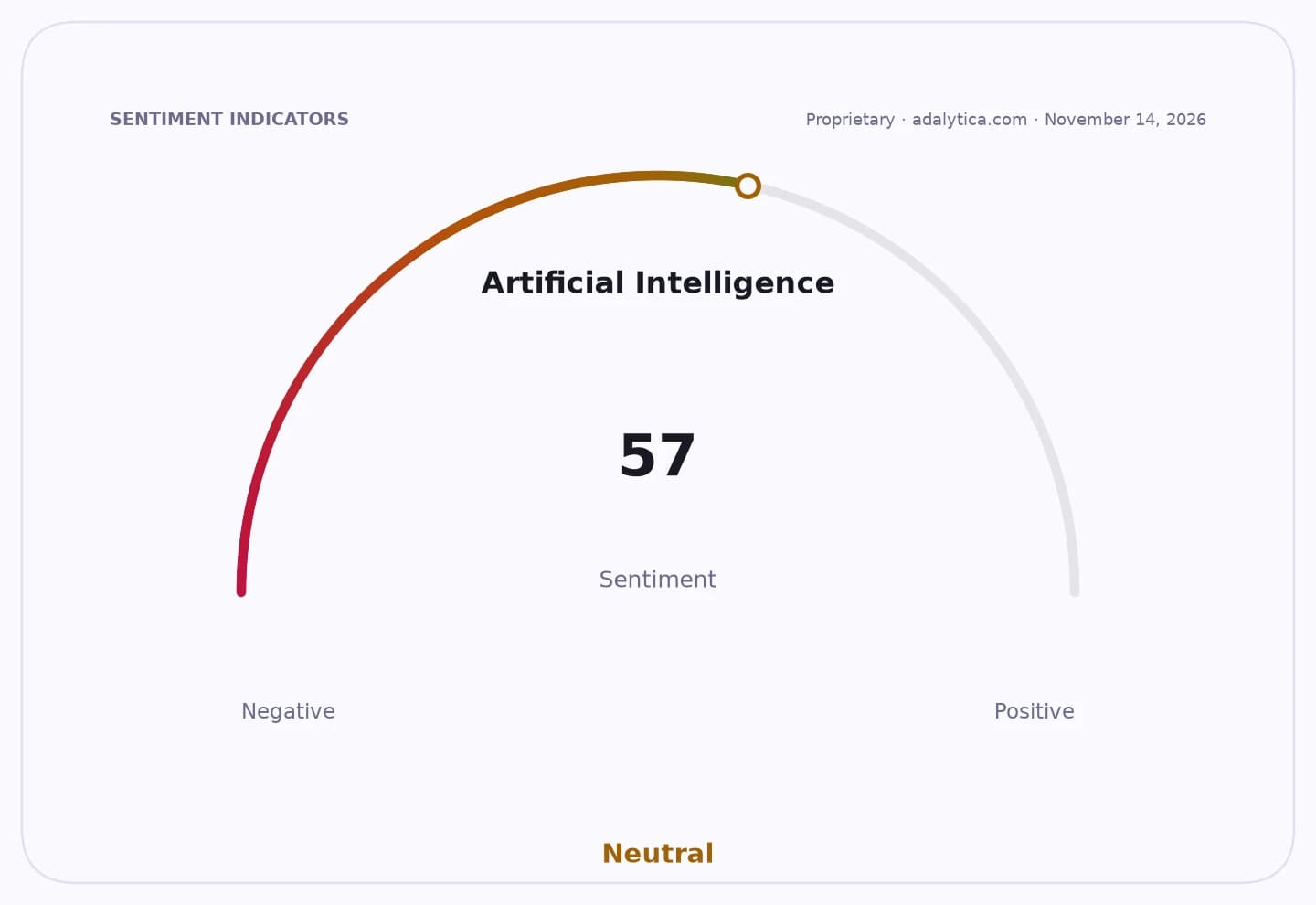
Sentiment Indicators
The controversy began after Washington Post reported that some Google DeepMind staff in London were alarmed by a clause barring criticism of the company forever, even after they leave. Employees said the wording could chill speech about AI risks, including military applications, and some described the clause as “1984”-like in internal discussions. Two researchers reportedly resigned in October over the company’s military work, adding urgency to the backlash.
Google has since said it would not enforce the clause against former employees and has updated contracts for recent hires to remove part of the post-employment criticism ban. But current staff want the company to go further and strike the language from existing agreements, arguing they need legal certainty rather than a verbal assurance.
The timing is sensitive for Alphabet. The stock has been under pressure lately, with Google parent shares closing at $295.77 on Nov. 13, far below their recent highs, while standard technical indicators including the 50-day moving average and the 200-day moving average remain above the current price. The broader AI trade is also showing strain: NVIDIA, the key chip supplier to the sector, has fallen sharply from its highs, with its recent share price around $162.85 and momentum readings deep in oversold territory. Microsoft, another major AI spender and partner, has also seen its own sentiment profile deteriorate.
For investors, the deeper issue is whether the AI boom can scale without a stronger governance framework. Alphabet, Microsoft and NVIDIA all benefit from continued AI adoption, but they also face rising scrutiny over labor practices, model safety, data handling and the militarization of AI. The UK’s whistleblower protections may limit legal exposure, yet the optics of a lifelong non-criticism clause can still fuel employee unrest, invite regulator attention and reinforce concerns that AI firms are prioritizing secrecy over safety.
The dispute also revives an old Google pattern. In 2018, employee pressure helped push the company to abandon a Pentagon drone-analysis project, showing that internal dissent can shape product strategy when the stakes are high. A similar dynamic now surrounds DeepMind, whose research leadership has long been central to Google’s AI credibility.
The likely outcome is not a clean victory for either side but a broader reckoning over how much transparency investors should expect from frontier AI labs. If Google yields on contract language, it may help preserve trust with researchers and regulators. If it does not, the company risks reinforcing a narrative that the race for AI dominance is outrunning the governance needed to support it.
| Entity | Gains | Losses |
|---|---|---|
| Google DeepMind researchers | ▲Speech protections | ▼Contractual restraint |
| Alphabet/Google | ▲Internal control | ▼Worker trust |
| AI investors | ▲Better governance | ▼Less secrecy-driven upside |
| OpenAI-style critics and whistleblowers | ▲Validation of transparency push | ▼Fewer leverage points |