Google’s AI push is colliding with employee resistance over military contracts, and that matters because the conflict is no longer just cultural — it is becoming a business, talent and governance issue for one of the world’s most valuable tech companies.
Alphabet faces employee pushback over military AI work
Several workers have resigned from Google DeepMind in protest against the company’s growing role in military artificial intelligence, according to reporting cited by the BBC. One London-based research engineer, Sofia Liguori, said she left this week because the company’s direction made her “ashamed to work at Google.” Her complaint goes to the heart of a broader problem facing Alphabet: AI may be the company’s biggest growth engine, but it is also pulling Google deeper into politically sensitive defense work at a time when public trust in artificial intelligence is still fragile.
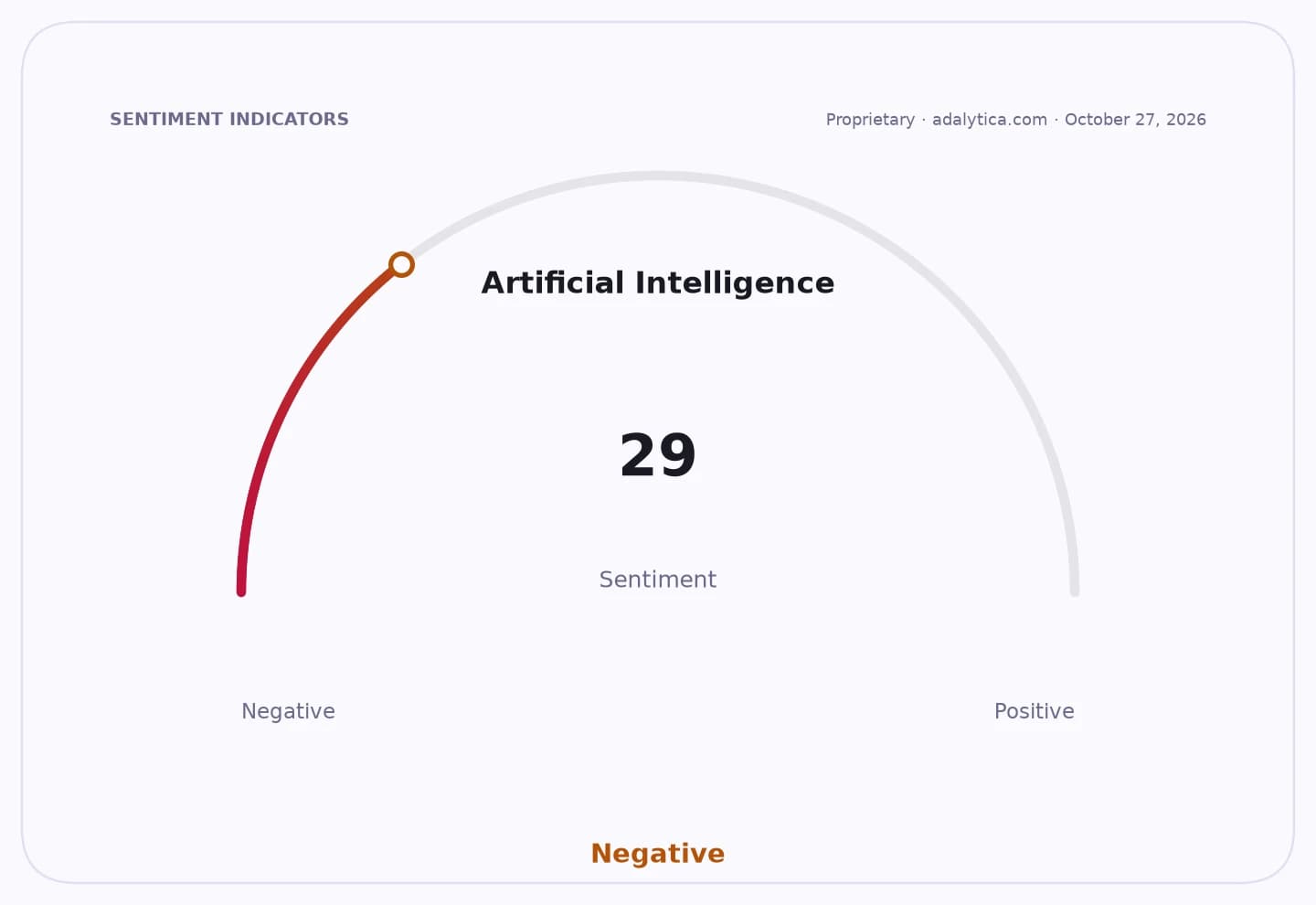
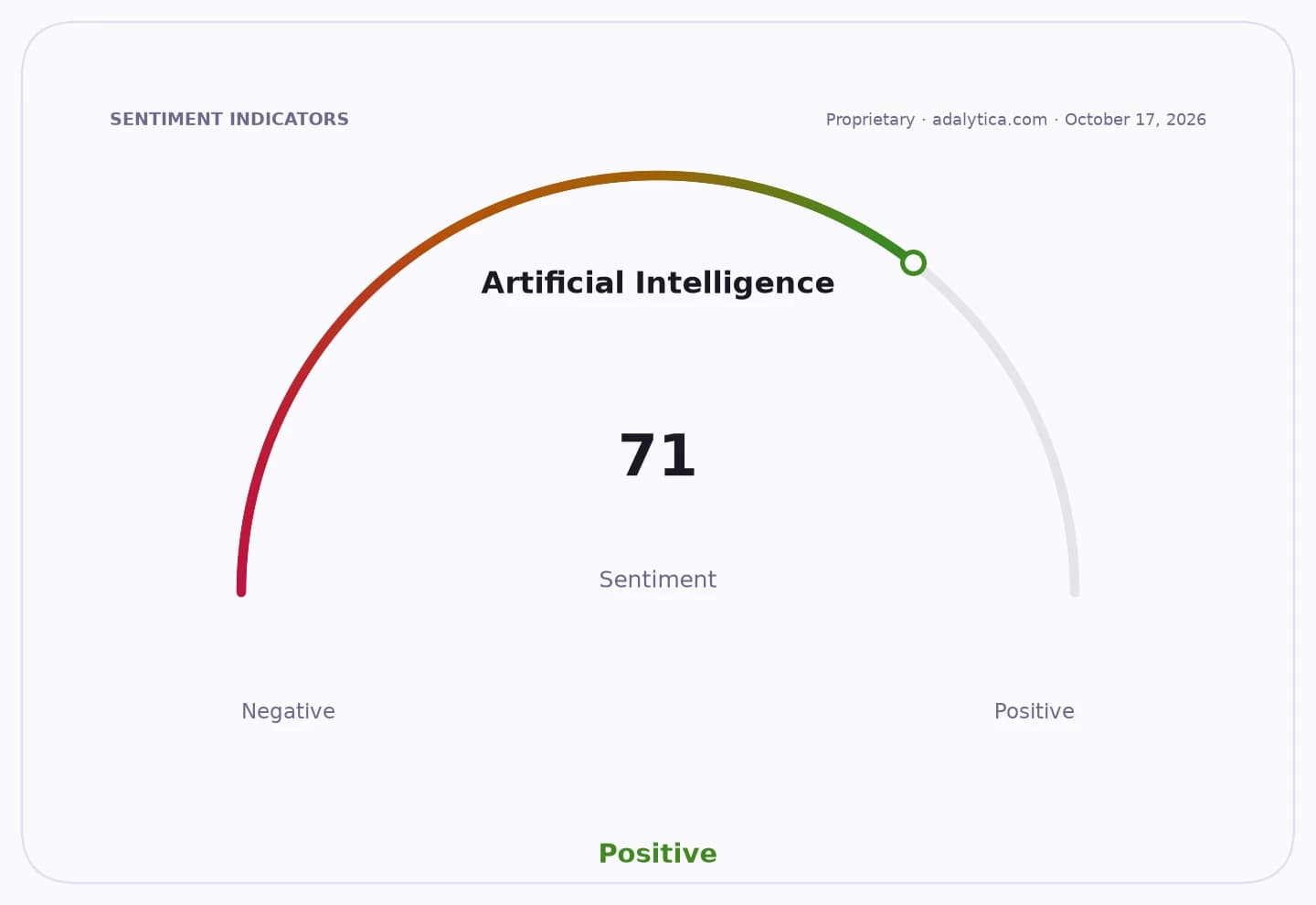
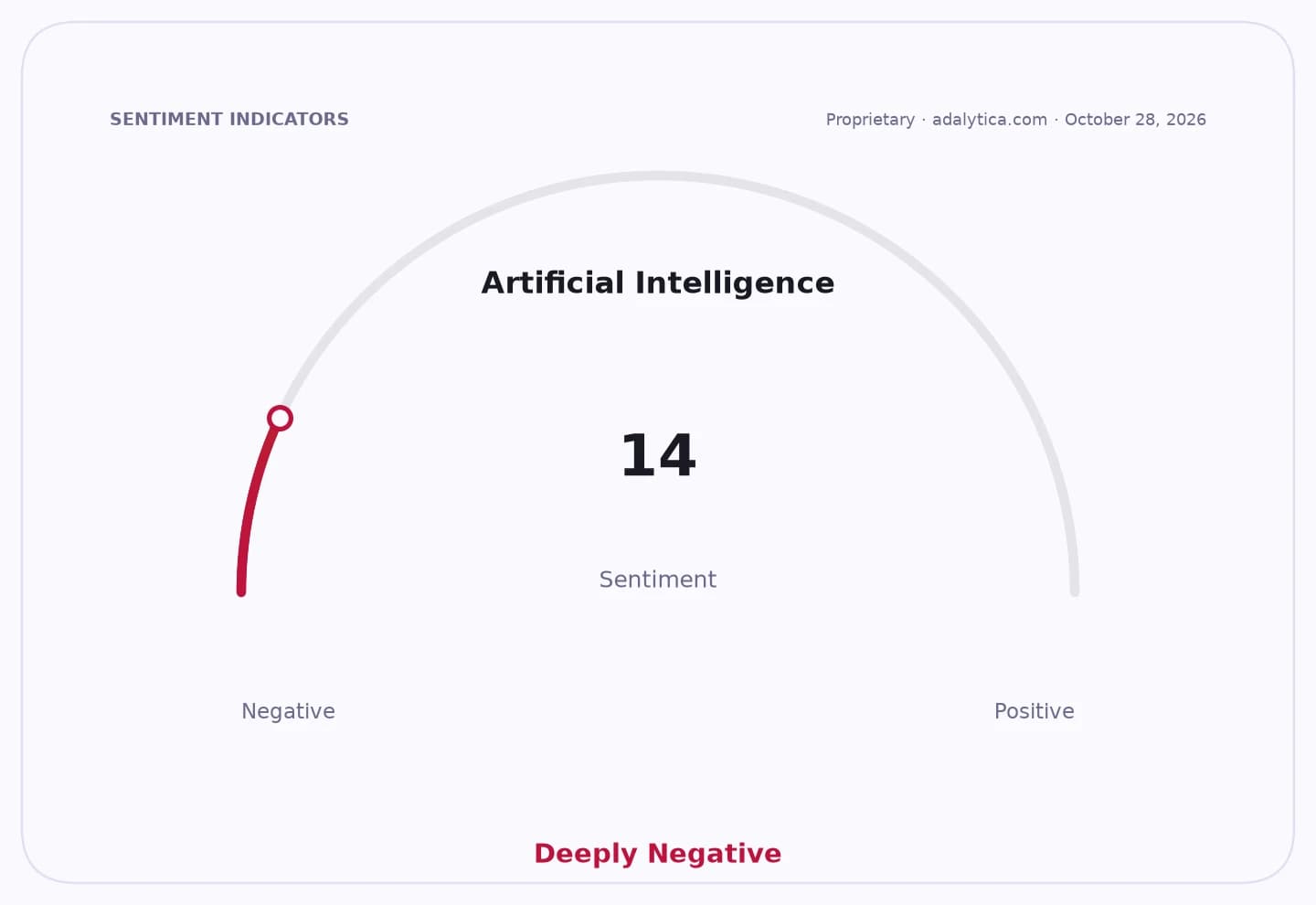
Sentiment IndicatorsⓘProprietary · adalytica.com · October 28, 2026
This is a snapshot — live sentiment, awareness and momentum for 130+ markets update continuously in the dashboard.Open AlphaPulse
For long-term investors, the question is not whether Google can win AI contracts — it already has. The issue is whether it can scale them without damaging the culture that made its research arm a magnet for top talent, or inviting more scrutiny from regulators and the public. Alphabet’s own AI principles call for human oversight and alignment with international law and human rights. Yet current and former employees told the BBC they worry that oversight may be too thin when systems are being considered for battlefield use.
That concern is not trivial. AI in defense is moving fast, and governments want speed. U.S. Defense Secretary Pete Hegseth has made AI adoption a priority, saying the Trump administration wants an army that puts AI first. Google is among several technology groups that have signed contracts with the Pentagon to apply AI in classified military settings, and the company is also expanding AI work with the U.S. and Israeli militaries, according to the reporting. That creates a powerful revenue and strategic opportunity, but it also raises the odds of reputational blowback, employee turnover and tighter oversight.
There is already evidence the market is paying close attention to the stakes around AI. Alphabet shares have recently been volatile, and on the latest readings the stock is trading below its 50-day moving average, with a weak relative strength index suggesting the market has been cautious. That does not mean the business thesis is broken. It does mean investors are increasingly weighing the social and regulatory costs of AI deployment alongside the enormous commercial upside.
The broader AI trade is still intact. Microsoft remains in a powerful position, and Nvidia continues to benefit from the infrastructure buildout behind machine learning, even though sentiment across AI names has cooled sharply in the near term. But Alphabet’s challenge is more specific: it must prove that its model can keep attracting world-class engineers while pursuing high-stakes defense applications that some of those same engineers find morally unacceptable.
That tension could shape Alphabet’s AI story for years. If Google can show that military AI is tightly governed, transparently supervised and materially accretive to earnings, the backlash may fade into background noise. If not, investors may face a slower, messier path in which talent retention, legal risk and brand damage eat into the returns from one of the company’s most important growth platforms. For now, Google’s military AI work looks less like a headline and more like a long-term test of whether the company can balance ambition with trust.
| Entity | Gains | Losses |
|---|---|---|
| Google/Alphabet | ▲Defense revenue potential | ▼Employee trust |
| Pentagon and military buyers | ▲Faster AI adoption | ▼Higher oversight burden |
| Shareholders with a long horizon | ▲AI monetization upside | ▼Reputational and regulatory risk |
| Departing employees | ▲Personal ethical alignment | ▼Stock-linked compensation |