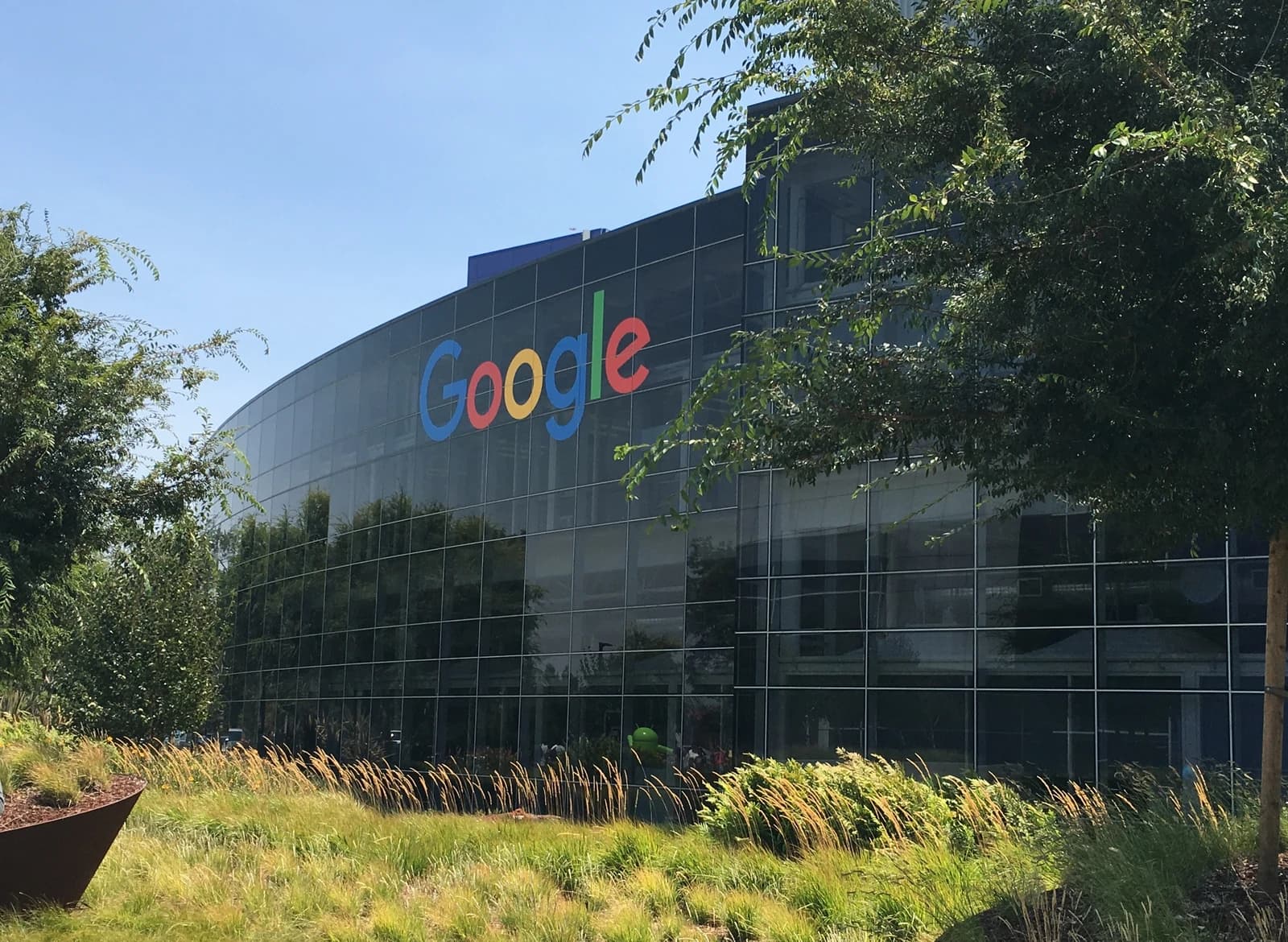
Google is making a rare concession to the web inside its AI search products, giving news links and website citations more prominent placement in AI Mode just as publishers warn that artificial intelligence is siphoning away readers and ad dollars.
Alphabet adds more links to Google AI Mode
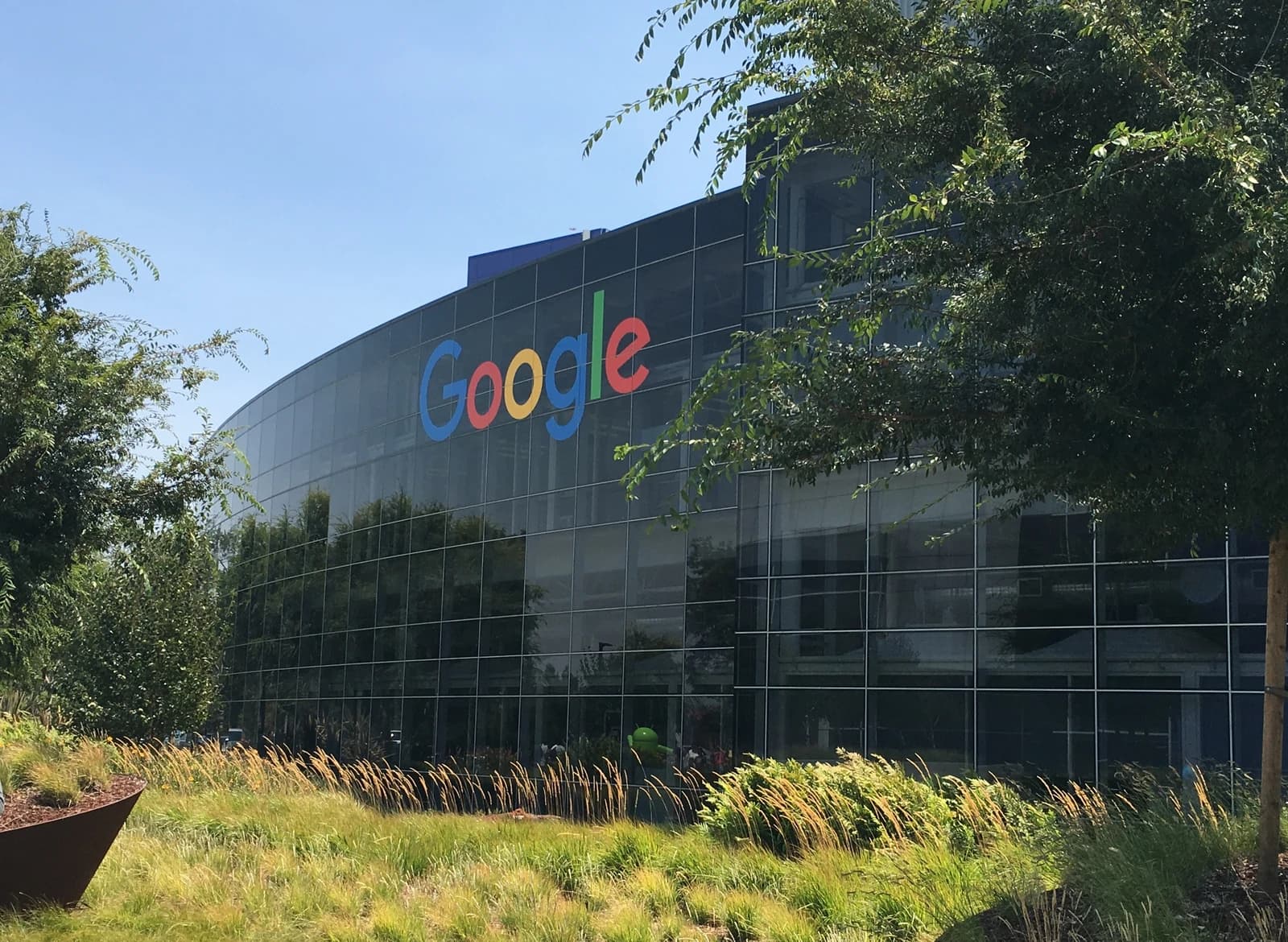
That matters because Google’s AI answers are no longer a side experiment; they are becoming the front door to search for millions of users. Alphabet said AI Overviews already reaches more than 2 billion monthly users in more than 200 countries, so even small changes in how often links appear can reshape who gets traffic, who gets paid and how much of the internet remains discoverable through Google.
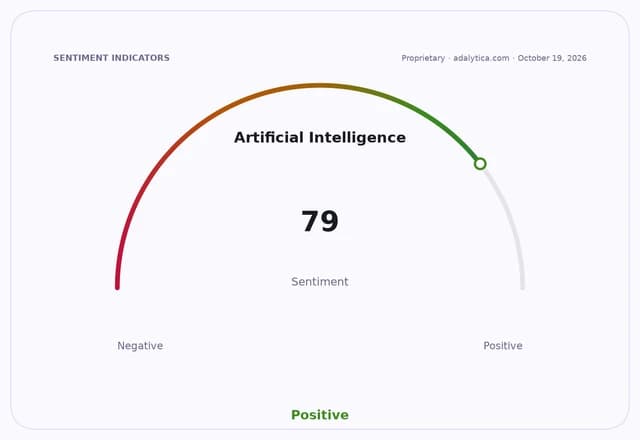
Sentiment IndicatorsⓘProprietary · adalytica.com · October 19, 2026
This is a snapshot — live sentiment, awareness and momentum for 130+ markets update continuously in the dashboard.Open AlphaPulse
The company said contextual links will show up more often and higher up in AI-generated results, while its link carousel will expand globally. Google is also giving added priority to content from a user’s preferred sources and can pull in posts from social media and forums, a sign it wants AI search to feel less closed and more connected to the broader web.
For publishers, the timing is uncomfortable. Chartbeat said news sites saw a 40% drop in traffic from Google between July 2025 and July 2026, underscoring the risk that AI summaries can answer a query without sending the user onward. That is a serious economic issue for the media industry, because search traffic still helps support advertising, subscriptions and reader discovery.
Investors should also care because this is about Alphabet’s core business model, not just product polish. Search advertising remains one of Google’s biggest profit engines, and any shift that changes how users click, browse and engage can affect monetization over time. Google’s own filings note that paid clicks and cost-per-click are key measures of how well search traffic is monetized, which means link placement inside AI Mode is not cosmetic — it is commercially important.
There is a second-order effect here, too. If Google keeps AI answers dominant but layers in more prominent links, it may be trying to preserve the utility of search without losing the economic ecosystem that made search so valuable in the first place. That is a delicate balance. Give users too little information and AI search loses appeal; hide too many links and Google risks damaging the publishers and websites that keep its index rich.
For long-term investors, the question is whether Alphabet can use AI to extend, rather than cannibalize, its search franchise. The stock has been volatile, but the strategic direction is clear: Google wants AI search to be more useful, more connected and less likely to alienate the web that feeds it. If the company can keep users inside AI Mode while still directing meaningful traffic outward, that could support both engagement and the broader digital advertising economy. Worth watching closely, and for patient investors, still one of the most important AI stories on the market.
| Entity | Gains | Losses |
|---|---|---|
| Alphabet / Google | ▲Better AI search utility | ▼More product complexity |
| News publishers | ▲More visible links | ▼Still face traffic pressure |
| Advertisers | ▲More discoverable content paths | ▼Less predictable search clicks |
| Users | ▲Easier access to sources | ▼More clutter in AI results |