Alphabet is turning its AI ambitions into one of the biggest private-sector infrastructure bets on record, committing about $920 million a month to SpaceX since October for additional computing capacity, even as analysts still see roughly 22% upside in the stock.
Alphabet Adds SpaceX Compute Capacity

That is the real story investors should focus on: Alphabet is not trying to win the AI race with software alone. It is buying scarce compute at scale, and that tells you both how serious the capex cycle has become and how much pricing power the best platform owners still have. At a roughly $4.2 trillion market value, the market is already paying up for Alphabet’s dominance in search, cloud and YouTube. But the willingness to absorb a contract that could reach $30 billion suggests management believes the upside from AI monetization and product acceleration outweighs the near-term margin drag.
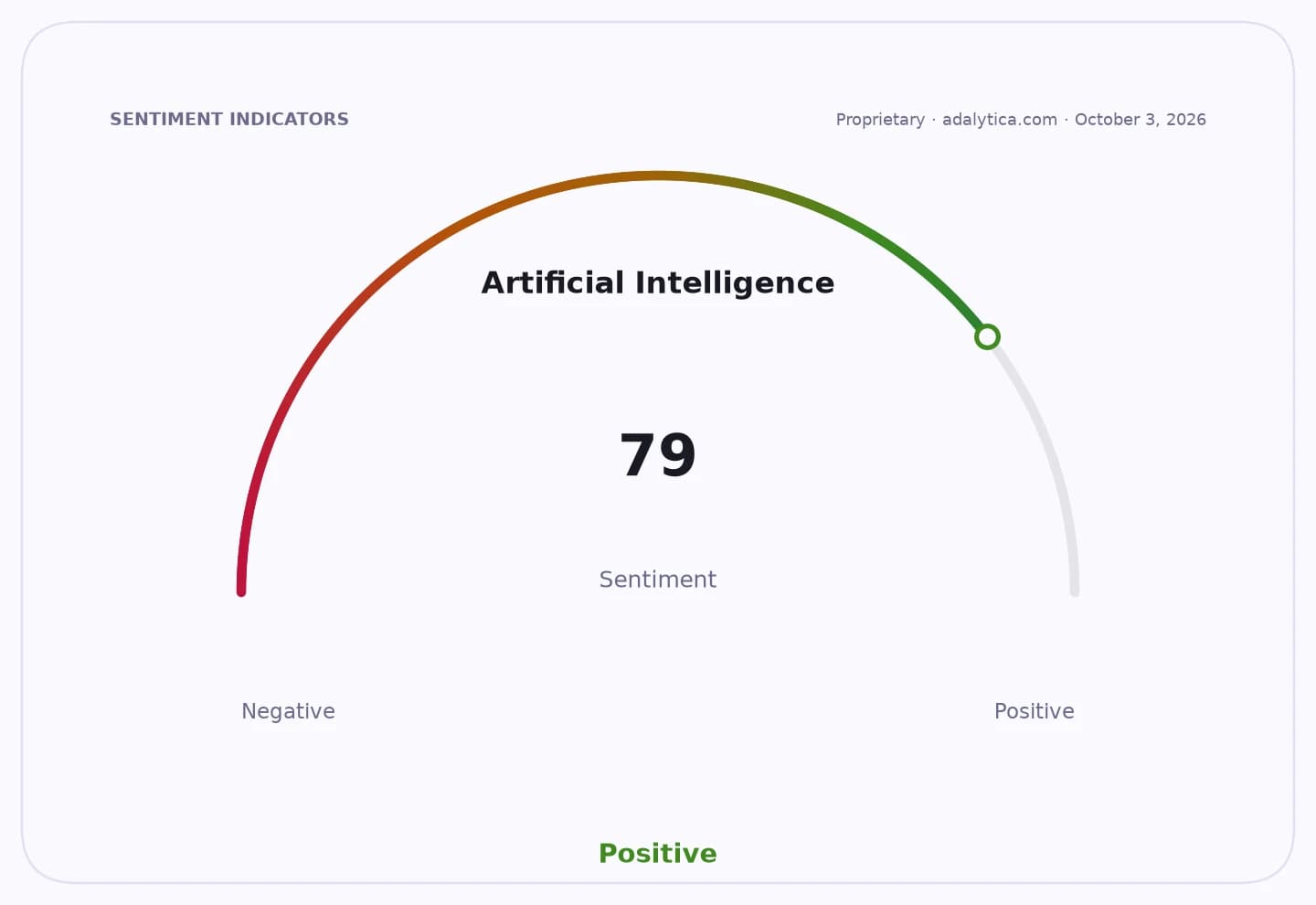
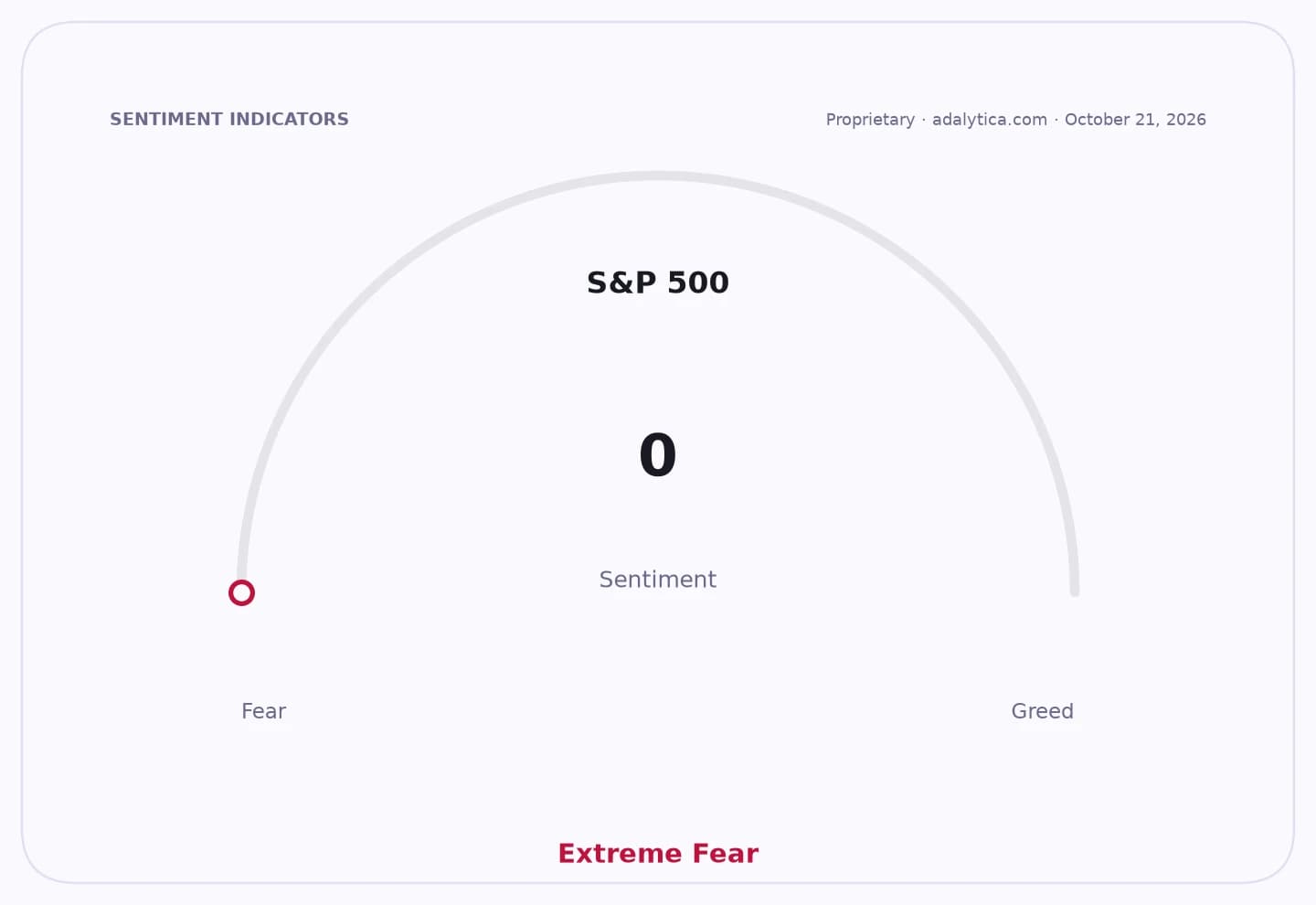
Sentiment IndicatorsⓘProprietary · adalytica.com · October 18, 2026
This is a snapshot — live sentiment, awareness and momentum for 130+ markets update continuously in the dashboard.Open AlphaPulse
For investors, the key question is not whether Alphabet can afford it. It clearly can. The question is whether Wall Street is underestimating how much the company can compound if it turns its balance sheet and cash flow into a durable AI distribution advantage. Alphabet shares recently traded around $349, with technicals still constructive: the stock sits above both its 50-day and 200-day moving averages, while momentum has improved after a volatile stretch. That supports the view that investors are looking through the spending surge and betting that compute access will translate into faster model iteration, better products and more advertising and cloud revenue over time.
The contract also reinforces a broader market truth: AI infrastructure remains the bottleneck, and bottlenecks create winners. SpaceX benefits from another high-margin customer tied to the buildout of next-generation networks and compute. Alphabet gets to secure capacity without having to wait for every internal infrastructure project to catch up. In a market still obsessed with front-end AI apps, the better trade may be the toll roads, power rails and connectivity layers that make the whole stack possible.
That is why the upside case remains compelling even after a huge run. Alphabet is no longer just a search and ads company with AI optionality; it is becoming a capital-intensive AI infrastructure owner with multiple ways to win. If management keeps converting free cash flow into scarce compute, the market may have to re-rate the stock again as the earnings contribution from AI products becomes clearer.
For now, the setup is straightforward: Alphabet is paying up for the next phase of growth, and long-term investors should treat that as a sign of strength, not strain. The best way to play the theme is to stay with the platform leaders that control demand, distribution and data — and Alphabet remains one of the cleanest ways to own that thesis.
| Entity | Gains | Losses |
|---|---|---|
| Alphabet | ▲faster AI capacity, product edge | ▼near-term margins |
| SpaceX | ▲$30B potential revenue | ▼less scarcity premium for capacity |
| AI chip/cloud ecosystem | ▲higher infrastructure spend | ▼firms without scale |
| Short-term margin traders | ▲volatility to trade | ▼valuation support if AI spend pays off |