Google is committing $15 billion to build out AI data-center capacity and the energy infrastructure to feed it in India, underscoring how the race to scale artificial intelligence is becoming as much a power-and-grid story as a software one.
Alphabet plans $15 billion India AI data center build
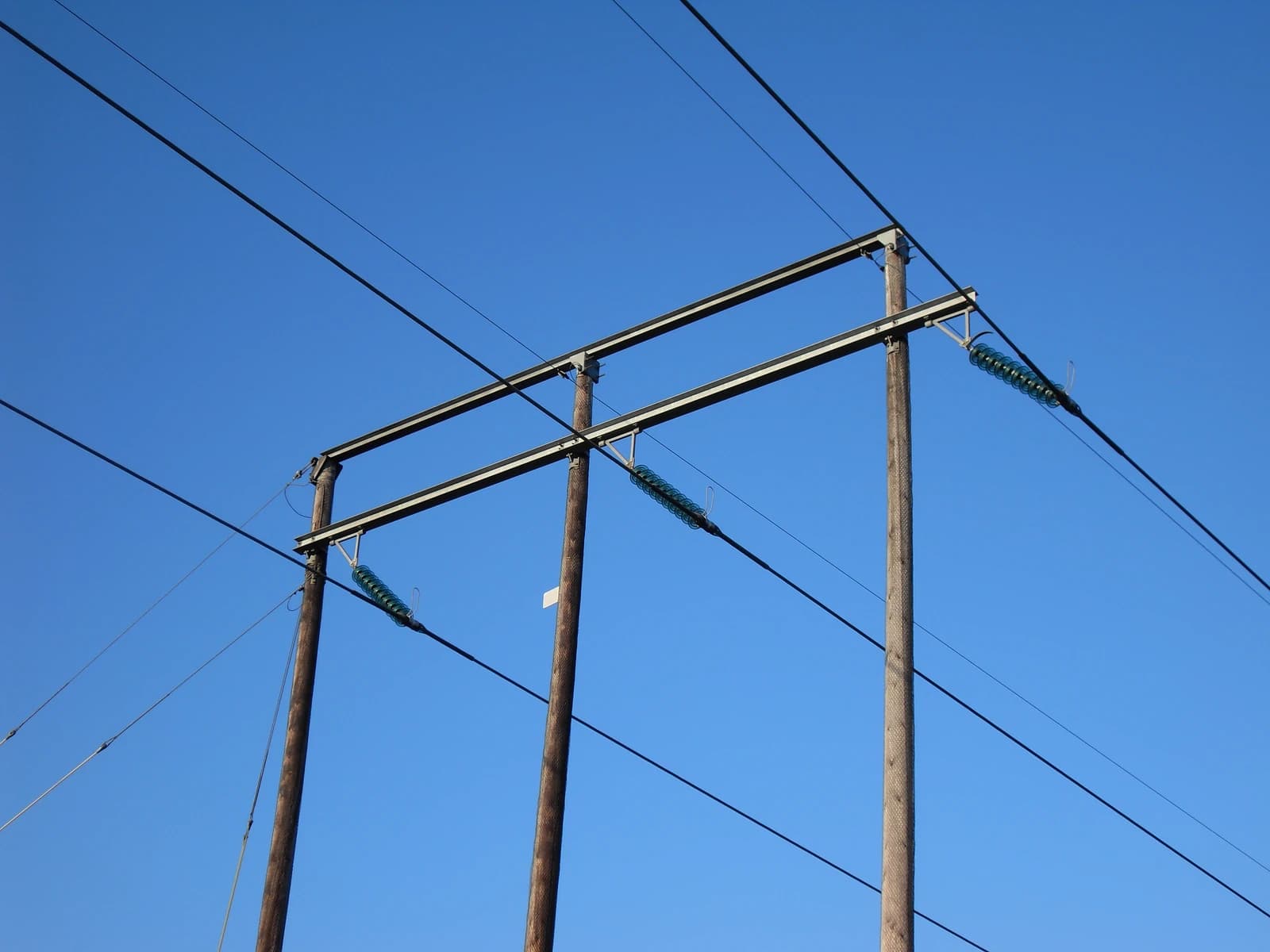
The investment matters because electricity, not algorithms, is increasingly the constraint on AI expansion. Hyperscale data centers need enormous, reliable and increasingly low-carbon power supplies, and the cost of securing that capacity is rising just as grid operators, utilities and regulators grapple with fast-growing load from AI, cloud and industrial electrification. For Alphabet, the spending is a bid to lock in a strategic foothold in one of the world’s largest digital markets while reducing the risk that power bottlenecks slow deployment of its AI stack.
Sentiment IndicatorsⓘProprietary · adalytica.com · September 10, 2026
This is a snapshot — live sentiment, awareness and momentum for 130+ markets update continuously in the dashboard.Open AlphaPulse
The broader market implication is that AI capex is spilling into the real economy. Rather than flowing only to chips and software vendors, the buildout is creating demand for utilities, transmission, generation developers and grid equipment suppliers. That makes the AI trade more capital intensive and more cyclical than many investors initially expected. It also helps explain why utility earnings calls and filings are increasingly referencing data-center demand as a major load driver, and why independent power producers have been positioning themselves to sell long-term capacity to large electricity users.
Recent market action reflects that shift. Google’s stock has been under pressure in the near term, while utilities such as NextEra Energy and Vistra have held up better on the prospect of structurally higher power demand from data centers. Vistra has said it is pursuing long-term power sales to large-scale electricity consumers, and Duke Energy has flagged data-center development as a significant contributor to projected load growth. That is the economic logic behind the new capex cycle: AI demand is no longer just a semiconductor theme, but a utility planning problem.
The macro backdrop reinforces the point. U.S. 10-year Treasury yields are near 4.8%, oil is again trading close to $92 a barrel, and industrial production is still grinding higher. Higher rates raise the hurdle rate for long-duration infrastructure spending, while elevated fuel prices keep the cost of backstopping power-hungry computing heavy. For investors, that combination makes financing and execution risks more important, especially for developers promising rapid buildouts in markets where grid connections, permitting and water access can slow projects.
For Alphabet, the upside case is clear: securing power and land early could create a durable competitive advantage in a capacity-constrained AI economy. The bear case is that the bill keeps rising before revenue does, pressuring margins and stretching payback periods if AI monetization lags the spending. For utilities and power developers, the opportunity is equally obvious, but so are the risks of overbuilding or misjudging how much load actually materializes.
The key question now is not whether AI will need more electricity, but who captures the returns from supplying it. That will shape everything from utility valuations to grid investment, and it is likely to keep drawing capital toward the companies that can deliver power at scale, reliably and on schedule.
| Entity | Gains | Losses |
|---|---|---|
| Alphabet | ▲Power security for AI growth | ▼Near-term capital intensity |
| Utilities | ▲Higher data-center demand | ▼Grid strain and execution risk |
| Independent power producers | ▲Long-term supply contracts | ▼Overbuild risk |
| Investors in AI software | ▲Better infrastructure backdrop | ▼Lower margin visibility |