Alphabet’s shares have fallen into a correction, and the move is changing how investors weigh the stock’s still-rich valuation against slowing momentum in a market that has turned risk-averse. The pullback has pushed both GOOG and GOOGL back toward their 200-day moving averages, erasing a big chunk of the advance that took the stock to record territory earlier this year.
Alphabet Pullback Tests Key Support
The decline matters because Alphabet is no longer trading like a one-way AI winner. GOOG closed at $320.01 on July 24, down from a recent high of $370.21 on July 15, while GOOGL ended at $320.30 after peaking at $370.92 two days earlier. That is a drop of roughly 13% in less than two weeks, enough to shift the conversation from upside momentum to whether the stock can hold key support levels.
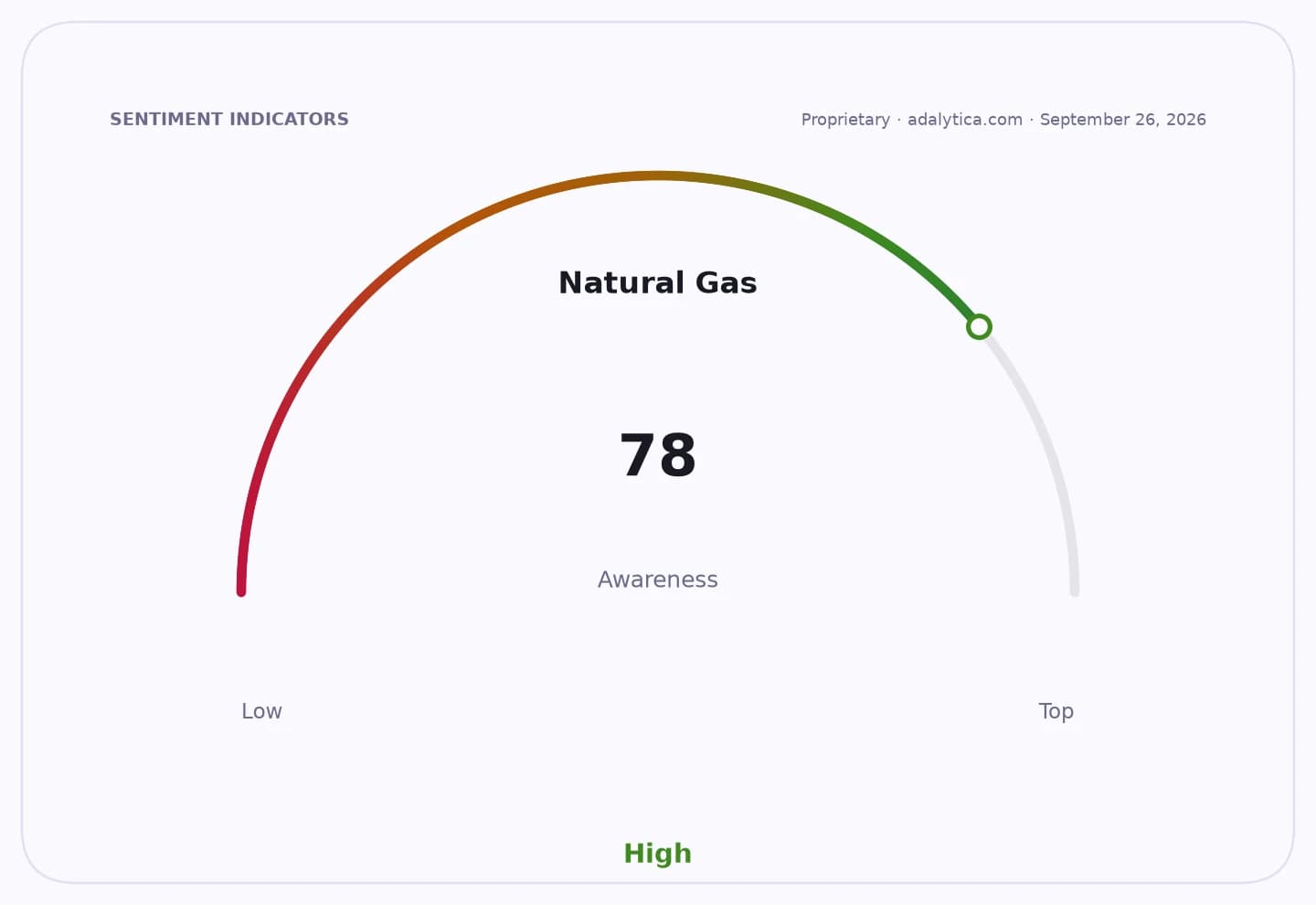
Sentiment IndicatorsⓘProprietary · adalytica.com · July 24, 2026
This is a snapshot — live sentiment, awareness and momentum for 130+ markets update continuously in the dashboard.Open AlphaPulse

The technical picture has deteriorated quickly. GOOG’s relative strength index has slid to 27.1, a reading that typically signals an oversold market, while its MACD has moved deeper below the signal line, underscoring weakening trend strength. GOOGL shows a similar setup, with RSI at 26.9 and MACD also firmly negative. Both classes are now hovering just below their 200-day moving averages, a level that often becomes a battleground for institutional money.
That is why the correction “changes the picture” for analysts and investors. A stock that had been trading well above its 50-day moving average now sits below both short-term and long-term trend markers, raising the bar for any fresh buy-the-dip case. The selloff also comes alongside heavy volume earlier in the week, suggesting the move is not just a quiet pause but a meaningful de-risking by investors after an extended run.
For Alphabet, the stakes are economic as much as technical. The company remains tied to advertising trends, and its latest 10-Q warned that fluctuations in ad revenue, paid clicks, cost-per-click and impressions can continue to affect results. That makes the stock vulnerable when the market rotates away from growth and into caution, because investors are effectively asking whether ad demand and AI spending can keep justifying a premium multiple.
Broader market conditions are adding pressure. Adalytica’s S&P 500 trade signals show fear across both sentiment and awareness, a backdrop that tends to punish extended large-cap winners once momentum breaks. At the same time, Alphabet is still in the center of the AI trade, and that keeps the stock on active watch for dip buyers looking for a lower entry point rather than chasing it near the highs.
The next test is whether Alphabet can stabilize above the mid-$310s and recover its 50-day moving average, or whether further selling forces a deeper reset toward the low-$300s. Investors will be watching for any shift in ad trends, AI monetization updates, or broader market risk appetite to determine whether this is a healthy correction or the start of a longer valuation unwind.
| Entity | Gains | Losses |
|---|---|---|
| Dip buyers | ▲Lower entry price | ▼Near-term price volatility |
| Momentum traders | ▲Potential oversold bounce | ▼Trend breakdown risk |
| Alphabet bulls | ▲Chance to reset valuation | ▼Loss of breakout momentum |
| Short sellers | ▲Bearish setup confirmation | ▼Sharp rebound if support holds |