Amazon is leaning harder on discounts to keep price-conscious shoppers engaged, underscoring how retail competition is intensifying just as consumer spending shows signs of caution. The latest promotion on an upright vacuum with multiple attachments — described in the seed headline as being sold at nearly half the original price — fits a broader pattern of aggressive markdowns across consumer goods, where online platforms are using visible deals to defend traffic and conversion.
Amazon discounting keeps price-sensitive shoppers engaged

For Amazon, the significance is less about a single vacuum cleaner than about the economics of marketplace retail. Heavy discounting helps move inventory, lift basket sizes and preserve customer loyalty in a period when households are more selective about discretionary purchases. That matters because e-commerce growth increasingly depends on winning the lowest-friction sale, not just offering the widest assortment. Promotions can be a rational way to protect share, but they also compress margins if the company is effectively subsidizing demand to sustain volume.
Sentiment IndicatorsⓘProprietary · adalytica.com · September 26, 2026
This is a snapshot — live sentiment, awareness and momentum for 130+ markets update continuously in the dashboard.Open AlphaPulse
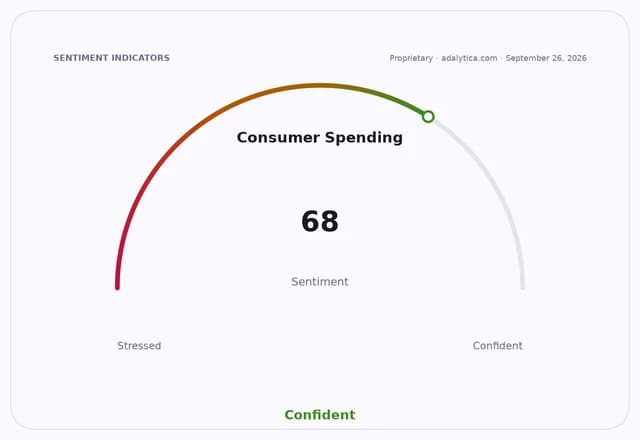
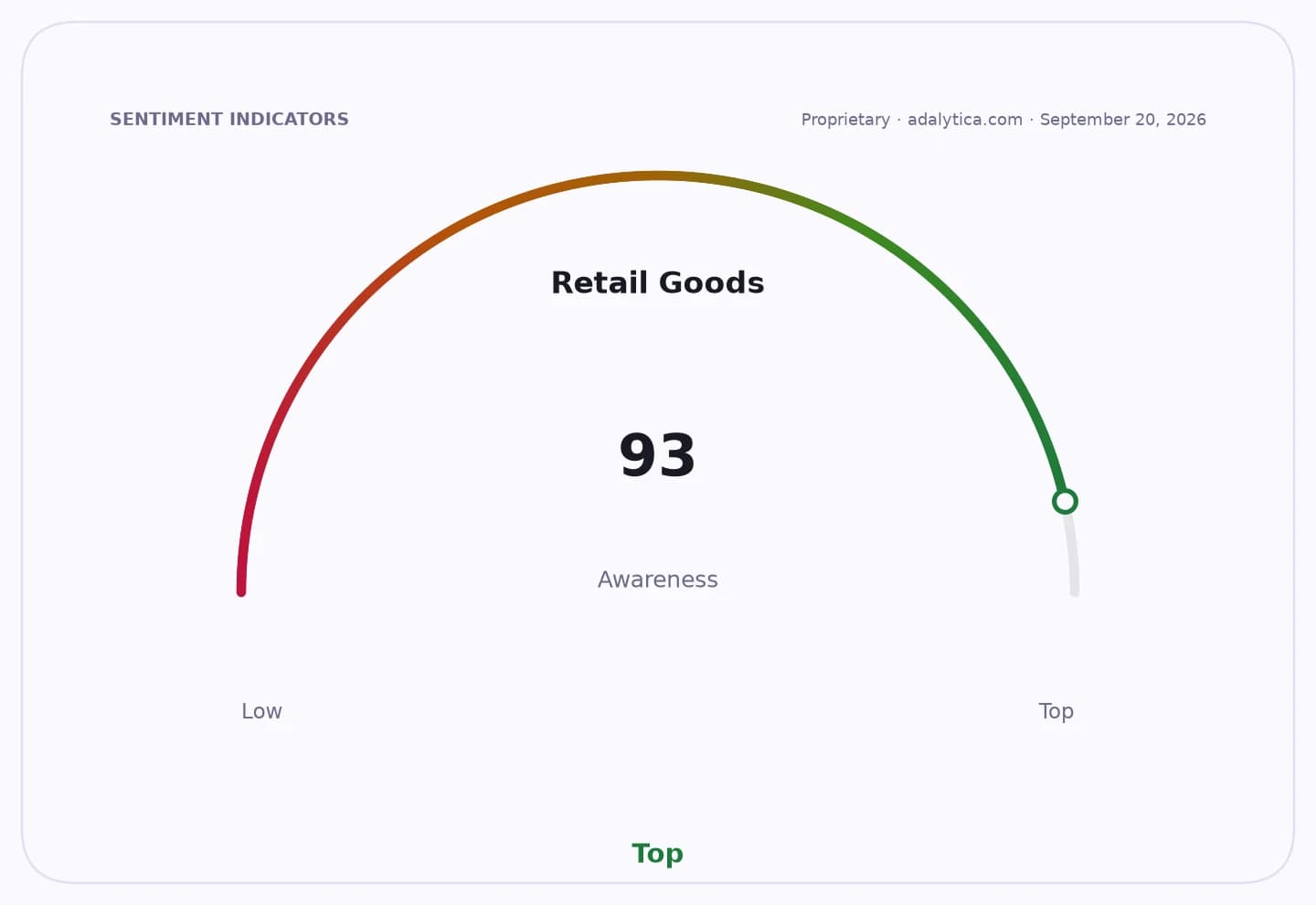
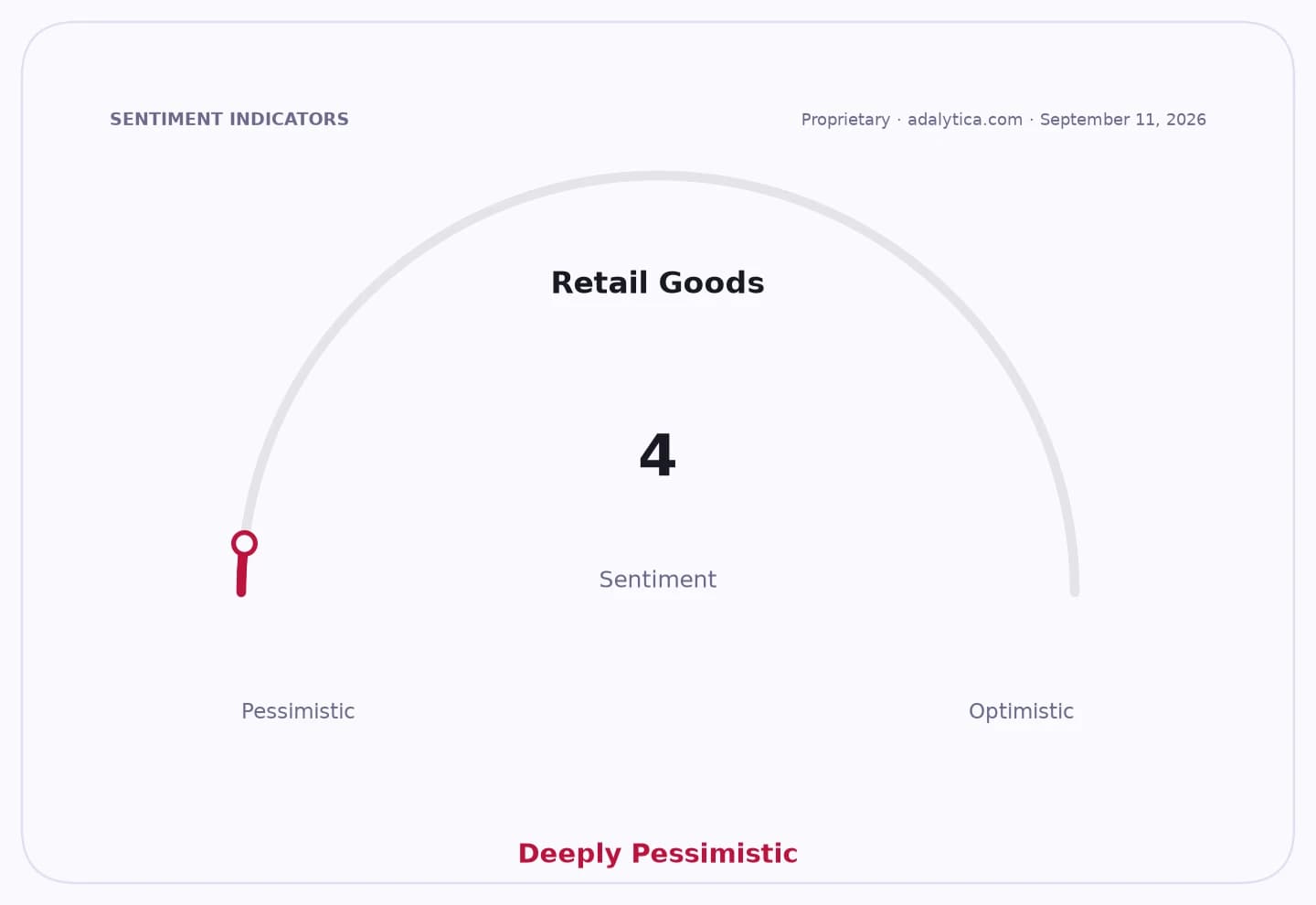
The move comes against a backdrop of mixed signals in the broader spending environment. Adalytica’s Consumer Spending Sentiment gauge is neutral at 68, but awareness sits in “extreme fear,” suggesting shoppers remain alert to budget pressures even if sentiment has stabilized. Retail Goods Spending Sentiment is also neutral at 61, though its recent jump points to active deal-hunting rather than a confident return to full-price buying. In that setting, Amazon’s discounting strategy looks designed to capture demand from consumers comparing prices more aggressively across platforms.
Amazon’s shares, meanwhile, have been volatile. The stock closed at $249.67 on Sept. 25, below its 50-day moving average of $256.18 but still above its 200-day moving average of $240.85, a setup that suggests the market has not fully abandoned the name but is still weighing near-term momentum. RSI readings around 40 indicate neither a deeply oversold condition nor a strong technical rebound, while the broader price action has been choppy after a sharp run earlier in the year. In other words, investors remain sensitive to any signal that retail demand is holding up without forcing the company into a margin-eroding price war.
The competitive backdrop also matters. Retailers are increasingly relying on promotions to win shoppers who have become more deliberate about spending, and that can be seen across categories from household appliances to food and utilities. For Amazon, which sits at the intersection of retail, logistics and advertising, the upside of aggressive discounting is clearer market share and more engagement on the platform. The downside is that if discounting broadens beyond isolated items into a sustained strategy, it could pressure gross margins and reinforce the view that e-commerce remains a volume game in a cautious consumer market.
For investors, the key question is whether this is tactical merchandising or the start of a deeper pricing reset. If Amazon is simply using seasonal promotions to clear stock and drive traffic, the impact on earnings should be limited. If the company has to keep leaning on markdowns to sustain demand, the trade-off between growth and profitability becomes more important, especially with the stock already reflecting uneven momentum. The vacuum discount is small in isolation; as a market signal, it says Amazon is still fighting hard for the price-sensitive consumer.
| Entity | Gains | Losses |
|---|---|---|
| Amazon shoppers | ▲Lower prices | ▼Full-price purchases |
| Amazon | ▲Higher traffic, faster inventory turnover | ▼Gross margin |
| Competitors | ▲Pressure to match deals | ▼Pricing power |
| Discount-focused consumers | ▲More bargains | ▼Risk of overspending on promotions |