AI is moving from promise to profit on factory floors, and Siemens and Procter & Gamble are showing investors what that looks like in practice: less waste, faster setup and better output from high-speed production lines.
Siemens and P&G use AI to cut factory scrap
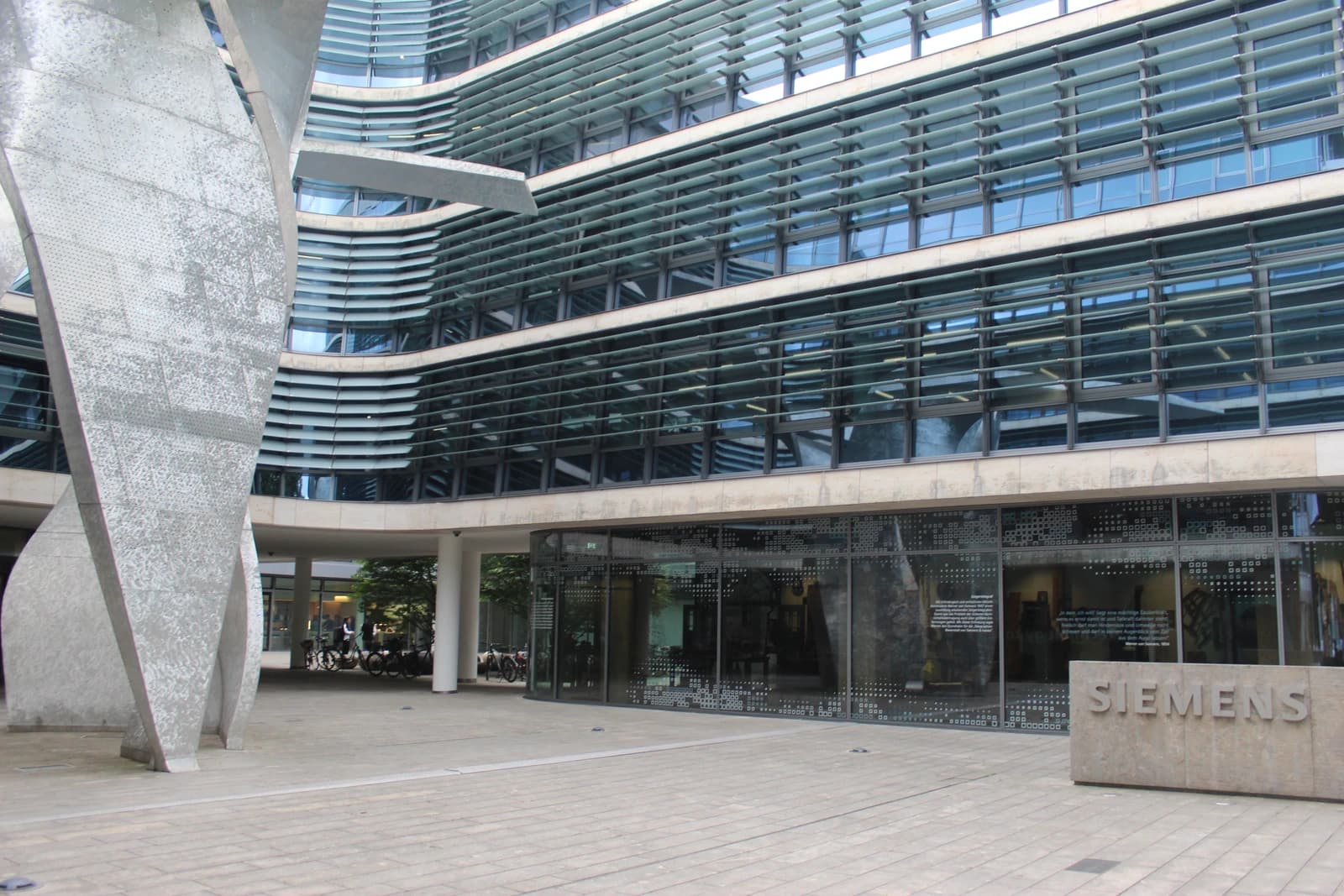
Their Visual Inspection Cockpit, or VIC, uses P&G’s deep-learning models, Siemens’ Industrial Edge platform and Nvidia GPUs to spot packaging defects in real time without human intervention. In pilot runs, the system cut scrap by 10% to 20%, a meaningful gain for consumer-goods plants where even small improvements can translate into large savings in raw materials, energy and labor.
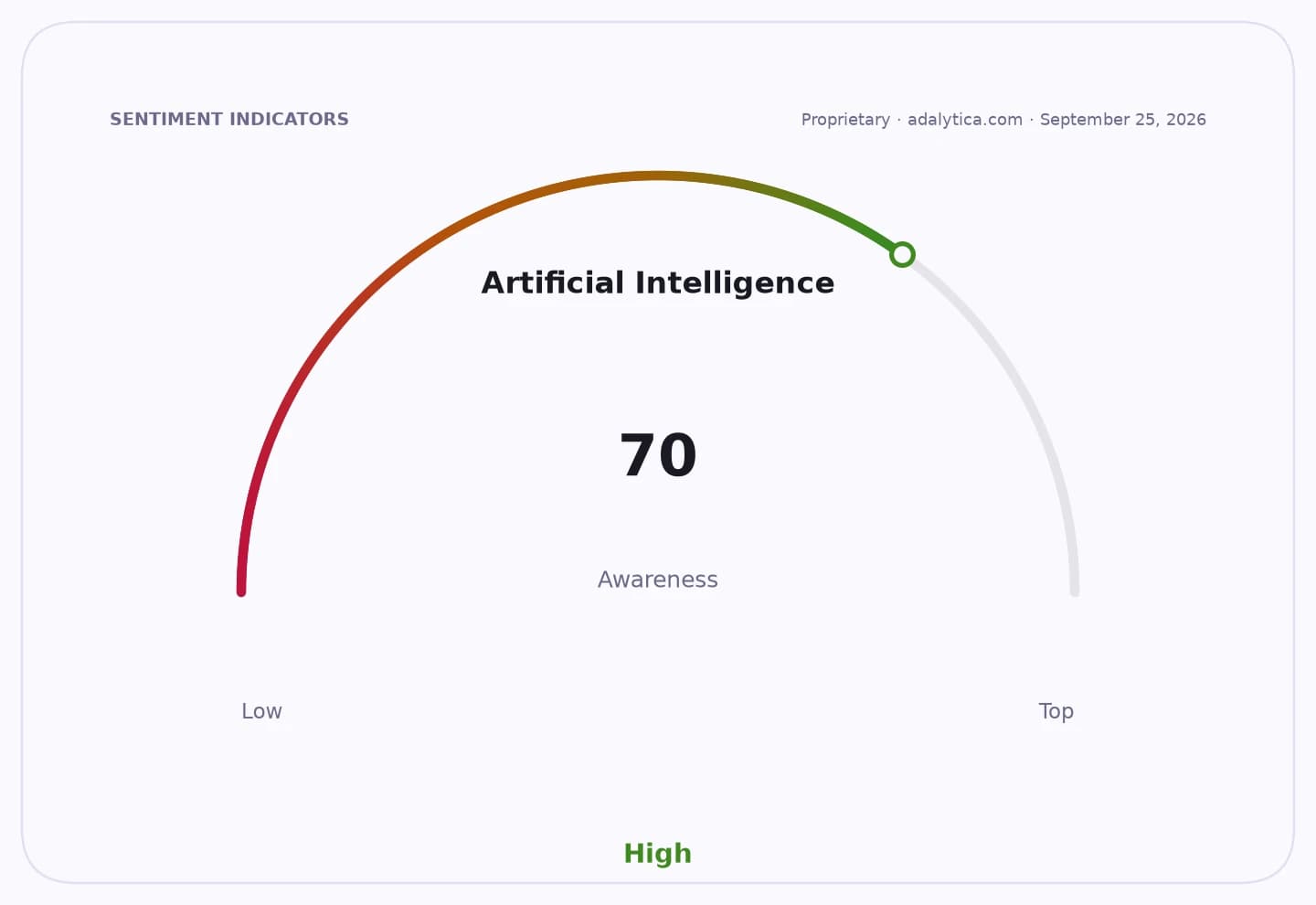
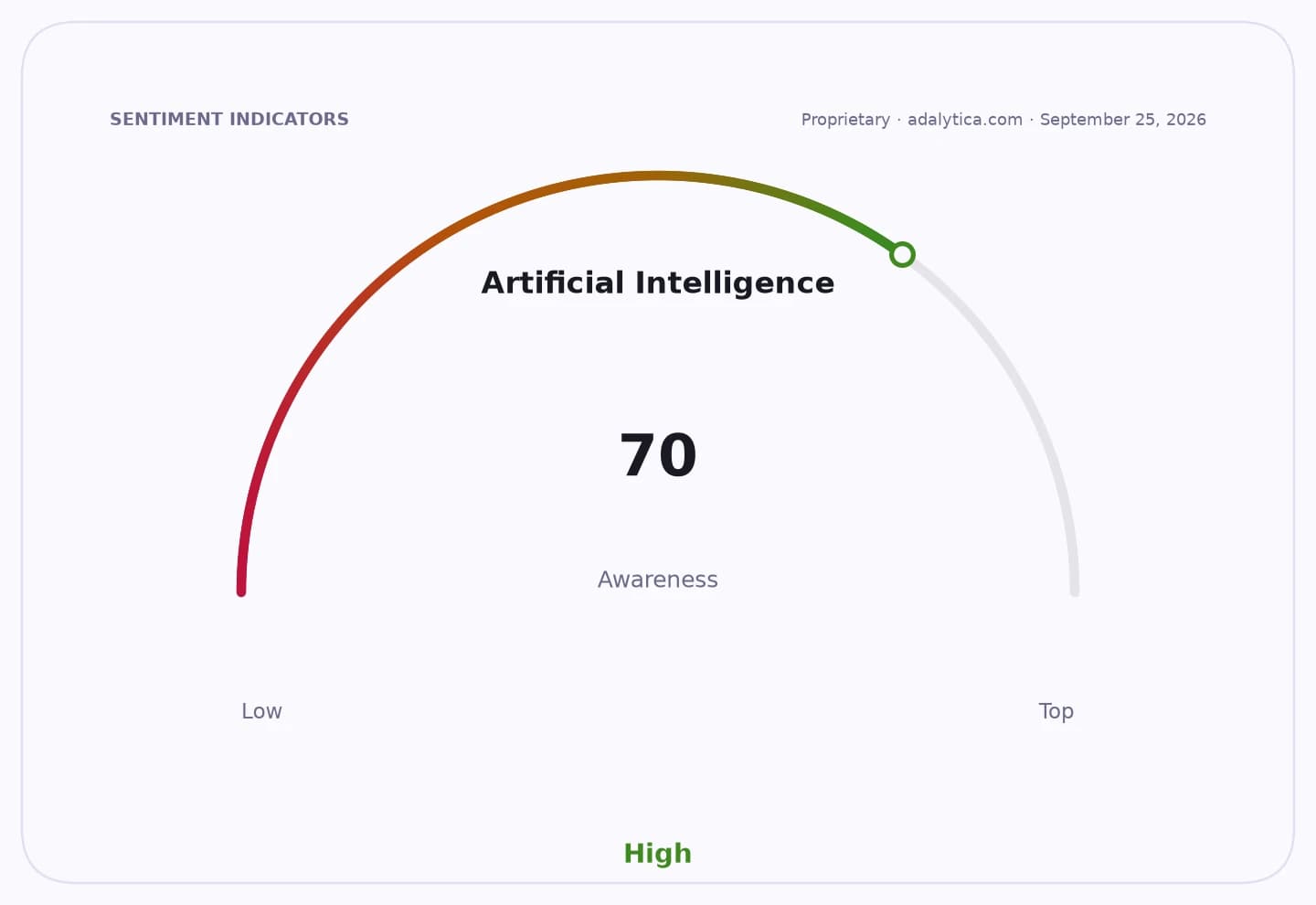
Sentiment IndicatorsⓘProprietary · adalytica.com · September 26, 2026
This is a snapshot — live sentiment, awareness and momentum for 130+ markets update continuously in the dashboard.Open AlphaPulse
That matters because manufacturing margins are often won or lost in the details. P&G has long told investors that productivity gains help fund brand building, packaging innovation and supply-chain improvements. A system that reduces defects and can be deployed five to 10 times faster than conventional inspection tools gives the company another way to defend margins while keeping output moving on fast lines that handle flexible and patterned materials.
For Siemens, the project is more than a case study. It is a proof point for its industrial AI strategy and for the broader market around factory automation, edge computing and machine vision. The fact that engineers can configure the system on site without outside specialists lowers implementation friction, which is often the real barrier to scaling factory AI beyond pilot projects.
The investor angle is straightforward. P&G benefits from lower scrap, more efficient plants and better visibility into hidden production problems. Siemens benefits if VIC helps it sell more software, industrial PCs and edge systems into other factories. Nvidia also stands to gain indirectly as industrial customers keep adding GPUs to factory computing stacks, even if the immediate revenue impact is much smaller than in data centers.
The bigger narrative is that AI is starting to earn its keep in the physical economy, not just in chatbots or office software. In a world of volatile commodity costs and persistent pressure to do more with less, manufacturers that can reduce waste and speed deployment will have an edge. For long-term investors, that makes industrial AI one of the more durable themes to watch over the next several years, especially across diversified names like Siemens, Honeywell and other automation leaders.
The main risk is execution. Factory systems must work reliably across different lines, products and geographies, and not every AI project will scale as smoothly as a pilot. But if Siemens and P&G can keep proving that AI lifts efficiency in real production environments, the opportunity is bigger than one scrap reduction number. It is a sign that industrial companies are finally turning AI into a repeatable operating advantage, and that is worth watching closely.
| Entity | Gains | Losses |
|---|---|---|
| P&G | ▲Lower scrap, tighter margins | ▼Higher waste costs |
| Siemens | ▲Industrial AI sales, platform credibility | ▼Legacy inspection vendors |
| Nvidia | ▲More industrial GPU demand | ▼Slow adopters of edge AI |
| Factory operators | ▲Faster deployment, better efficiency | ▼Manual inspection workflows |