Amazon is dangling sign-on bonuses of as much as $1,000 to fill 11,000 jobs in Dallas-Fort Worth, underscoring how fast the e-commerce giant is still expanding its fulfillment footprint even as consumer spending turns shaky and labor markets cool. The hiring push matters because warehouse staffing remains a direct driver of delivery speed, shipping costs and local wages — and Amazon has repeatedly told investors that shortages in fulfillment labor can strain operations and raise expenses.
Amazon offers up to $1,000 bonuses for Dallas jobs
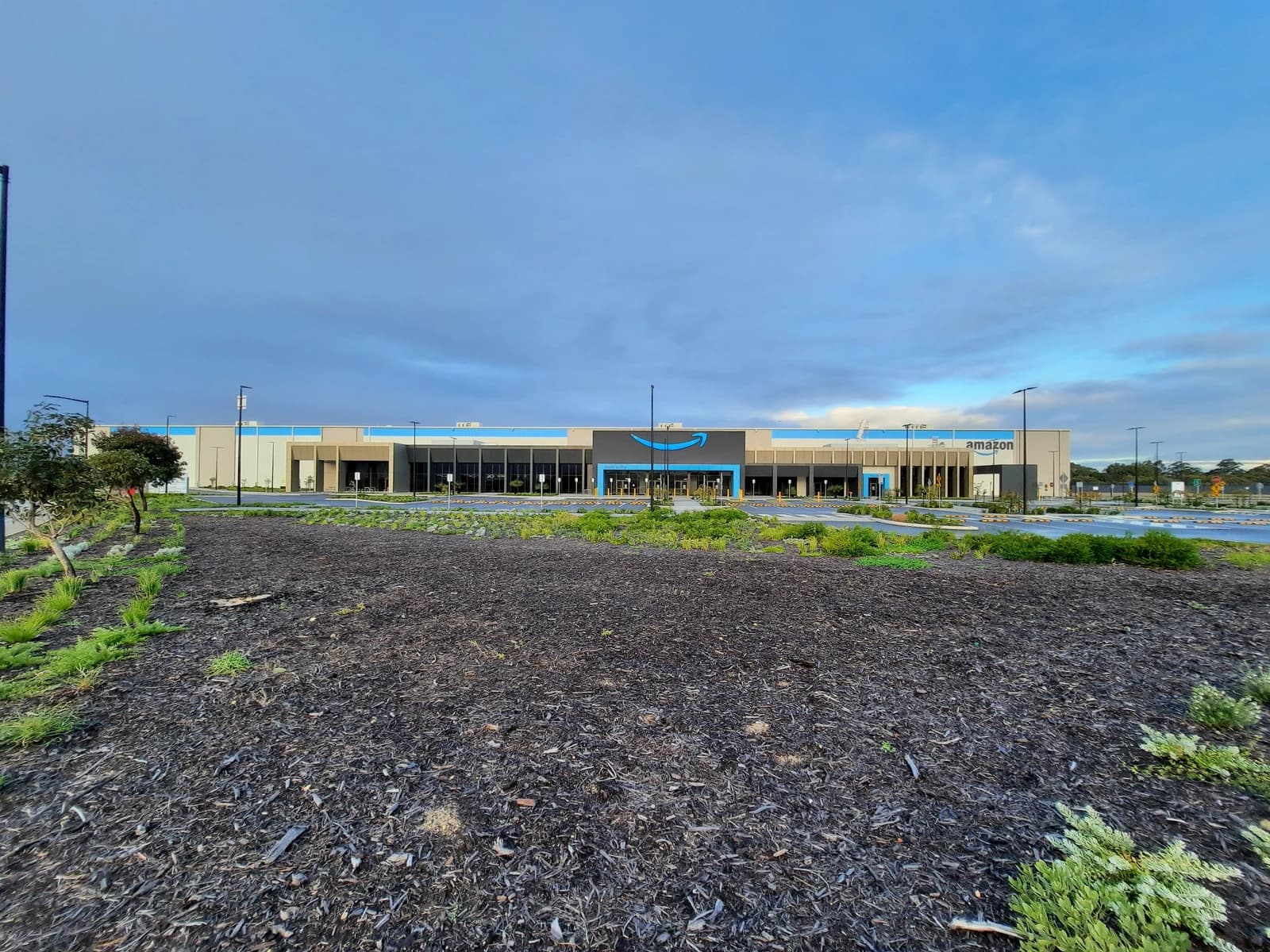
The company’s need for thousands of additional workers in North Texas also highlights the regional competition for labor across retail, logistics and industrial users. Dallas-Fort Worth remains one of the country’s busiest warehouse and distribution hubs, and Amazon’s latest recruitment effort suggests the company is still betting on high parcel volumes and fast delivery demand to justify aggressive staffing.
Sentiment Indicators
For investors, the move cuts both ways. More workers can help Amazon protect service levels and support growth in Prime and same-day delivery, but the incentives add to labor costs at a time when the company is already under pressure to keep fulfillment expenses in check. In its latest quarterly filing, Amazon warned that failing to hire, train and retain enough personnel can strain operations, increase payroll costs and hurt its business and reputation.
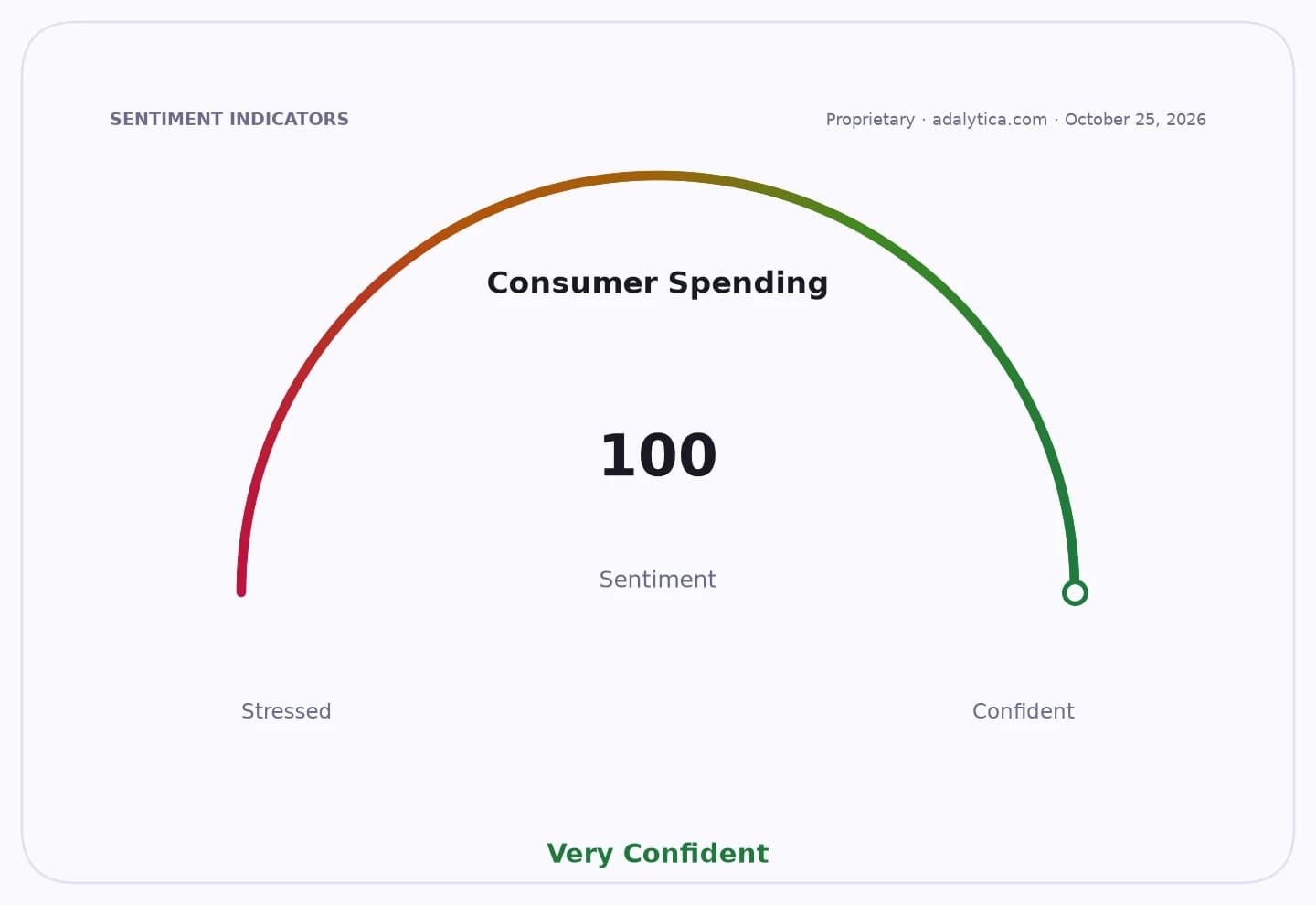
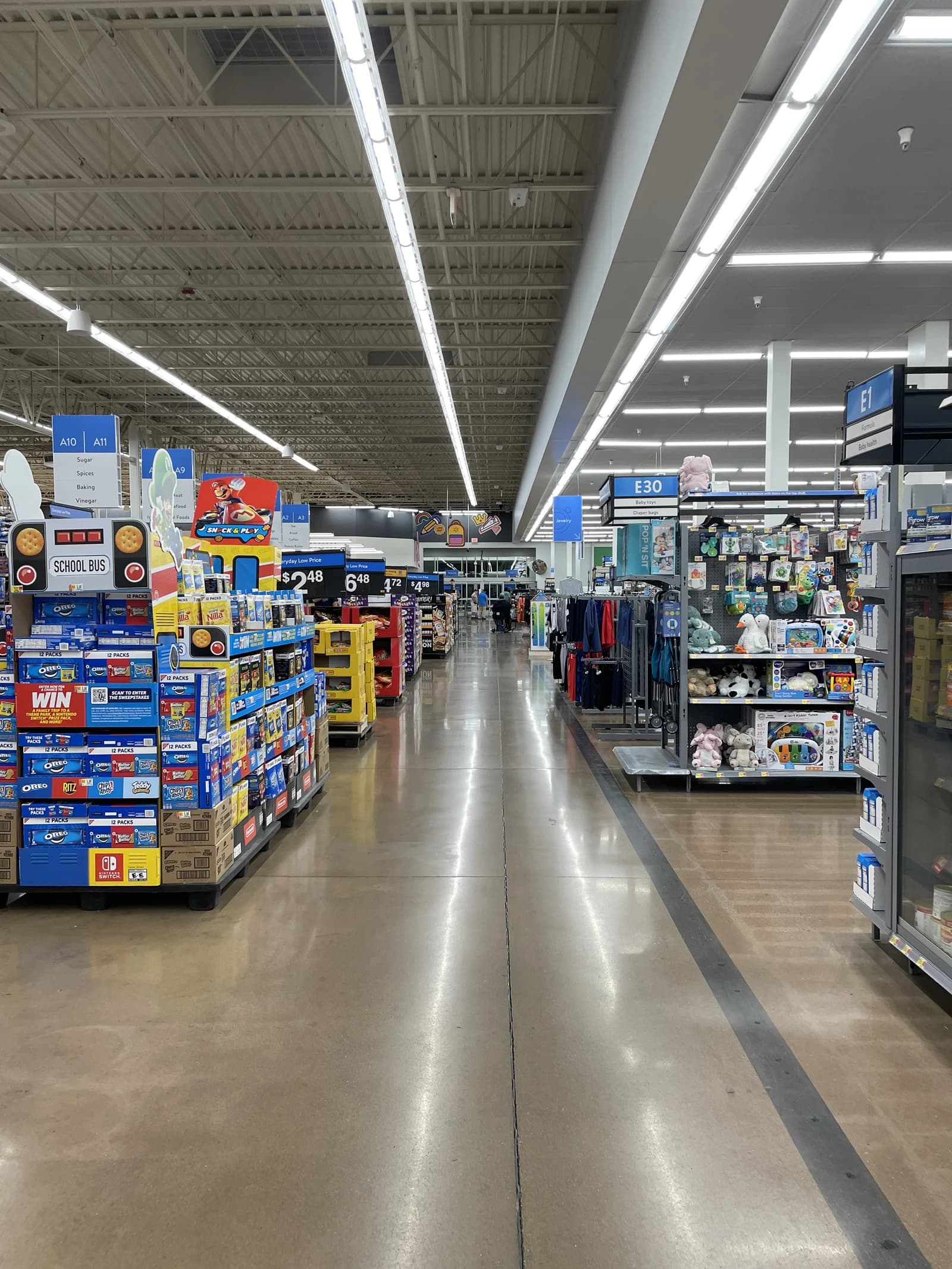
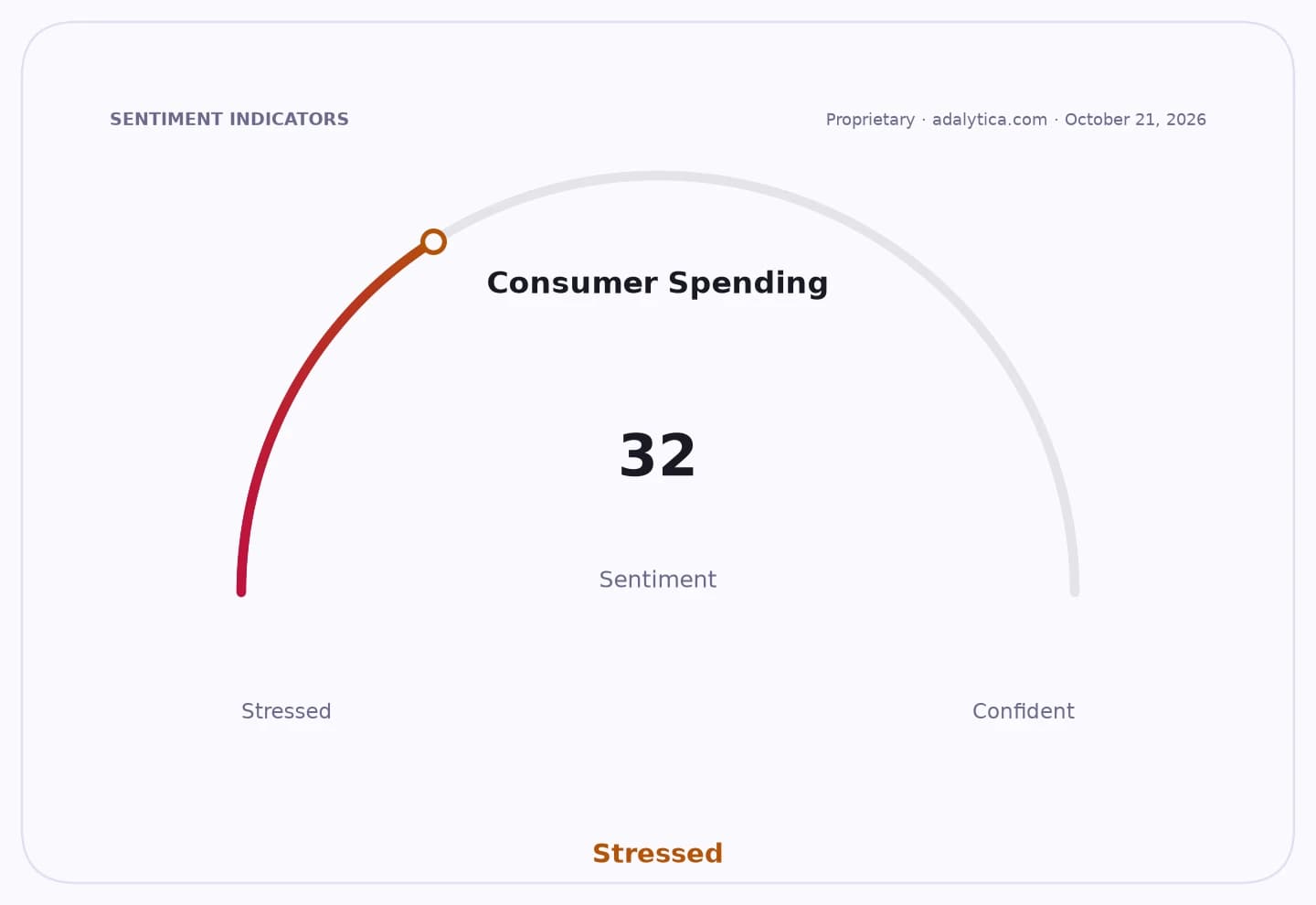
The hiring campaign also lands against a mixed backdrop for retail demand. Consumer spending sentiment tracked by Adalytica.com has dropped to “Extreme Fear,” while retail-goods spending sentiment remains elevated, suggesting shoppers are still active but increasingly cautious. That tension matters for Amazon, Walmart and Target alike, since the sector’s next leg will depend on whether demand holds up enough to justify inventory, staffing and logistics spending.
Amazon shares were recently trading near $263, above both their 50-day and 200-day moving averages, with momentum improving after a volatile summer. The stock’s technical backdrop points to stabilizing sentiment, but investors will still be watching whether labor costs, shipping efficiency and holiday demand justify the added hiring.
The next catalyst is Amazon’s holiday operating commentary and any sign that the new workers are translating into faster fulfillment and better unit economics rather than just higher payroll.
| Entity | Gains | Losses |
|---|---|---|
| Amazon | ▲Faster fulfillment capacity | ▼Higher payroll costs |
| Job seekers in D-FW | ▲More openings and bonuses | ▼Less bargaining power later |
| Consumers | ▲Better delivery speed | ▼Higher shipping cost risk |
| Competing retailers | ▲Potentially less labor pressure if hiring slows | ▼Tougher competition for warehouse workers |