Amazon has cut the Kindle Paperwhite Signature Edition to $169.99, putting its premium e-reader below the listed $199.99 starting price of the standard Paperwhite and sharpening its effort to lock in book buyers ahead of the holiday season.
Amazon Kindle Paperwhite Signature Edition drops to $169.99
The price move matters because it goes beyond a routine promotion: Amazon is using the Signature model to widen the gap between its retail ecosystem and general-purpose tablets and phones, while also making the higher-end Kindle the more compelling entry point. For consumers, the deal lowers the cost of an always-on reading device with a larger screen, auto-adjusting front light, wireless charging and 32GB of storage. For Amazon, it strengthens a category that supports digital content sales and keeps readers inside the Kindle Store, which the company says offers more than 15 million titles.
Sentiment IndicatorsⓘProprietary · adalytica.com · October 6, 2026
This is a snapshot — live sentiment, awareness and momentum for 130+ markets update continuously in the dashboard.Open AlphaPulse
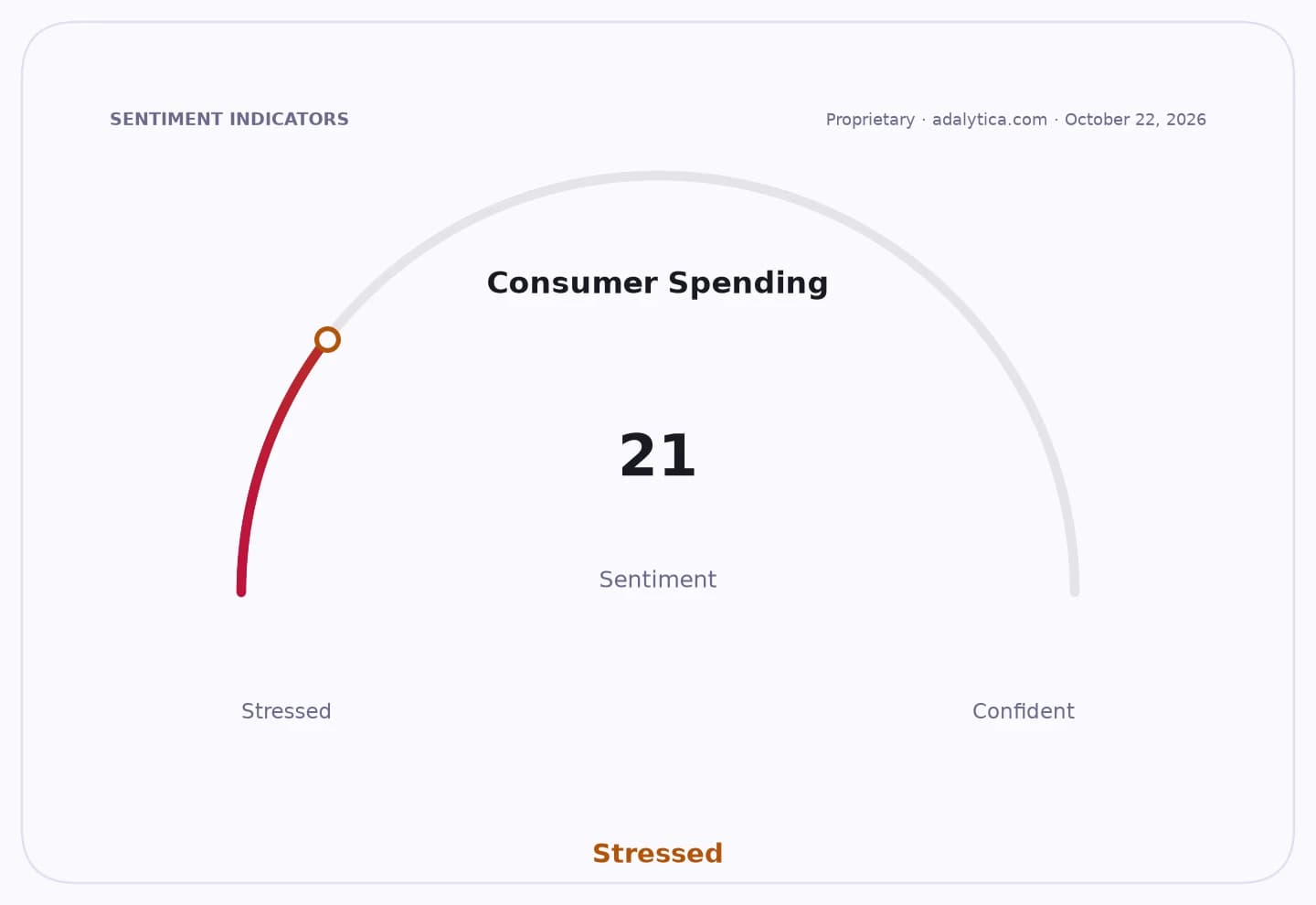
The Kindle’s economics are straightforward. Unlike phones or tablets, an e-reader is built around a single use case, which can make it a durable purchase for heavy readers and a relatively low-friction gift item for others. Amazon is leaning on that simplicity at a time when households remain selective about discretionary spending, even as consumer sentiment indicators are mixed. The company is effectively trading some hardware margin for ecosystem retention, a familiar playbook in devices where the long-term value comes from content and services rather than the initial sale.
The Signature Edition’s feature set helps explain the pricing strategy. Its self-adjusting light reduces the small but repetitive frictions of reading, wireless charging adds convenience, and 32GB of storage is more than enough for a large personal library. Amazon also highlights a glare-free 7-inch display, faster page turns and battery life of up to 12 weeks. Those are incremental upgrades rather than transformational ones, which suggests Amazon is using price as the real differentiator to push buyers toward the better-equipped version.
For investors, the promotion underscores a broader point about Amazon’s hardware business: devices remain a strategic gateway rather than a standalone profit engine. A more aggressively priced Kindle can support engagement, but it also puts pressure on device gross margins at a time when Amazon is still balancing heavy spending across logistics, cloud infrastructure and retail fulfillment. The question is whether the company can convert more low-cost hardware sales into recurring digital revenue from books, subscriptions and related services.
Best case, the discount drives a strong holiday response, improves Kindle attachment and boosts content consumption without materially diluting the hardware franchise. Bear case, it signals a more competitive or slower consumer backdrop that forces deeper discounting to move devices, particularly if shoppers remain price-sensitive into year-end. Either way, the move shows Amazon is willing to sacrifice upfront hardware pricing to protect one of its stickiest ecosystems.
| Entity | Gains | Losses |
|---|---|---|
| Amazon | ▲Higher Kindle adoption | ▼Hardware margin |
| Readers | ▲Lower-priced premium e-reader | ▼Phone/tablet use |
| Kindle ecosystem | ▲More locked-in users | ▼Rival reading apps |
| Best Buy and other retailers | ▲Less direct exposure | ▼Fewer device sales |