Amazon is trying to turn everyday memory lapses into a new consumer AI business, unveiling two Bee-branded devices that record conversations, summarize them and feed the results into Alexa+, shopping and productivity apps.
Amazon Bee devices add AI subscription layer
That matters because the company is not just selling hardware here; it is trying to create another high-frequency interface between users and Amazon’s ecosystem. If the devices catch on, Amazon can pull more voice traffic, more shopping intent and more recurring subscription revenue into a part of the business that could be sticky if it becomes embedded in daily routines. In a market still obsessed with large language models and cloud spend, this is the kind of edge distribution play investors should watch closely: small hardware, recurring software, and a direct line to commerce.
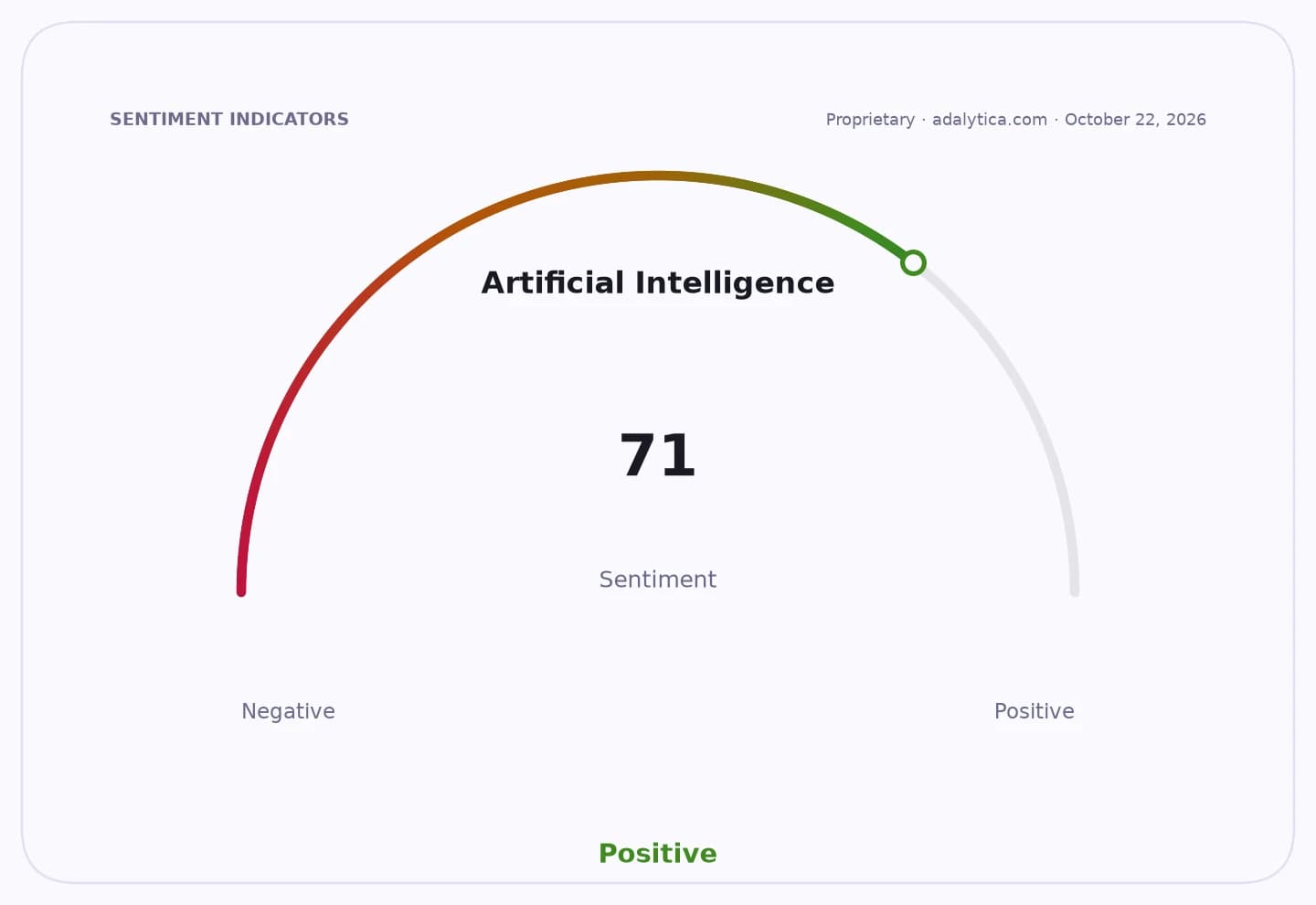
Sentiment IndicatorsⓘProprietary · adalytica.com · October 22, 2026
This is a snapshot — live sentiment, awareness and momentum for 130+ markets update continuously in the dashboard.Open AlphaPulse
The Bee Frontier, a clip-on or wearable AI device, costs $74.99 in the US and lasts up to seven days on a charge. The Bee Eclipse, which attaches magnetically to the back of a phone, starts at $99.99 and offers more than 21 days of battery life. Both are designed to capture meetings, phone calls and casual conversations, then convert them into summaries, task lists and searchable records. Amazon also says some advanced features will require a $11.99 monthly Bee Pro subscription.
The strategic significance goes beyond convenience. Amazon is essentially betting that consumers will pay to outsource memory, and that the real monetization will come later through services. The devices integrate with Gmail, Google Calendar and Microsoft Outlook, while Amazon says they can connect with Alexa+ to let users query summaries and to-do lists by voice. The more these devices become part of daily work and shopping, the more Amazon can sit at the center of a new habit loop that is far more valuable than one-off device sales.
There is also a second-order effect investors should not miss: this is a data and interface play wrapped in privacy language. Amazon says audio is processed in real time and deleted afterward, with indicator lights and controls for recording. That privacy stance is crucial if the company wants mainstream adoption, because ambient AI will face resistance unless users trust it. The broader market is already wrestling with the security and control risks of agentic AI and smart devices, and that makes execution and guardrails just as important as product design.
For investors, the thesis is straightforward. Amazon does not need Bee to become a blockbuster on day one for it to matter. It needs Bee to deepen engagement, widen the Alexa+ funnel and create another consumer AI subscription layer. If the company can make ambient AI feel useful rather than creepy, it could build a meaningful toll road across devices, cloud services and commerce.
The stock has already been trading with solid technical support, with its shares around $262 and above both the 50-day and 200-day moving averages, while momentum indicators remain constructive. But the real upside case is not about a short-term chart setup. It is about Amazon quietly turning personal AI into another entry point for Prime-like recurring economics. The market may still be underestimating how valuable that bridge from conversation to commerce could become.
| Entity | Gains | Losses |
|---|---|---|
| Amazon | ▲New AI subscription and commerce funnel | ▼Hardware-only profit expectations |
| Bee/Alexa+ ecosystem | ▲Higher usage and retention | ▼Standalone gadget competitors |
| Google/Microsoft apps | ▲Easier user workflows | ▼None directly, but more Amazon lock-in |
| Privacy skeptics | ▲More pressure for safeguards | ▼Control over ambient data collection |