Amazon’s rebrand of Kindle Unlimited to Kindle+ adds audiobooks at no extra charge and, crucially, brings AI-narrated titles into the same subscription, widening the company’s push to make digital reading and listening feel like one product rather than two.
Amazon Kindle+ adds audiobooks and AI narration
Artificial Intelligence
The shift matters economically because it raises the value proposition of Amazon’s 11.99-dollar-a-month U.S. subscription without changing the price, a move that can support retention, reduce churn and deepen engagement across Amazon’s publishing ecosystem. It also gives Amazon another way to scale audio content more cheaply than human narration alone, potentially expanding supply faster for independent authors and readers.
Sentiment Indicators
Kindle+ now includes thousands of audiobooks alongside ebooks, with titles produced both by human narrators through Amazon’s ACX platform and by Virtual Voice, Amazon’s AI tool that converts eligible ebooks into spoken versions. For authors using Kindle Direct Publishing and KDP Select, that creates a larger distribution channel and a new monetization route: Amazon says royalties are based on pages read or listened to, while Virtual Voice titles can earn a 40% royalty on participating audiobook sales. The service remains separate from Prime, and the audiobook library is for now limited to the U.S. market.
For investors, the most relevant question is whether Kindle+ strengthens Amazon’s flywheel in books and audio without meaningfully increasing content costs. If AI narration proves acceptable to consumers, it could expand the long tail of audio content at lower marginal cost than studio production, helping Amazon compete more aggressively with Audible and subscription rivals such as Spotify, whose own shares have been volatile as markets assess growth versus profitability. The risk is that heavy AI use could invite author resistance, quality concerns or pricing pressure if listeners view machine narration as inferior to human performance.
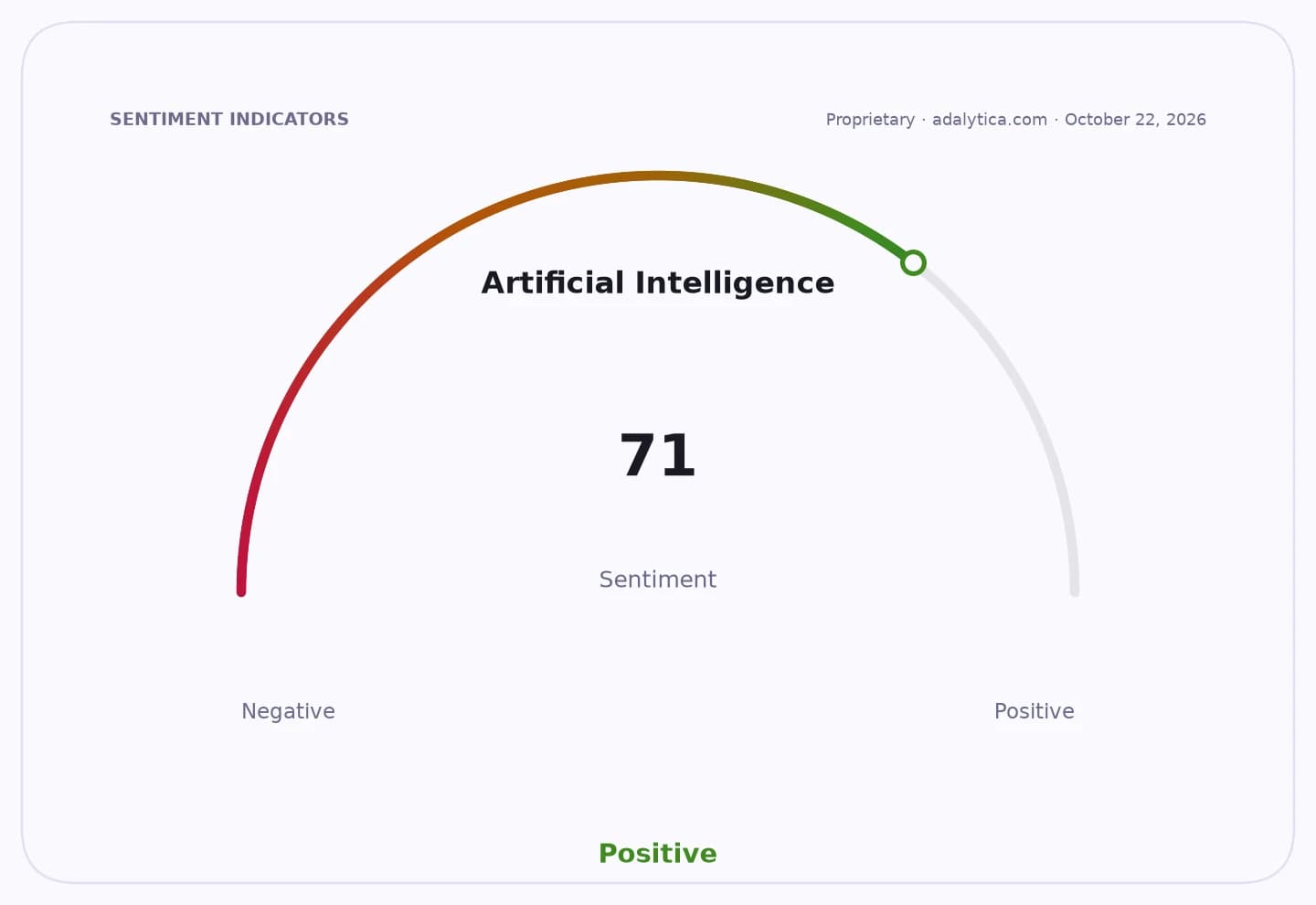
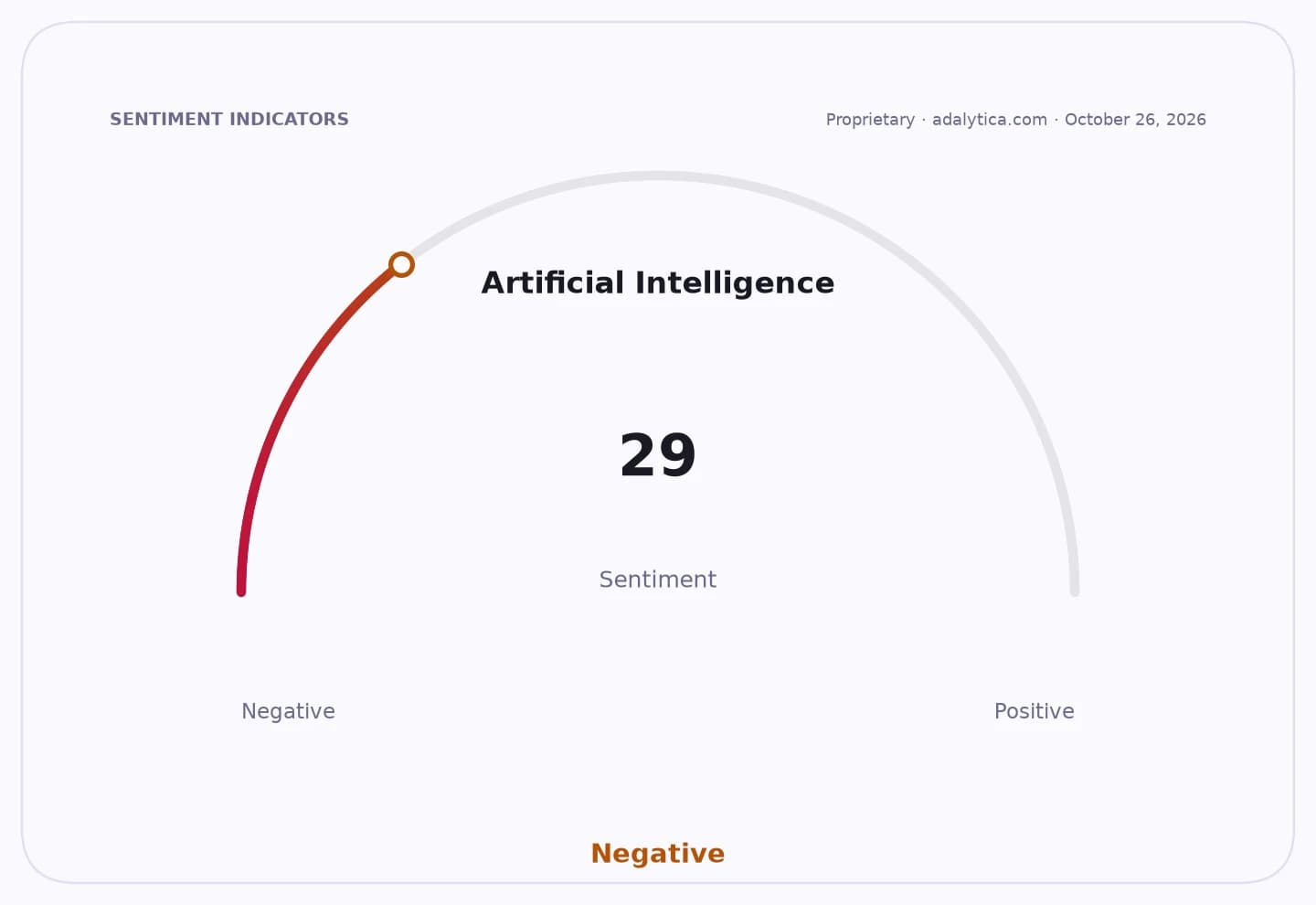
Artificial Intelligence — 30-day sentimentadalytica.com
Explore this data interactively — full history, time series and cross-market comparisons.
Amazon’s shares have been under pressure recently, with technical indicators showing the stock below its 50-day moving average and short-term momentum weakening after a sharp drop in late October. The Kindle+ launch is not a near-term earnings driver on its own, but it fits a broader strategy of using AI to improve unit economics across consumer businesses while broadening paid digital services.
For now, the key catalyst is whether Amazon extends audiobook access beyond the U.S. and whether Virtual Voice moves from invited access to a wider rollout. If adoption is strong, Kindle+ could become a template for how Amazon uses AI to reshape subscription media economics; if not, it risks remaining a product-name change with limited financial impact.
| Entity | Gains | Losses |
|---|---|---|
| Amazon | ▲Higher retention and engagement | ▼More content-quality scrutiny |
| Authors on KDP | ▲Broader audiobook reach | ▼Lower-value human narration |
| Human narrators/ACX studios | ▲More volume in the ecosystem | ▼Pressure from cheaper AI production |
| Consumers | ▲More audio content for $11.99 | ▼Potentially lower narration quality |