Amazon is kicking off the holiday toy hunt with steep LEGO discounts, and that matters because early pricing pressure can shape what families buy, how much retailers earn and how much margin sellers can protect as the season ramps up.
Amazon holiday LEGO discounts and retail margin pressure

For investors, the bigger story is not just that a few construction sets are cheaper on Wednesday, Oct. 21. It is that Amazon is leaning hard into value as shoppers remain selective, forcing toy brands and marketplace sellers to compete more aggressively for clicks and basket share. In a holiday category where demand is often won or lost on price, these promotions can pull forward purchases, clear inventory and set the tone for the rest of the quarter.
Sentiment Indicators

The move fits a broader pattern across toys and other discretionary goods: retailers are using sharper markdowns to convert cautious consumers who still want gifts, but are hunting for bargains. That is why deal-heavy events matter economically. They can lift unit sales even if average selling prices soften, helping merchants move stock before the peak season while testing how much pricing power remains in one of retail’s most promotional categories.
Amazon’s shares have also been trading in a relatively constructive pattern, with the stock at $248.00 on Oct. 23 after touching $262.37 on Oct. 21 and sitting above its 200-day moving average. Momentum cooled after the latest pop, but the long-term trend remains intact, which is what matters most to buy-and-hold investors. Price swings around retail promotions are noise; the larger question is whether Amazon keeps using its scale to capture more holiday spending without sacrificing too much profitability.
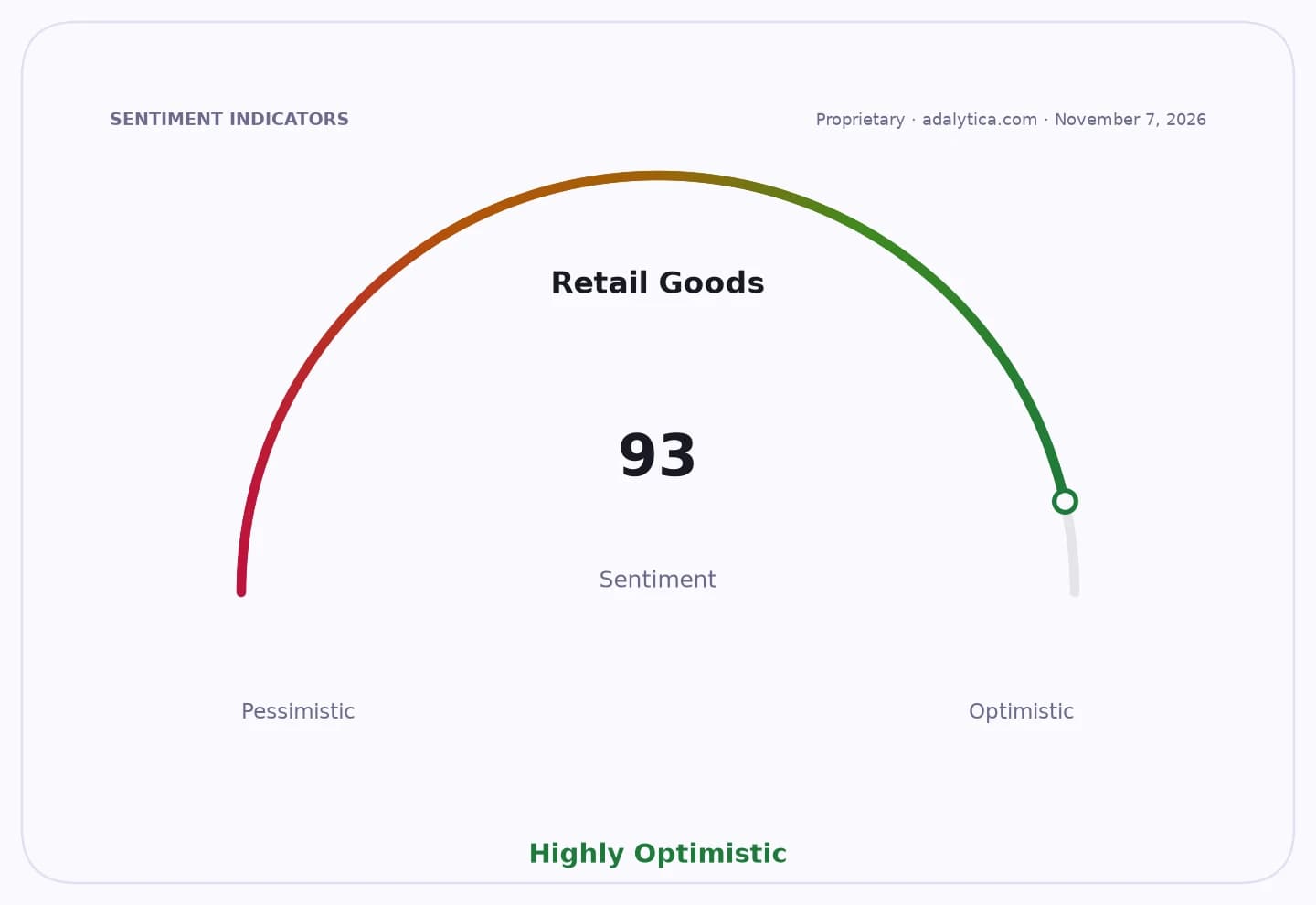
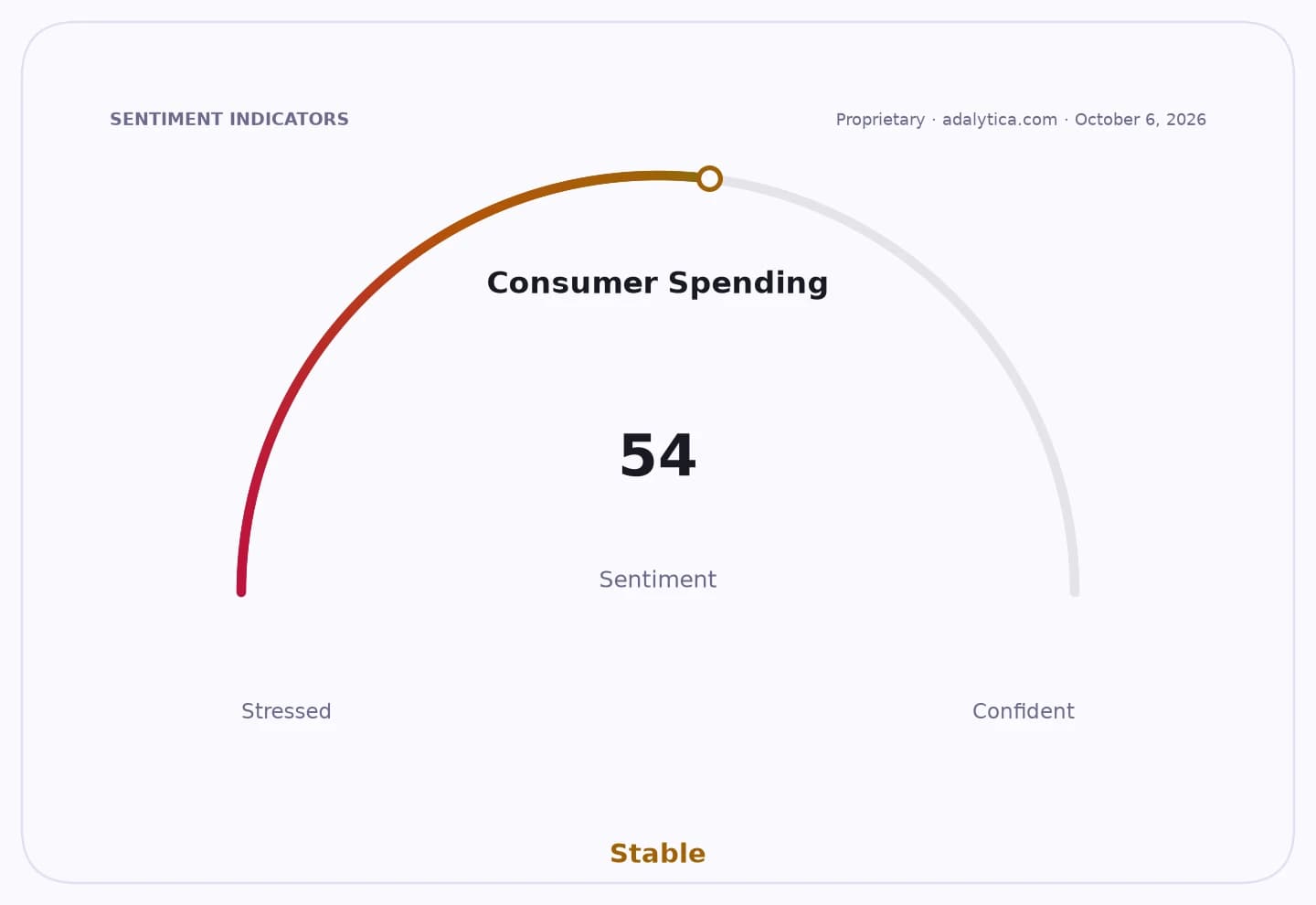
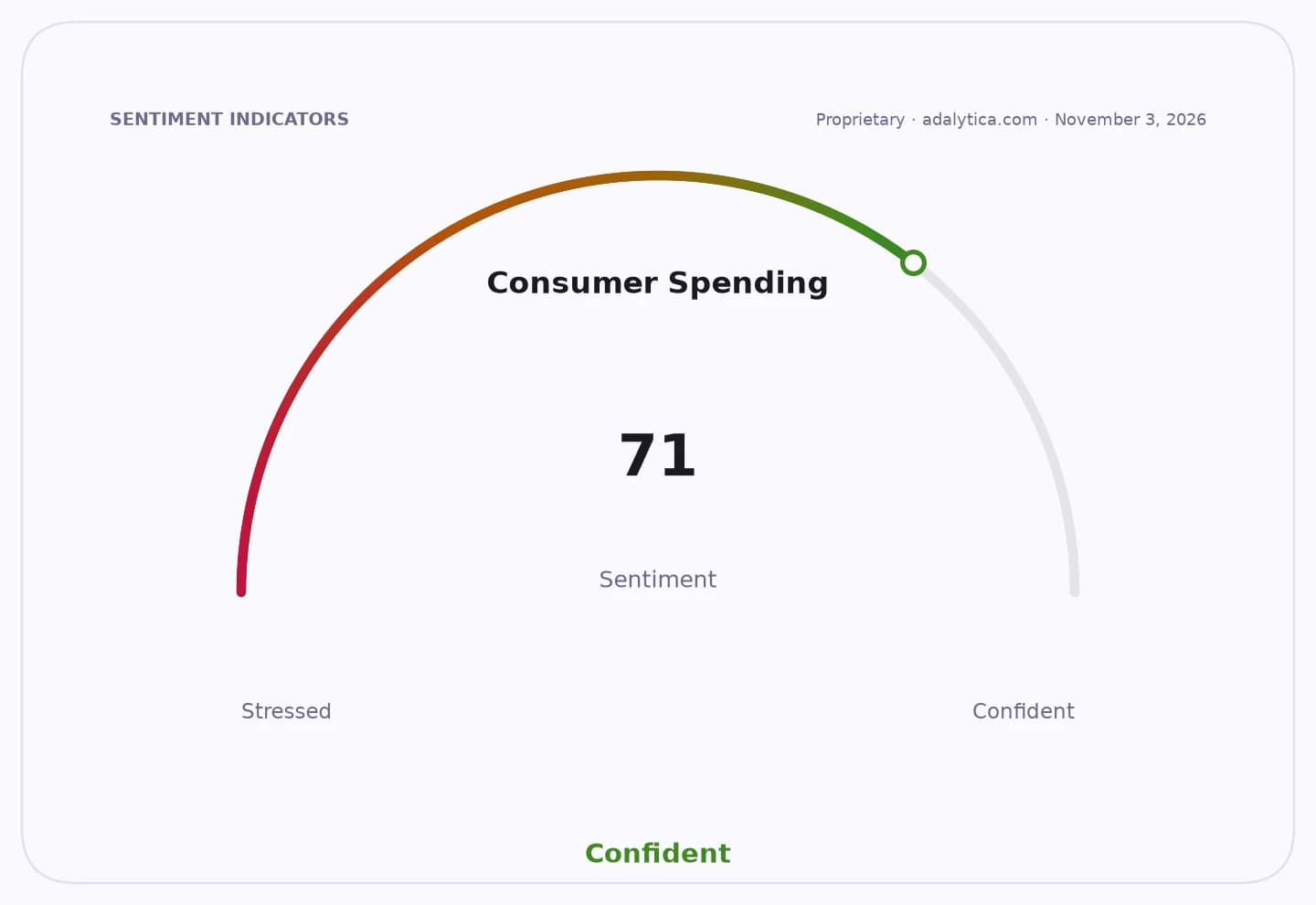
There is a second market angle here as well. Adalytica’s Retail Goods Spending Sentiment is flashing “Greed” at 71 while awareness sits in “Extreme Fear,” a combination that suggests consumers are still willing to spend when the deal is good enough, even if they are highly alert to value. That kind of backdrop favors companies with logistics scale, traffic and pricing flexibility, and it puts weaker sellers under pressure.
For long-term investors, the takeaway is simple: Amazon’s holiday discounting shows how the company keeps reinforcing its marketplace moat. The near-term margin tradeoff may be worth it if it keeps shoppers inside the ecosystem, moves inventory and deepens loyalty ahead of the most important sales stretch of the year. If you own Amazon for the long haul, this is the kind of competitive behavior worth watching, not fearing.
| Entity | Gains | Losses |
|---|---|---|
| Amazon | ▲More traffic and holiday sales | ▼Some pricing power |
| LEGO buyers | ▲Lower gift prices | ▼Smaller selection at full price |
| Third-party toy sellers | ▲Faster inventory turnover | ▼Margin pressure |
| Smaller retailers | ▲Nothing material | ▼Share to Amazon |