Amazon is leaning hard into holiday demand with steep Nintendo discounts before Black Friday, and that matters because early promotions can tell you a lot about how aggressively retailers are clearing shelves and protecting traffic heading into the biggest shopping stretch of the year.
Amazon Black Friday Nintendo Discounts Drive Traffic
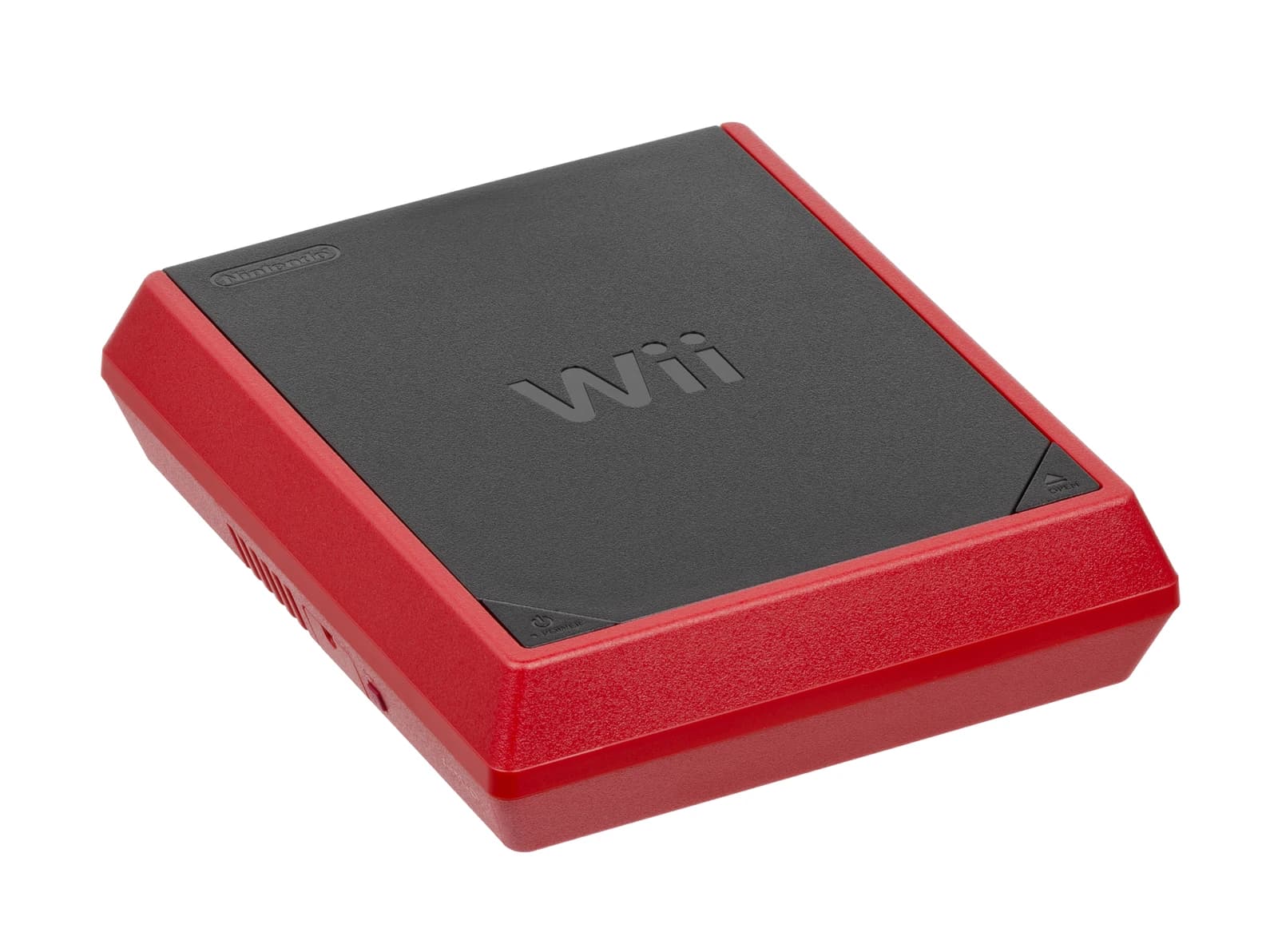
For investors, this is less about one flash sale and more about the health of holiday retail economics. Amazon is using Nintendo hardware and software as traffic drivers, cutting prices on the Switch 2, the older Switch, and marquee franchises like Zelda and Mario Kart to pull shoppers into its marketplace. That is classic Black Friday strategy: sacrifice some margin on high-interest products to win the customer basket. The winners are the retailers that can convert that traffic into larger purchases, while the losers are the sellers sitting on inventory and hoping demand holds up later in the season.
Sentiment Indicators
The pricing is notable. Amazon is offering the Nintendo Switch 2 at 449 euros, down from 499.99 euros, while the original Switch falls to 266.09 euros from 299 euros. Super Mario Galaxy and Galaxy 2 are listed at 51.49 euros, and Mario Kart 8 Deluxe is down to 43.99 euros. Those are not enormous absolute cuts, but they are meaningful because Nintendo hardware and software typically carry strong brand loyalty and relatively inelastic demand. When a retailer discounts these products anyway, it often means the goal is volume, not just a prettier headline price.
That fits with the broader holiday setup. Amazon has a huge incentive to front-load demand, especially if it believes shoppers are comparing marketplaces earlier than usual. The company also knows video games are one of the few categories that can convert into repeat visits: once a buyer comes for a console or a best-selling title, they often add controllers, accessories, gift cards or household items to the cart. In other words, Nintendo is not just a gaming story here. It is a shopper-acquisition story.
The market has treated Amazon as a winner in that equation. The stock has climbed to about $270.87, up from $226.50 at the start of the year, and it sits above both its 50-day and 200-day moving averages, a sign the broader trend remains constructive. Recent trading has also shown improving momentum as the stock has pushed higher from early-November levels. For long-term investors, that matters because the holiday period can reinforce Amazon’s scale advantage if it translates into stronger marketplace sales and better ad monetization.
Nintendo, meanwhile, is still in a favorable spot even with markdowns. The stock has recovered to around $13.33 from earlier lows this year, helped by a steadier tape and improving technical signals, with the shares now roughly in line with the 50-day and 200-day moving averages. The bigger question for Nintendo investors is not whether a Black Friday sale exists — it always does — but whether holiday promotions help broaden the Switch family’s installed base and keep first-party titles in rotation. That is what sustains the compounding effect in gaming: hardware sells the ecosystem, and the ecosystem keeps generating software revenue for years.
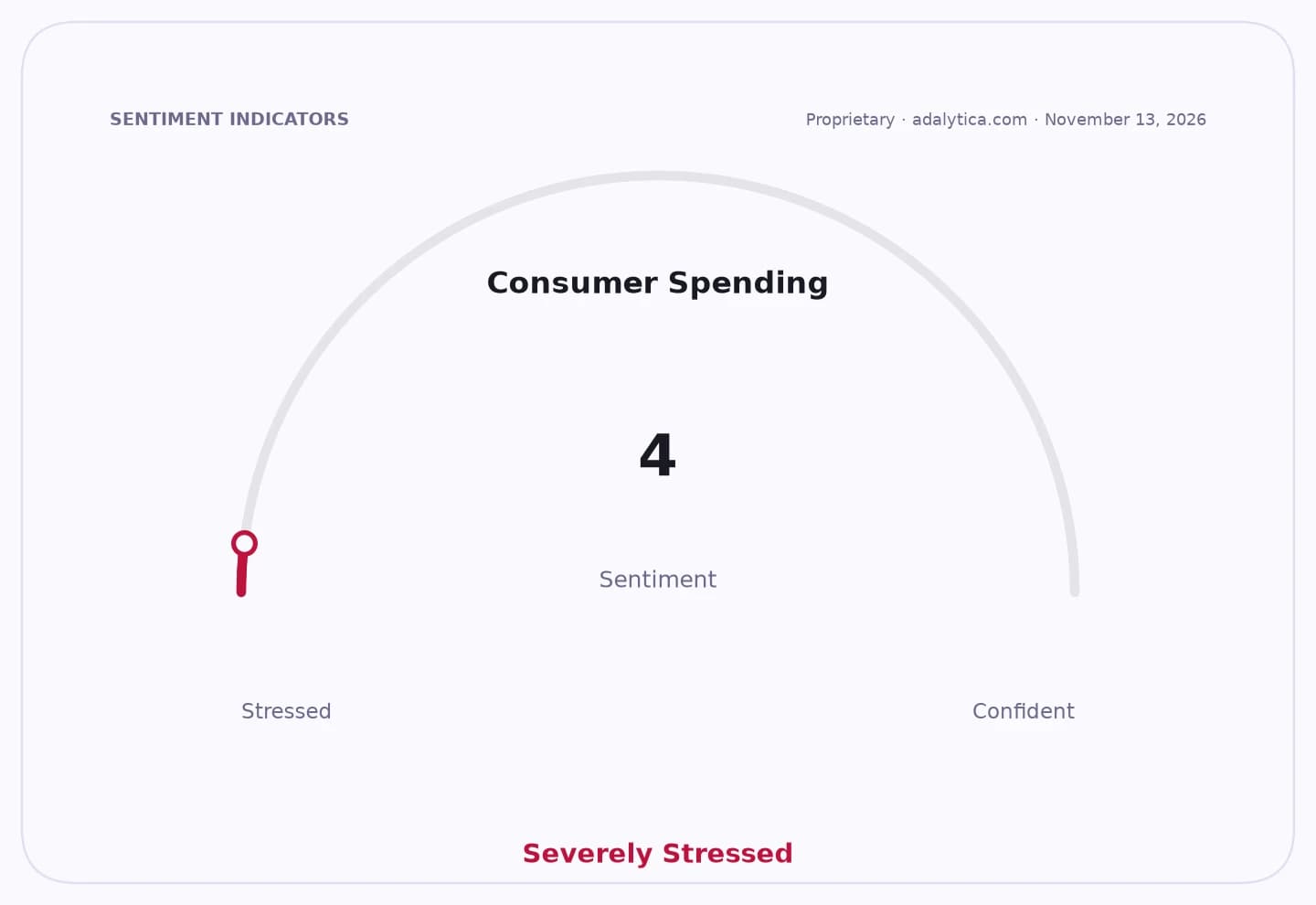
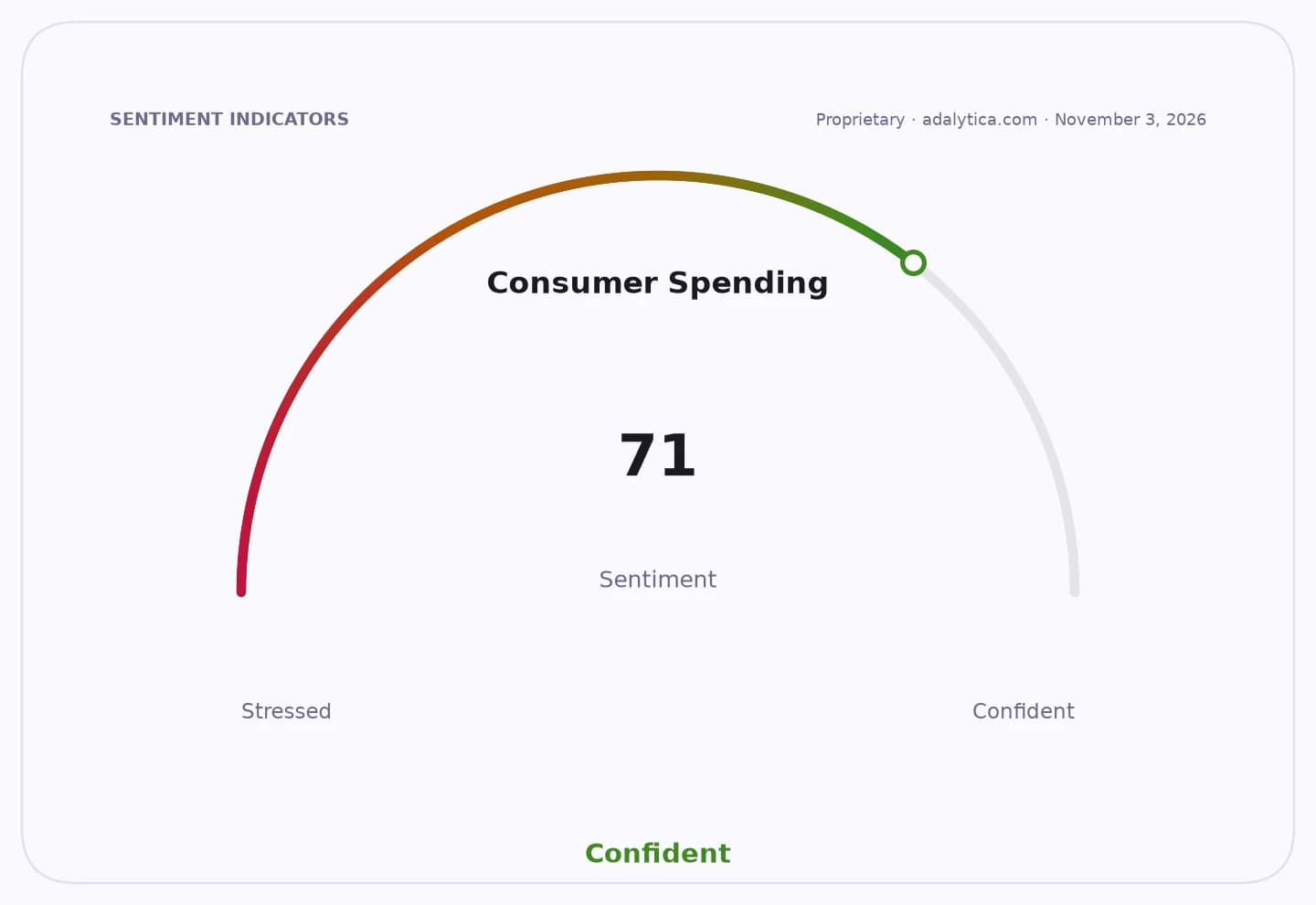
Adalytica’s Retail Goods Spending Sentiment has also turned neutral after a sharp run-up and pullback, suggesting investors are watching holiday demand closely rather than pricing in a one-way consumer boom. That makes the Amazon-Nintendo discount wave more important than it may look at first glance. It is a real-time check on how much buying power is still out there, and how hard retailers are willing to fight for it.
For long-term investors, the takeaway is straightforward: Amazon looks like the sharper business here because it can turn holiday traffic into a broader commerce and advertising flywheel, while Nintendo remains a high-quality content business that can benefit from seasonal demand even when prices are trimmed. If you are building wealth over years, not days, both belong on the watchlist — but Amazon is the more important beneficiary of this Black Friday push.
| Entity | Gains | Losses |
|---|---|---|
| Amazon | ▲Holiday traffic, basket size | ▼Margin on discounted items |
| Nintendo | ▲Console and game sell-through | ▼Pricing power on promos |
| Shoppers | ▲Lower prices, better bundles | ▼Fewer full-price choices |
| Competing retailers | ▲None | ▼Traffic to Amazon |