Amazon is using pet supplies as an early draw for its Prime Big Deal Days event, extending discounts into a category that is sticky, repeat-purchase heavy and strategically useful for driving traffic as consumer demand remains uneven.
Amazon Pet Supplies Deals Ahead of Prime Big Deal Days
The move matters because pet products sit at the intersection of discretionary spending and household necessity. For Amazon, deeper promotions can support engagement, membership retention and basket expansion even if they trim near-term margins. For investors, the question is less about one sale cycle than whether Amazon’s scale lets it keep leaning on price without sacrificing profitability, while competitors with thinner balance sheets are forced to match promotions they can least afford.
Sentiment IndicatorsⓘProprietary · adalytica.com · September 27, 2026
This is a snapshot — live sentiment, awareness and momentum for 130+ markets update continuously in the dashboard.Open AlphaPulse
Amazon’s stock has been trading below its recent highs even after a powerful run earlier in the year, with the shares around $249.67 in the latest session, still above the 200-day moving average of $240.85 but below the 50-day average of $256.18. The relative strength index near 40 and a slightly negative MACD reading suggest the market is cautious rather than euphoric heading into the event.
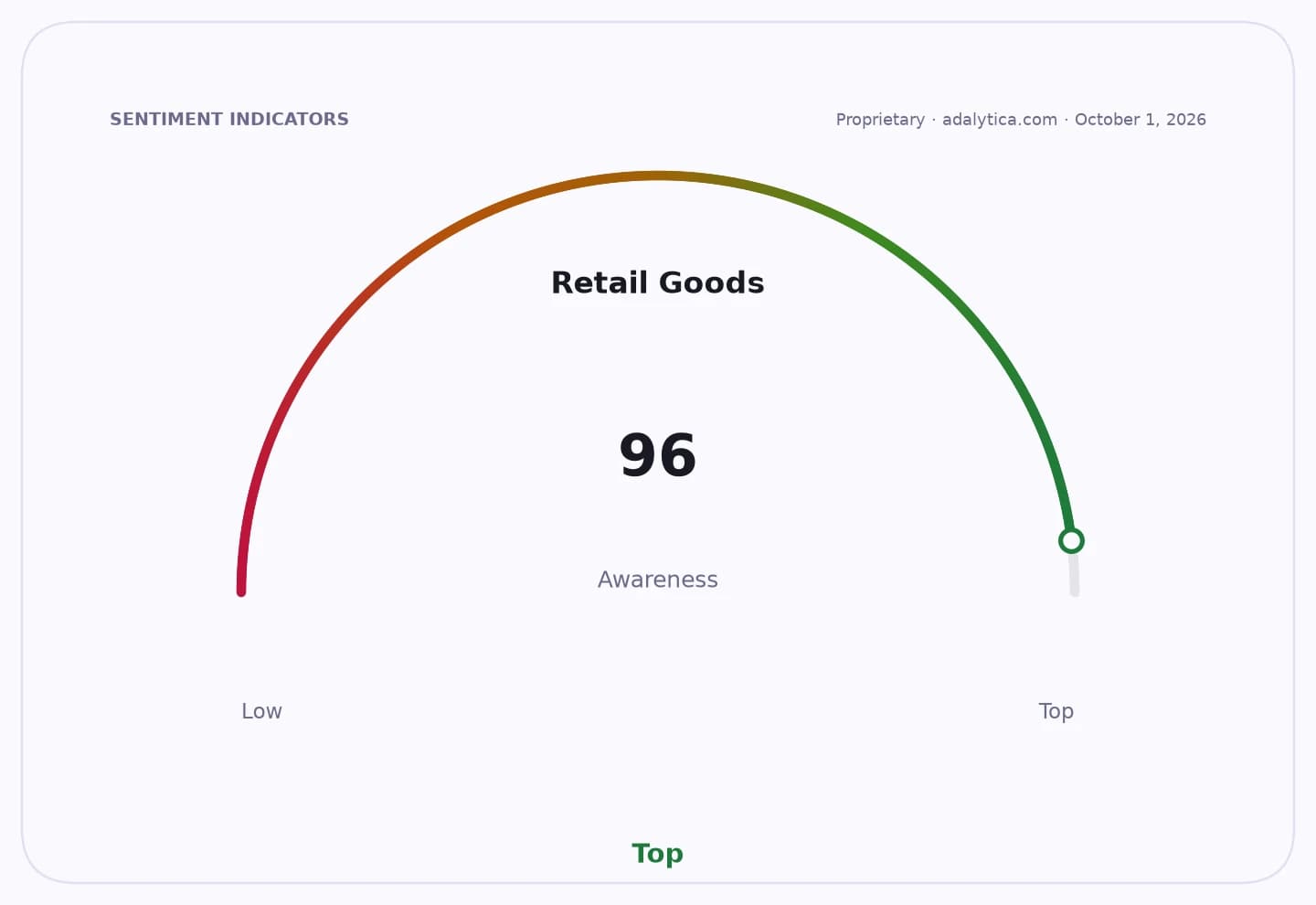
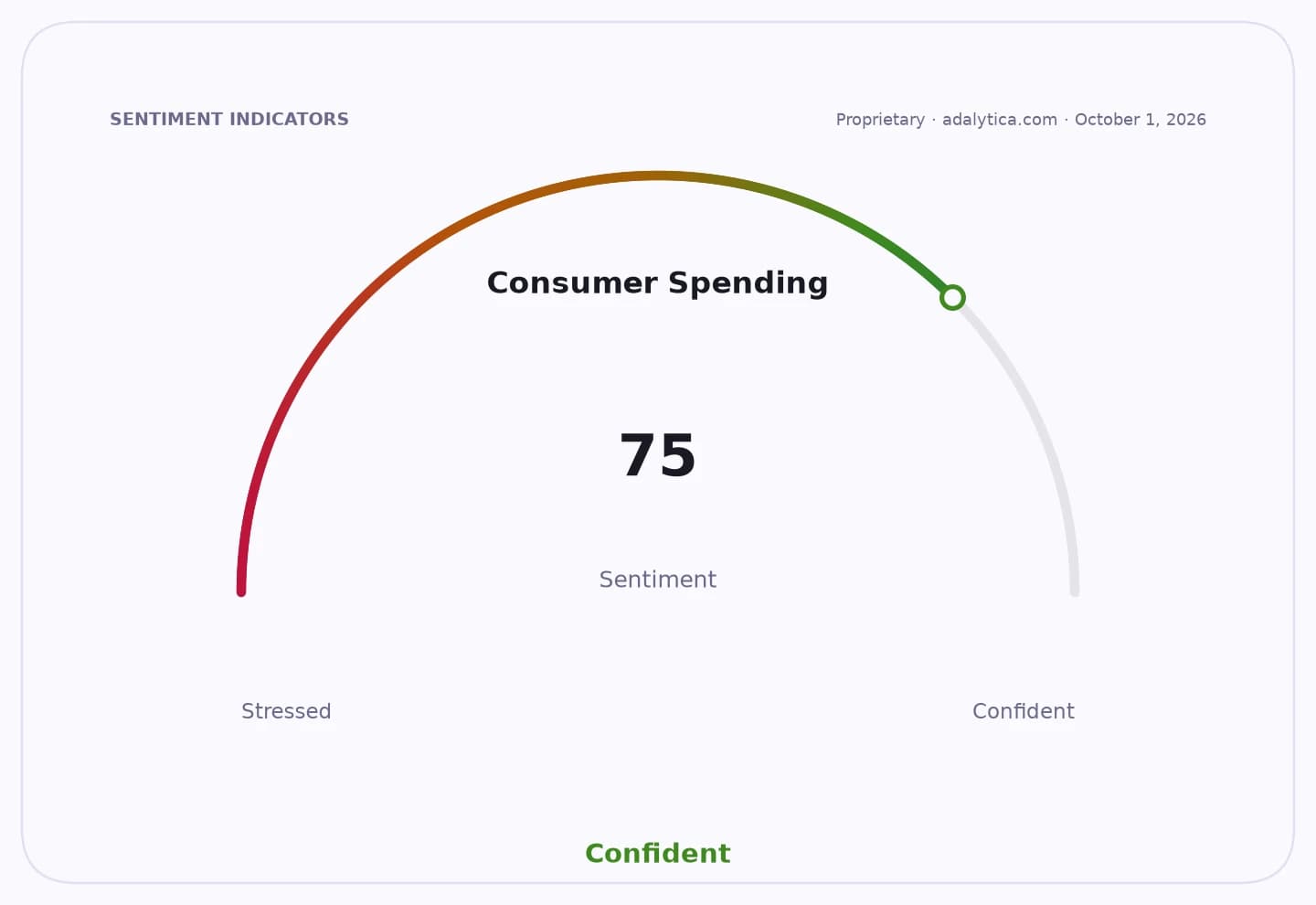
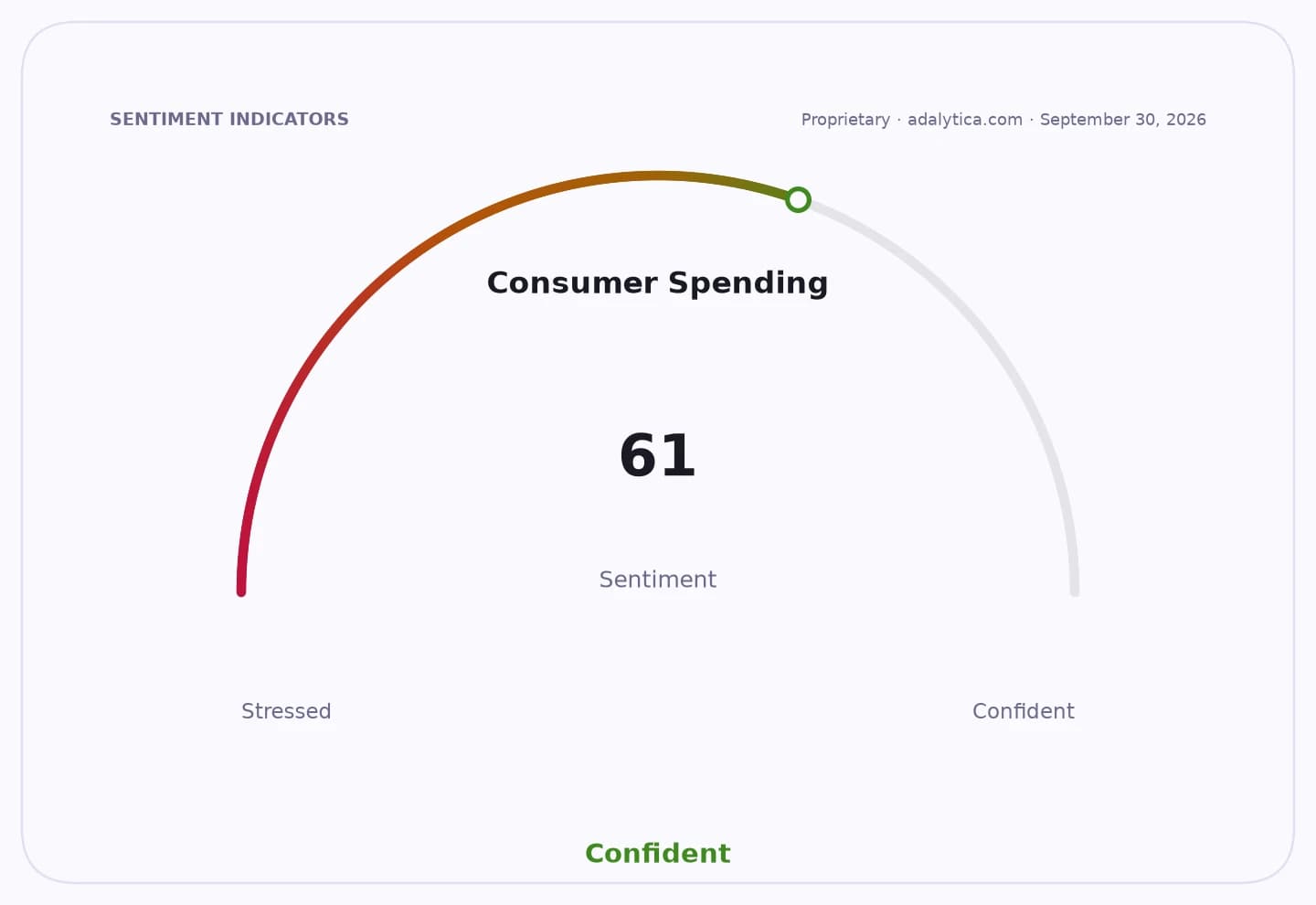
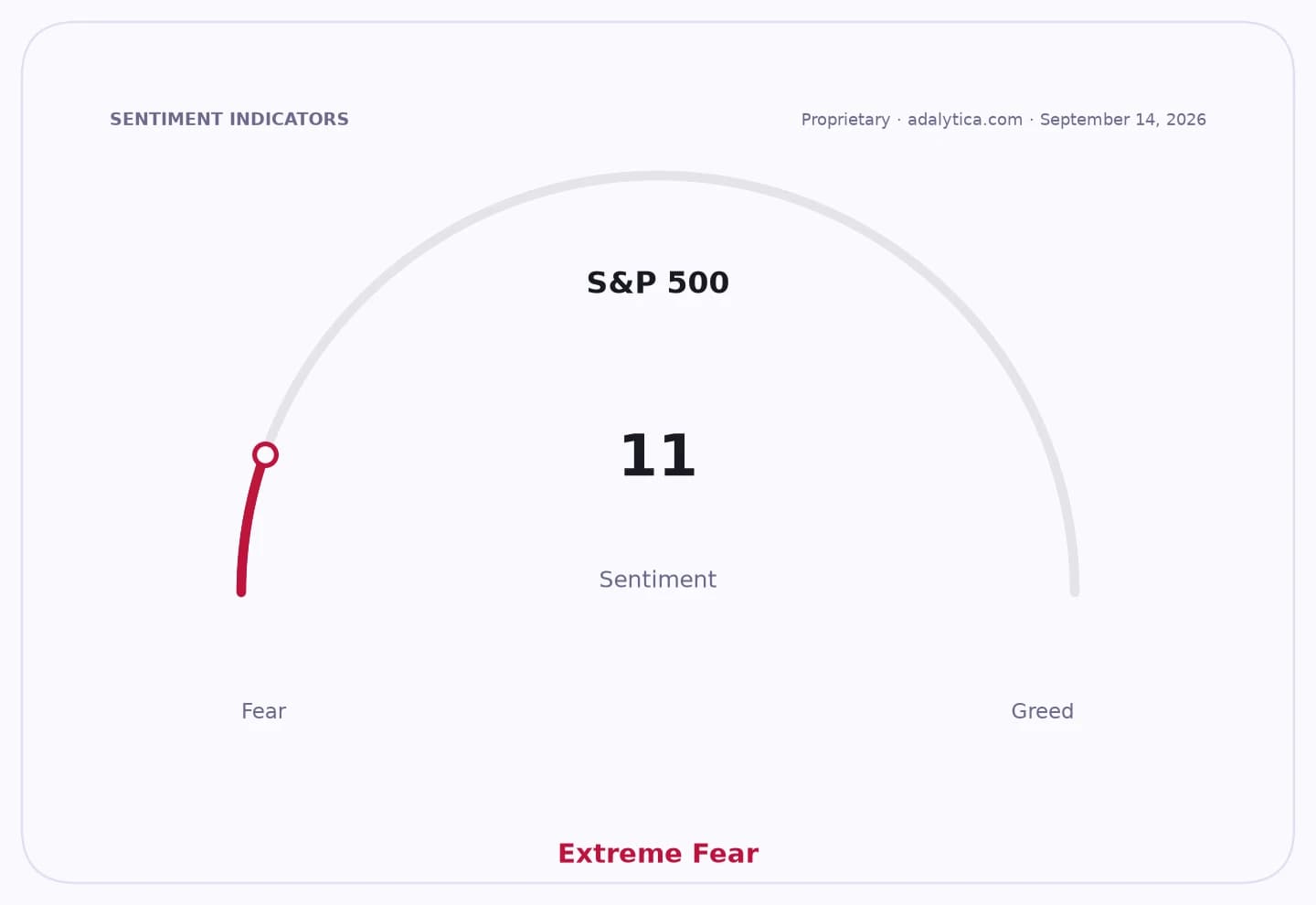
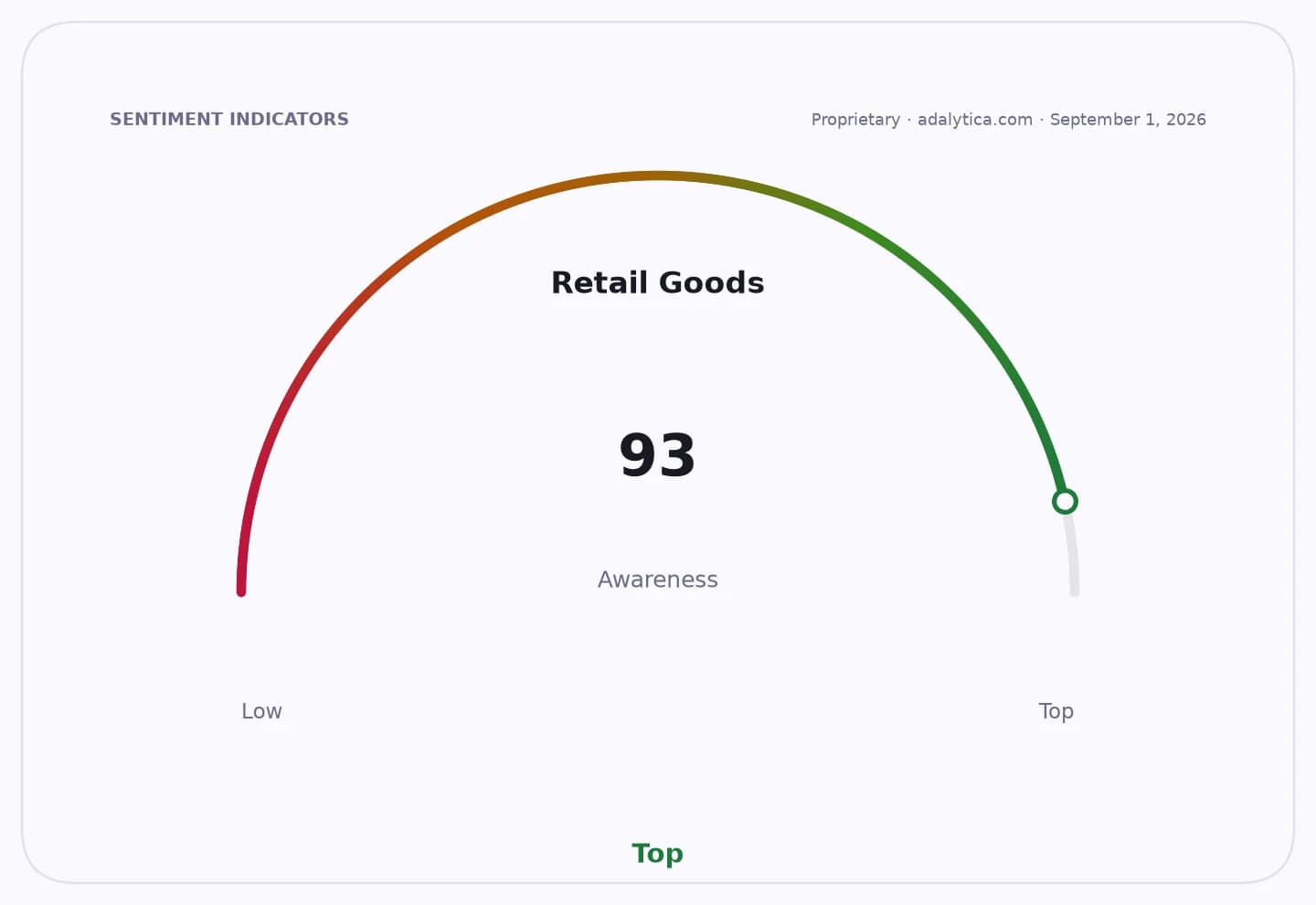
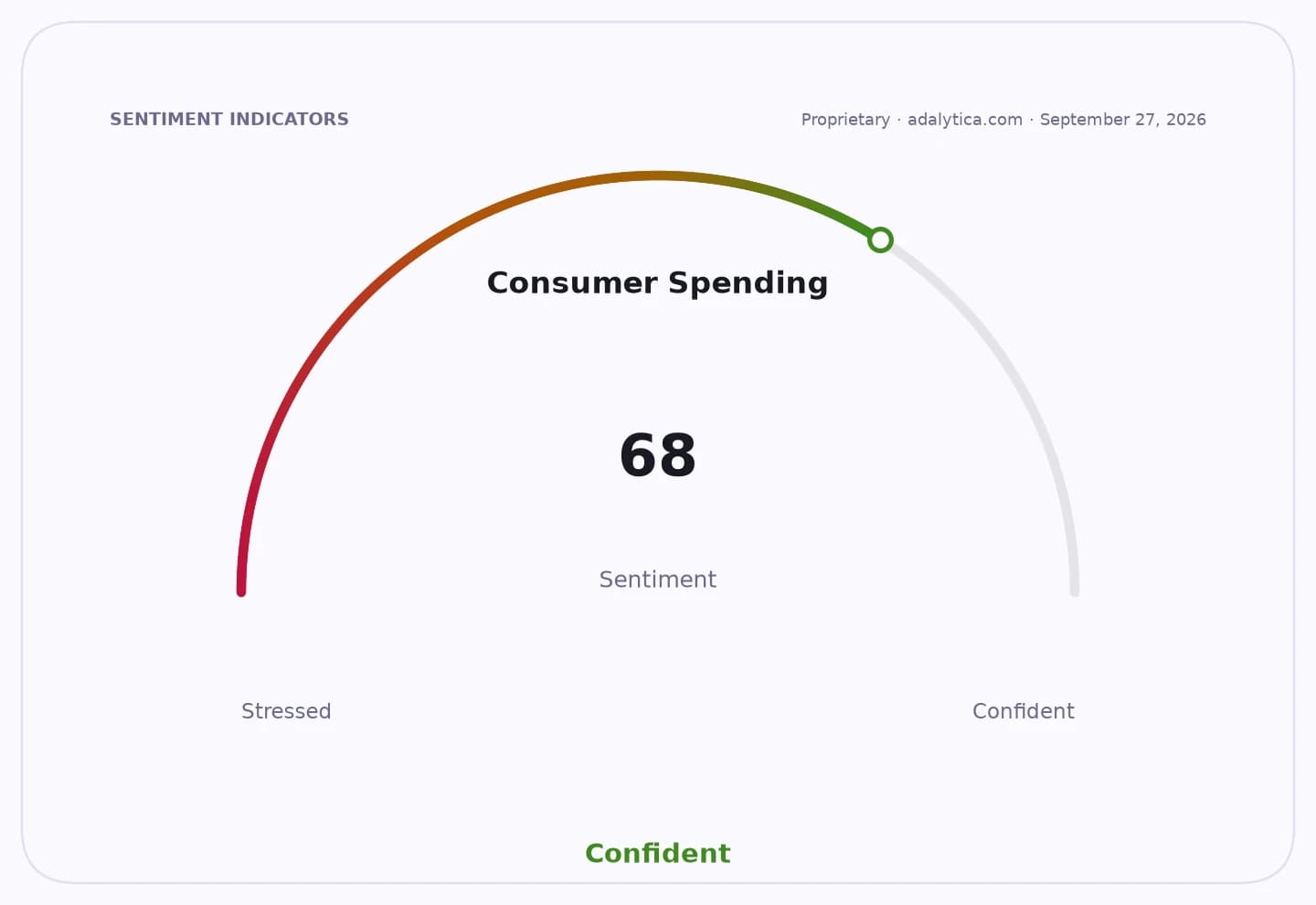
That backdrop is important because Amazon is no longer just pushing deals to win one shopping day. It is defending share across a broader consumer landscape that remains mixed. Adalytica’s Consumer Spending Sentiment is neutral at 68, but awareness is still in extreme fear territory at 11, while Retail Goods Spending Sentiment sits at 61 with fear at 21. That combination points to shoppers who are still price-sensitive and quick to respond to discounts, even if they are not yet in outright distress.
That favors Amazon’s model. The company can absorb heavier promotional intensity across a vast marketplace and use it to pull buyers into categories where it can monetize through frequency, Prime lock-in and higher-order values. Pet supplies are especially attractive because they are recurring purchases with broad household appeal, and they help Amazon compete on a category where convenience and delivery speed matter as much as price.
The pressure lands harder on rivals. Chewy’s shares have been under strain, with the stock at $18.27, far below its 50-day average of $22.23 and 200-day average of $24.89. The RSI around 16 shows the market is already pricing in severe weakness. Petco is in a similar position, with the stock near $2.27 and below both its 50-day and 200-day averages. Both companies operate in a segment where Amazon’s scale, logistics and willingness to use discounting can compress margins and make customer retention more expensive.
The competitive dynamic is especially acute because pet retail is already structurally vulnerable to price comparison. Chewy’s own filings say it offers about 190,000 products and emphasizes merchandising and service, while Petco has pointed to inflation, supply-chain constraints and tariffs as factors affecting results. Amazon’s latest push suggests it intends to use big retail events not just to sell more goods, but to widen the gap with specialists whose economics are more exposed to promotional wars.
For investors, the near-term bull case is straightforward: if Amazon converts deal traffic into higher Prime engagement and larger baskets, the sales lift can outweigh the margin hit. The bear case is that the event reinforces a familiar pattern in online retail — growth bought through discounts — and leaves open whether incremental volume is enough to offset pressure on take rates and fulfillment economics.
What to watch next is whether pet supply promotions spill over into broader categories and whether competitors respond with deeper markdowns. If Amazon can use Prime Big Deal Days to intensify traffic without a meaningful deterioration in profitability, it strengthens the case for continued share gains in digital retail. If not, the event may simply underscore how much leverage Amazon has over a consumer market still hunting for value.
| Entity | Gains | Losses |
|---|---|---|
| Amazon | ▲Higher traffic and Prime engagement | ▼Some margin pressure |
| Price-sensitive shoppers | ▲Lower pet supply prices | ▼Less promotional discipline |
| Chewy | ▲Category attention if demand rises | ▼Share and pricing pressure |
| Petco | ▲Possible traffic lift from the category | ▼Weaker competitive positioning |