Amazon is using steep smart-TV discounts of as much as 54% to pull shoppers back into big-ticket consumer electronics, a sign that the retail giant is leaning harder on promotions to capture spending into the holiday quarter.
Amazon Smart-TV Discounts Boost Holiday Sales
That matters because televisions are one of the clearest read-throughs on discretionary demand: when Amazon pushes deals this deep on LG, Samsung, TCL, Xiaomi and its own marketplace sellers, it is not just moving inventory, it is defending share in a category where consumers are still highly price-sensitive and where manufacturers need channel support to clear stock. For investors, the message is straightforward — Amazon can still drive conversion at scale, while the winners are the brands with enough margin and supply-chain flexibility to participate without destroying profitability.
Sentiment IndicatorsⓘProprietary · adalytica.com · October 1, 2026
This is a snapshot — live sentiment, awareness and momentum for 130+ markets update continuously in the dashboard.Open AlphaPulse
The promotion spans entry-level 32-inch sets and larger 4K models, including LG WebOS smart LEDs, Samsung Tizen TVs, Mi and TCL Google TV models, and Android-powered sets from VW and others. The assortment points to a market that is still trading up selectively: shoppers want smart-TV functionality, voice assistants and streaming integration, but they are hunting for value first. In that environment, Amazon’s bestsellers page becomes a demand sink, concentrating traffic around a few high-conversion products and reinforcing the marketplace’s role as the default checkout for consumer electronics.
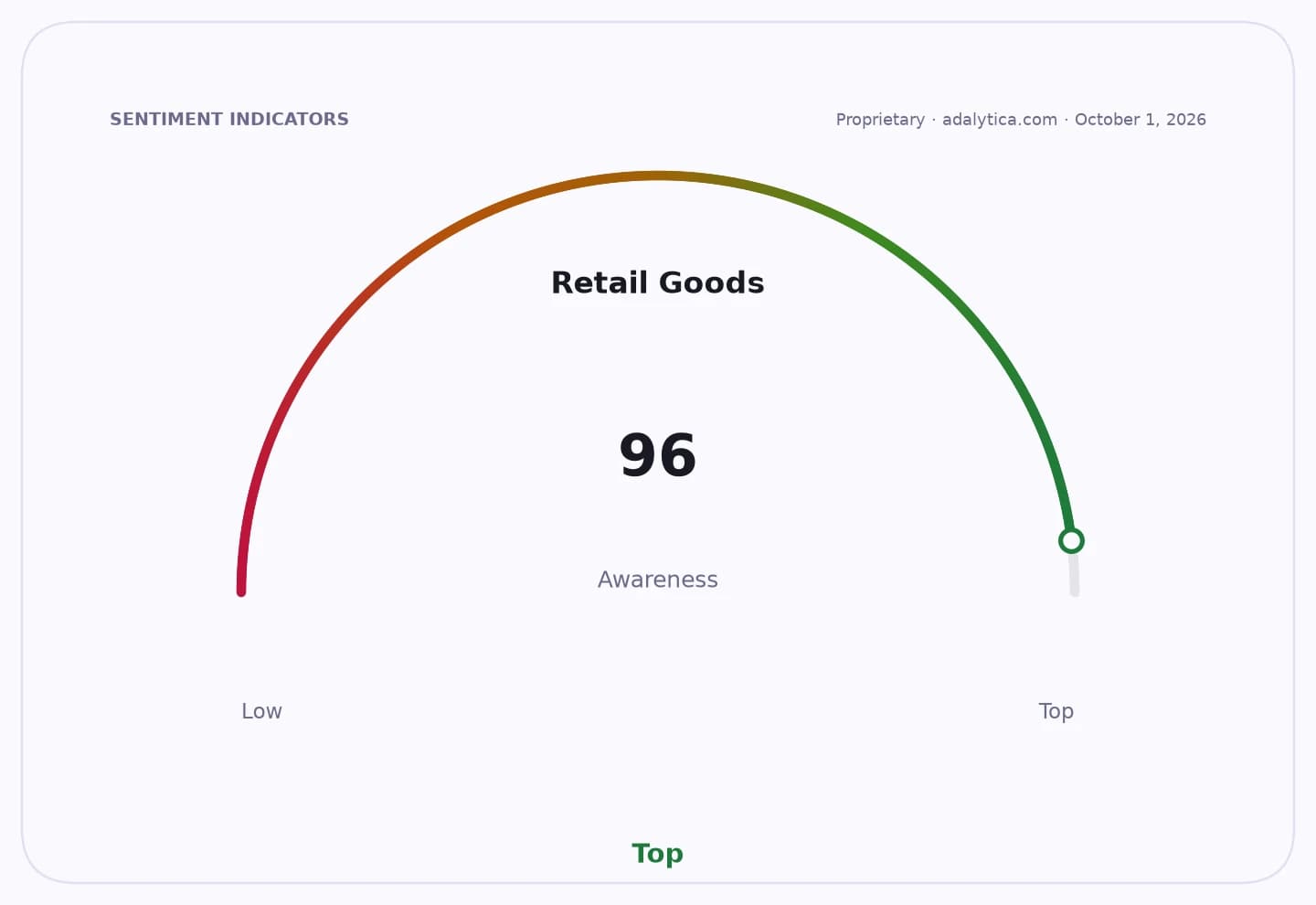
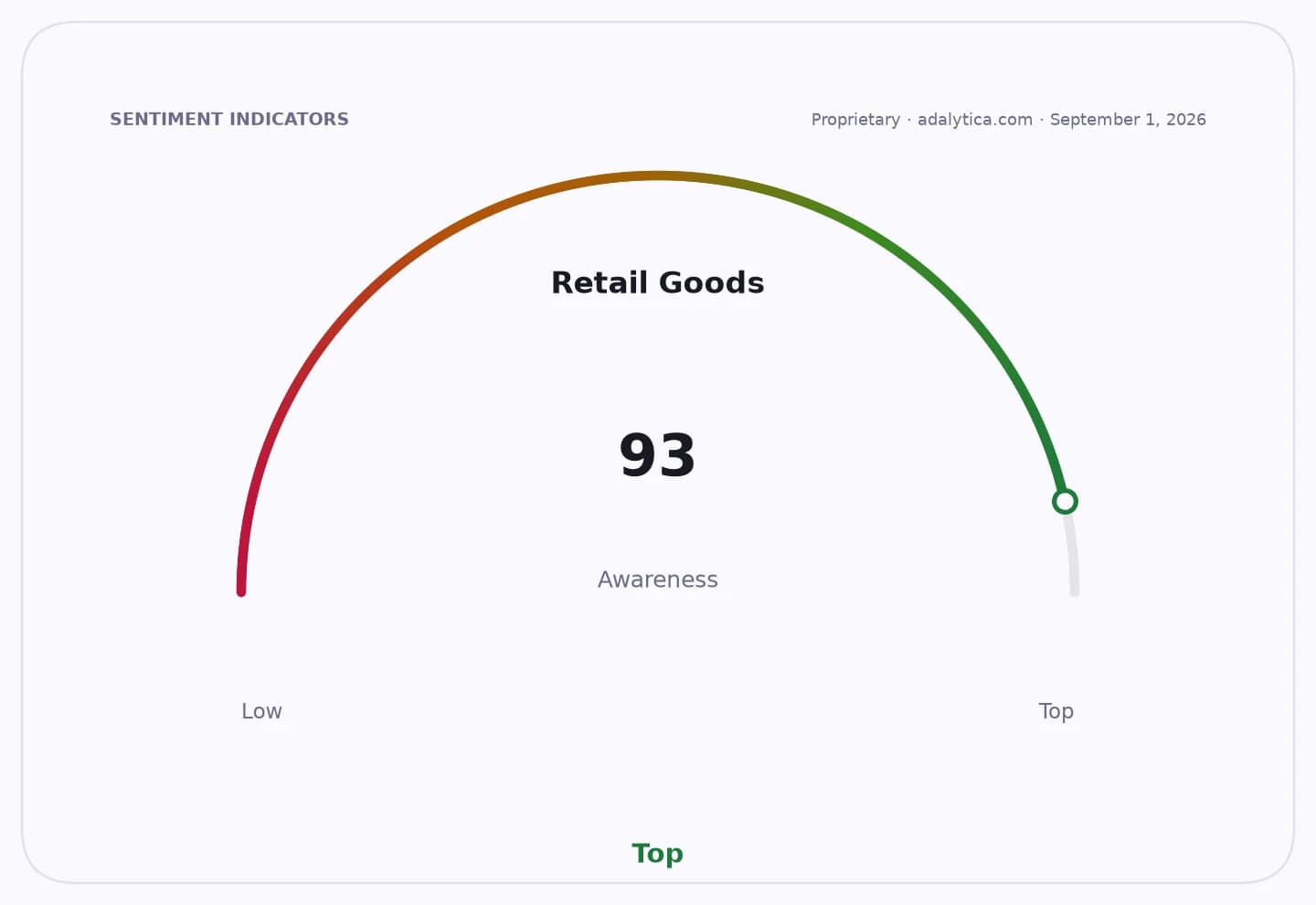
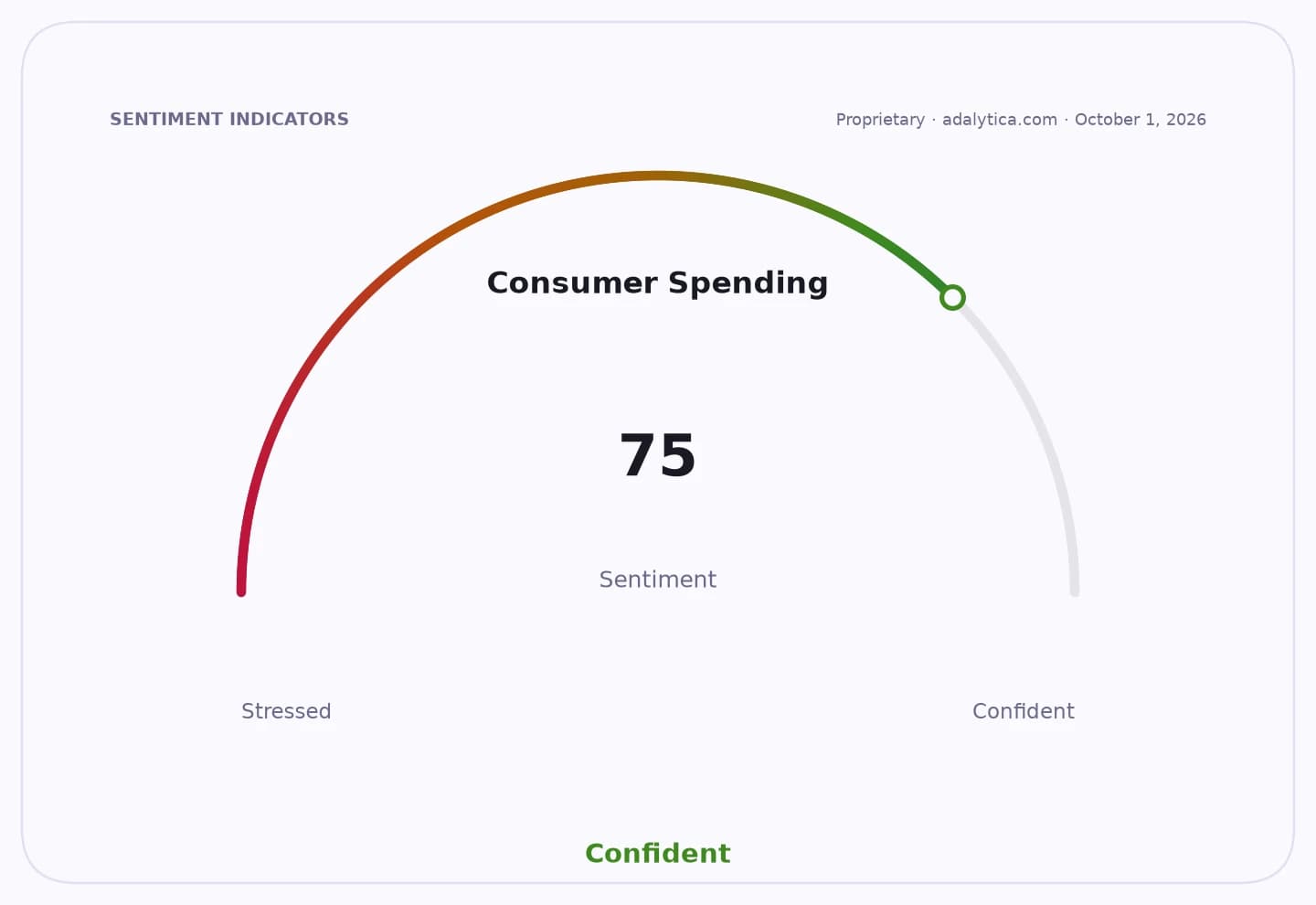
The timing also fits a broader shift in spending behavior. Adalytica’s Consumer Spending Sentiment gauge is at 75, still in “Greed” territory, but the retail-goods sentiment snapshot sits at just 18, squarely in “Fear,” showing that consumers remain eager to browse while staying cautious on purchases. That split is exactly where Amazon excels: it can convert intent with promotions, bundle price transparency with fast delivery, and use its scale to win the sale even when the consumer is not ready to pay full price.
For Amazon, this is less about a one-off sale than about keeping the flywheel turning. Promotions on durable goods drive traffic, traffic drives marketplace commissions, and higher unit movement improves logistics efficiency. For TV makers, the calculus is tougher. LG and Samsung can protect premium positioning at the top of the market, but brands that rely on Amazon for volume are increasingly forced to buy visibility through discounts, which can compress margins and make channel execution more important than product features alone.
Amazon’s stock has also been grinding back from its recent lows, with the shares trading around $249 after recovering from sub-$230 levels earlier in the quarter. The technical backdrop is constructive but not euphoric: the stock remains above its 200-day moving average, while RSI readings near the high-40s suggest it is not overextended. That leaves room for the market to reward any evidence that retail demand is stabilizing into year-end.
The bigger investment takeaway is that Amazon is still one of the best toll roads in consumer spending, and smart-TV discounts are a reminder of how much pricing power sits with the platform, not just the brands on the shelf. If holiday demand proves durable, the upside does not stop with Amazon — it flows to the suppliers that can feed the promotion machine, while the laggards are the smaller TV names that cannot afford to compete on both price and scale.
| Entity | Gains | Losses |
|---|---|---|
| Amazon | ▲Higher traffic and conversion | ▼Lower near-term margin on promos |
| LG, Samsung, TCL | ▲Volume and channel placement | ▼Pricing pressure |
| Shoppers | ▲Lower TV prices | ▼Fewer full-price purchases |
| Smaller TV brands | ▲Faster sell-through | ▼Weaker bargaining power |