Amazon is using its early Prime Big Deal Days rollout to push far more than electronics and beauty discounts: it is turning tax-advantaged healthcare spending into a retail growth lever ahead of the Oct. 6-7 sale.
Amazon Prime Big Deal Days Adds FSA-Eligible Items
That matters because FSA-eligible products — from Tylenol and Pataday eye drops to CeraVe cleansers, LED face masks and smart scales — can be bought with pre-tax dollars, effectively lowering the out-of-pocket cost for shoppers while lifting conversion for Amazon. In an environment where consumers remain price-sensitive and retailers are fighting for discretionary spend, the combination of a discount event and a tax break is a powerful incentive to buy now rather than wait for another chain or pharmacy.
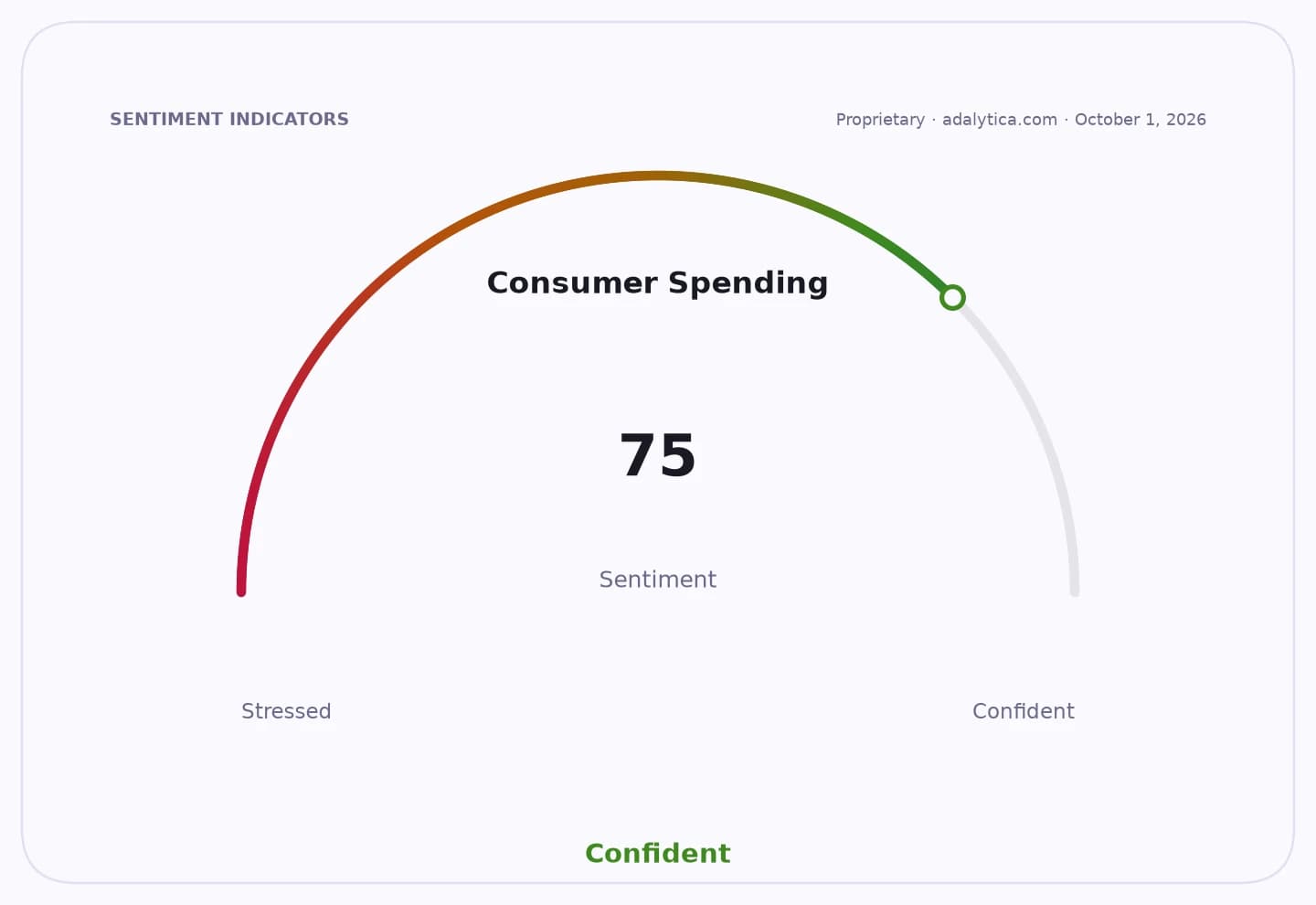
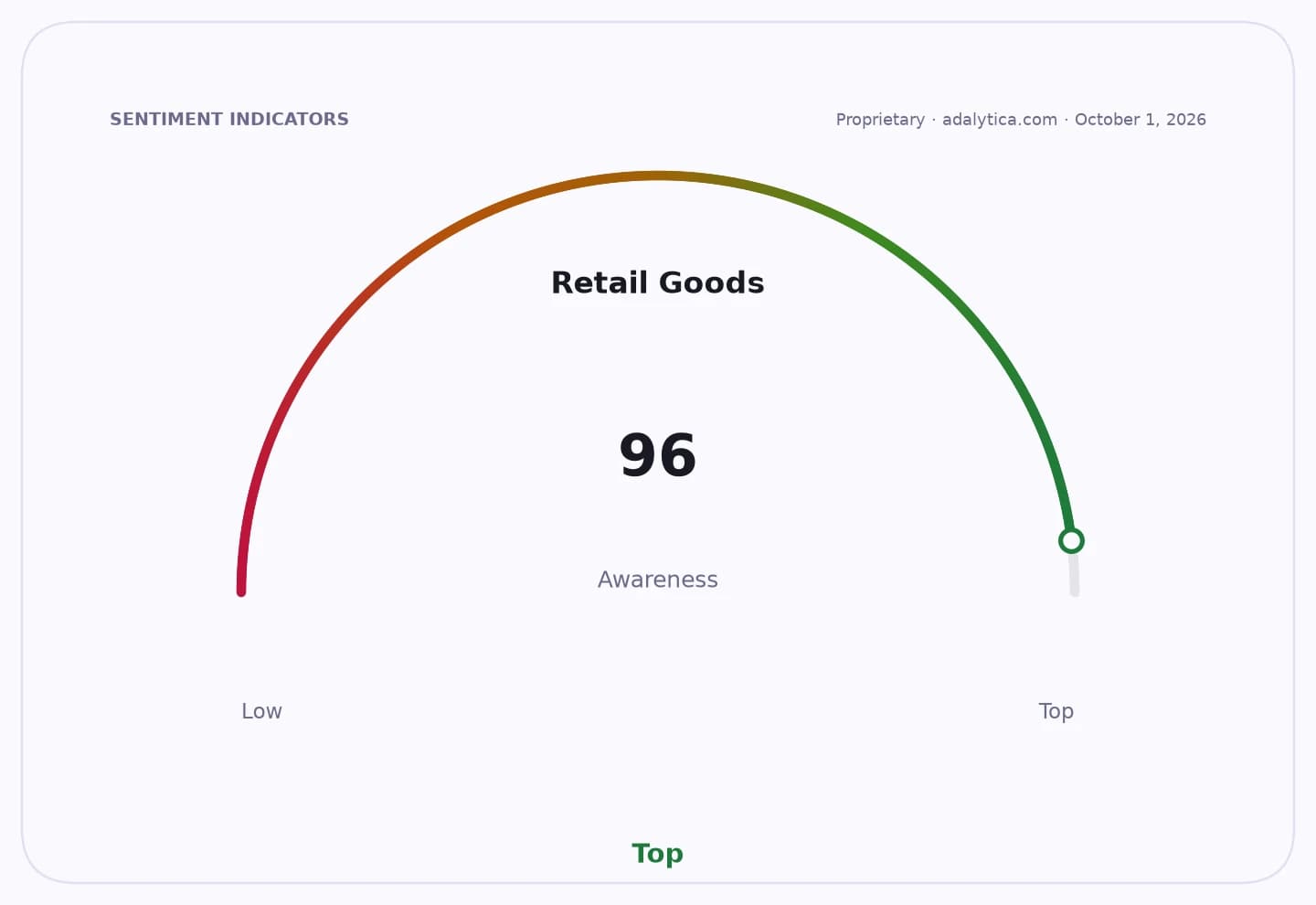
Sentiment IndicatorsⓘProprietary · adalytica.com · October 1, 2026
This is a snapshot — live sentiment, awareness and momentum for 130+ markets update continuously in the dashboard.Open AlphaPulse
The pitch also helps explain why Amazon’s fall promotion is landing before the official Prime Big Deal Days window. By surfacing “hidden” eligible items at the start of the sale cycle, Amazon is broadening the basket beyond classic holiday-stock-up goods and into everyday healthcare, skincare and wellness purchases. That could support volume not only for Amazon’s retail operation but also for sellers in beauty and personal care, two categories where shoppers are already accustomed to tradeing up if the price is right.
Investors will care because the strategy speaks to Amazon’s ability to monetize traffic across multiple high-frequency categories without relying solely on low-margin consumables or one-off big-ticket purchases. The company’s shares have been volatile around the low $240s to mid-$260s this quarter, while the stock recently traded above its 50-day and 200-day moving averages, suggesting the market still sees room for upside if holiday demand and ad-supported retail engagement hold up. Prime Day traffic also tends to reinforce Amazon’s ecosystem lock-in, which is valuable as the company keeps spending heavily on logistics and AI infrastructure.
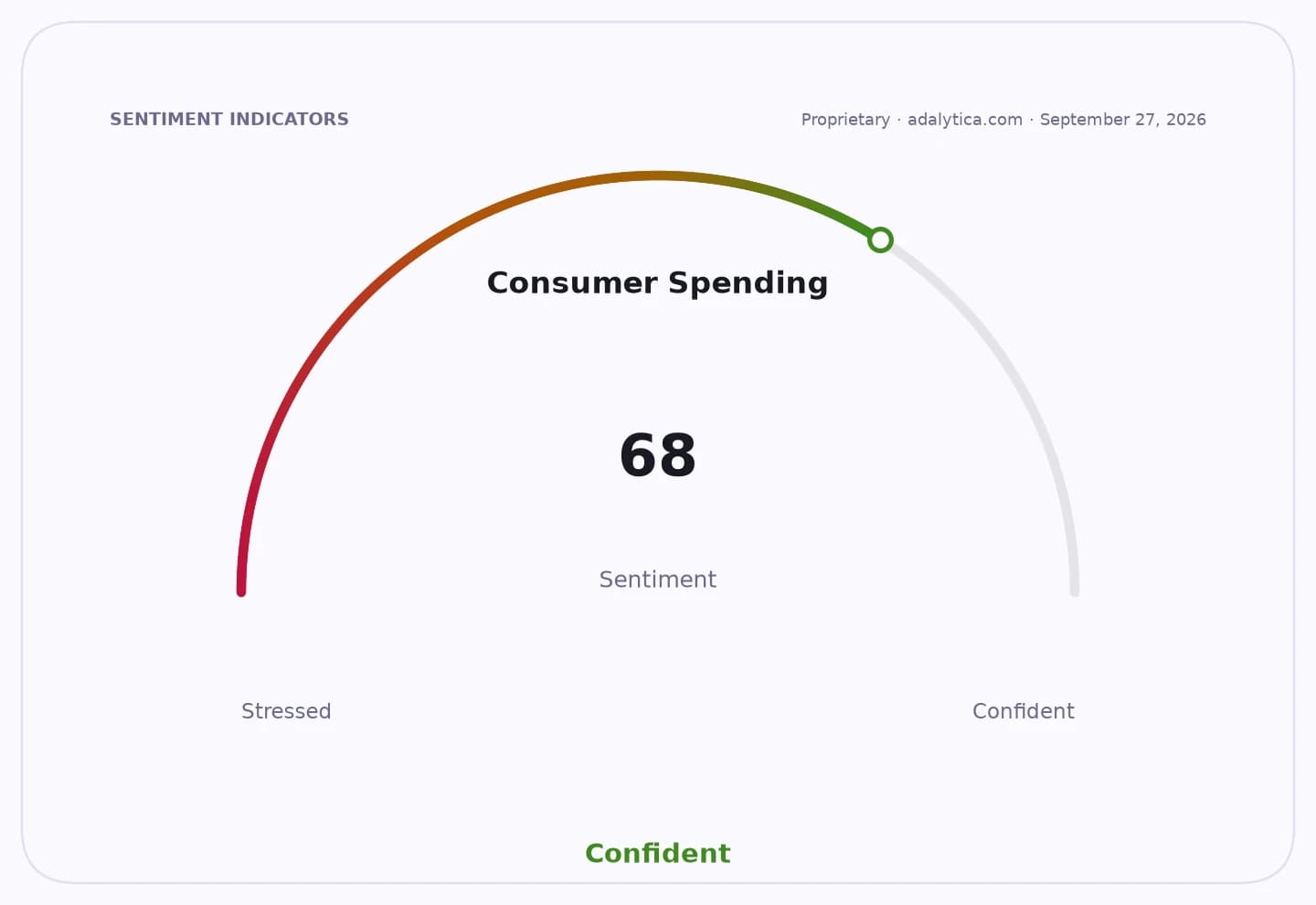
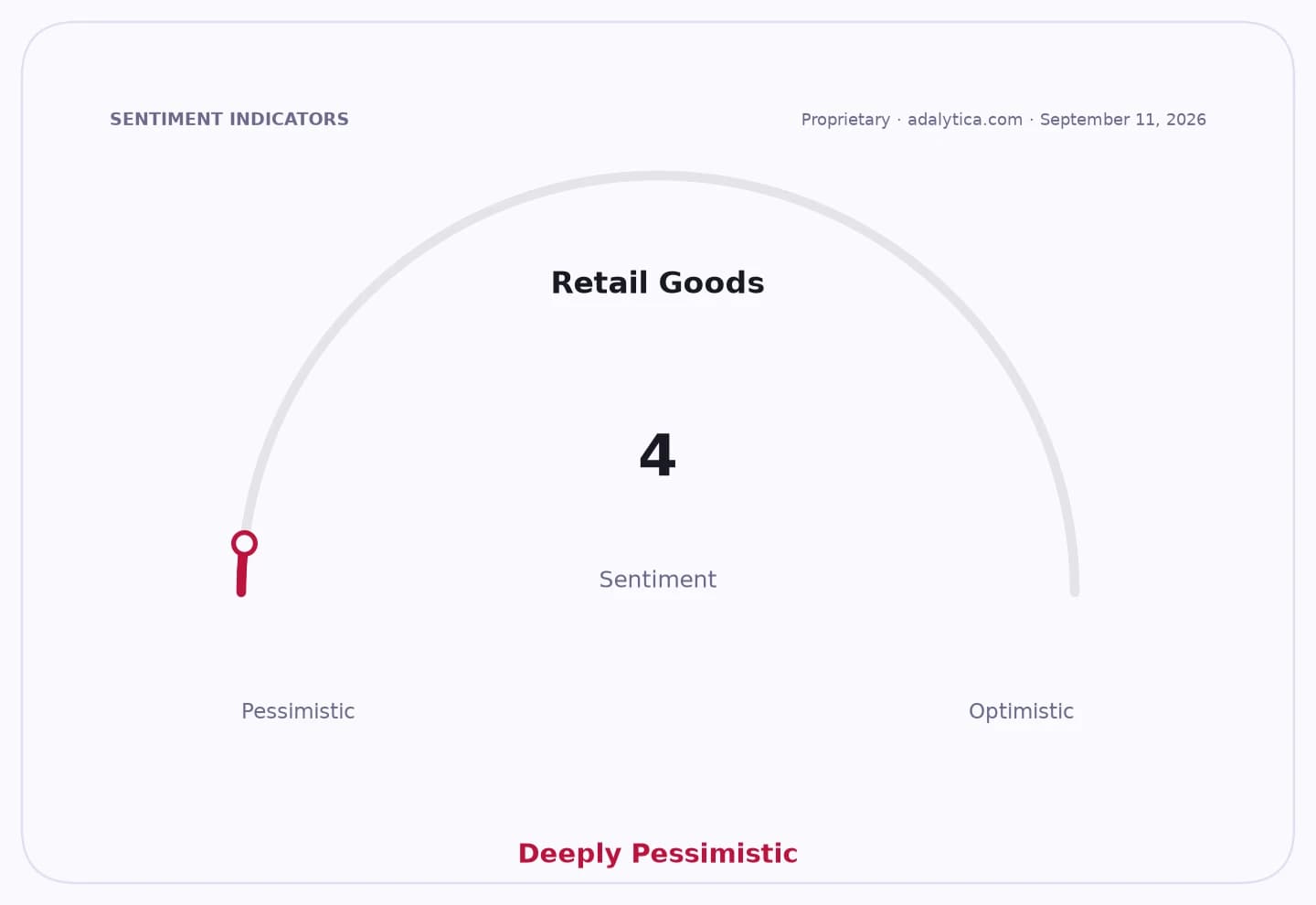
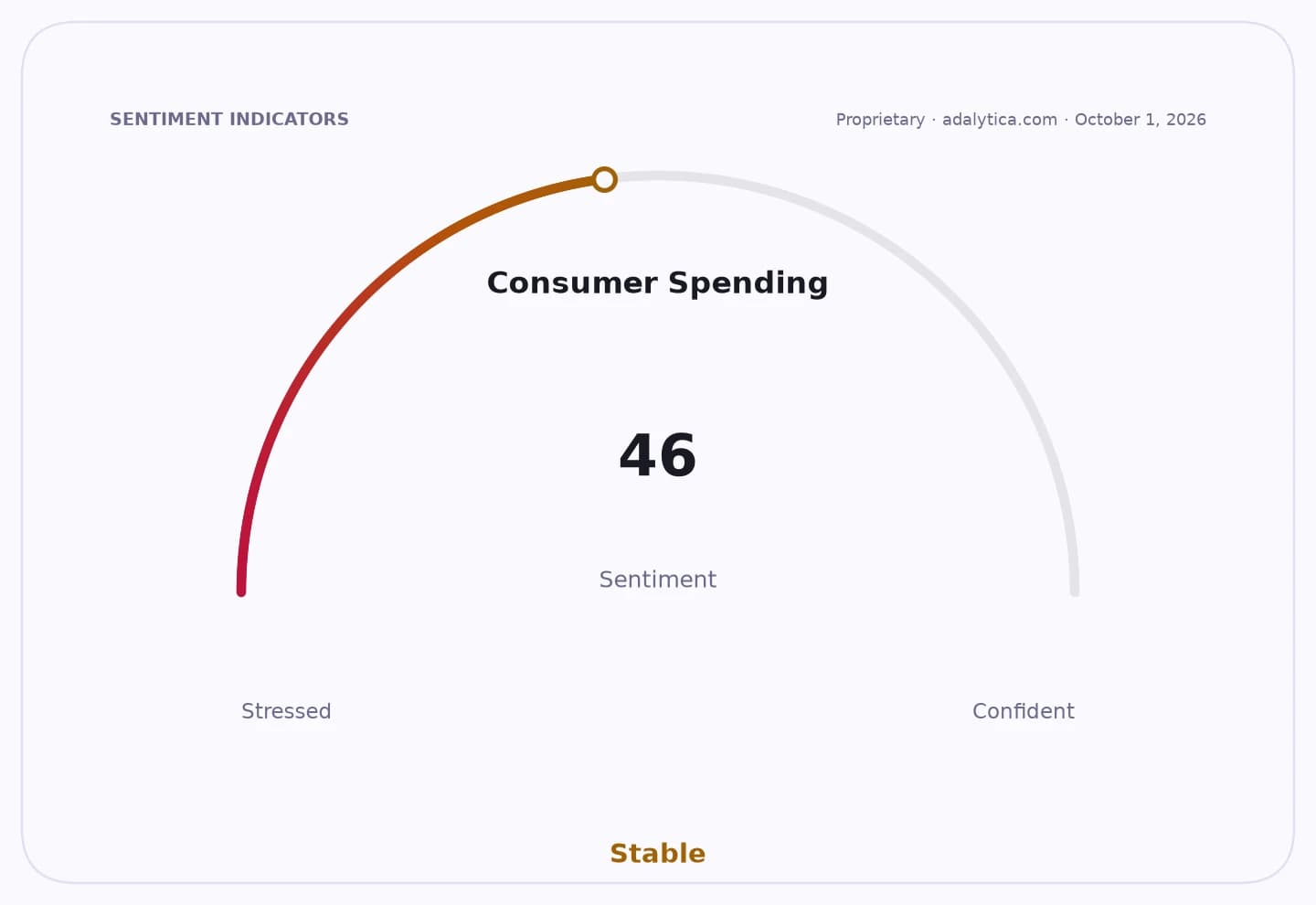
There is a broader consumer signal here as well. Adalytica’s consumer spending sentiment remains elevated, but retail goods spending sentiment has fallen sharply into fear territory, underscoring a shopper who is willing to spend selectively when savings are obvious. FSA eligibility gives Amazon a clean way to tap that behavior: the customer feels like they are arbitraging the tax code, while Amazon captures the sale and the customer relationship.
The bull case is that this is a clever, low-friction way to expand basket size and accelerate early Prime Day demand across health and wellness. The bear case is that the promotion mainly recycles spending already earmarked for medical necessities, leaving little incremental revenue once the discount window closes. Either way, the message is clear: Amazon’s fall sale is not just about deals — it is about making healthcare and self-care part of the Prime commerce machine.
| Entity | Gains | Losses |
|---|---|---|
| Amazon | ▲Higher traffic and basket size | ▼Margins on discounted items |
| Prime members | ▲Pre-tax savings and discounts | ▼Non-members excluded |
| FSA/HSA sellers | ▲More conversions in health and beauty | ▼Pharmacies and rivals |
| Consumers with tight budgets | ▲Lower out-of-pocket costs | ▼Shoppers without eligible accounts |